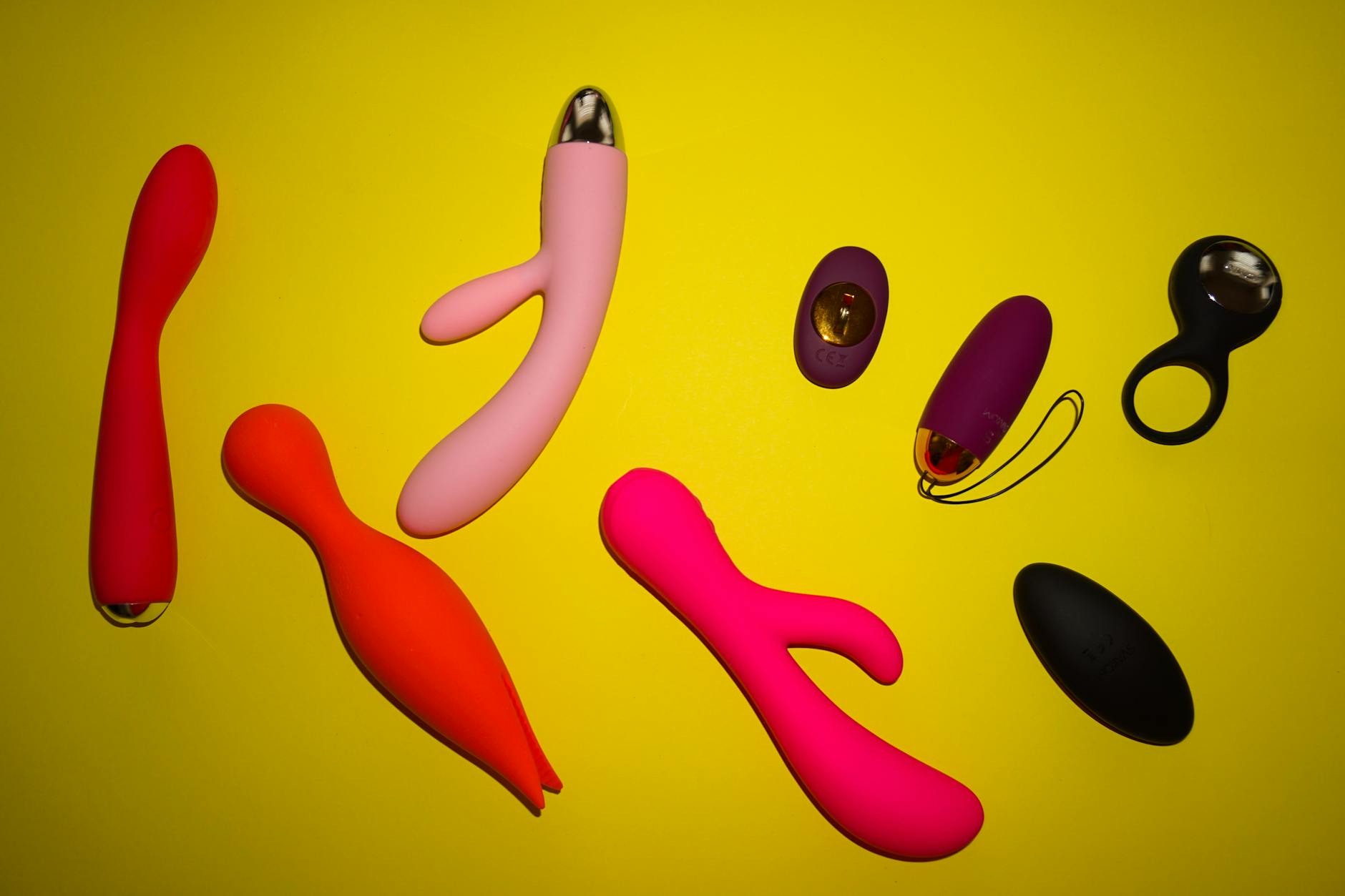
How Lemon Vibrators Change Sensation During Perimenopause
Your clitoral vibrator doesn't stop working in perimenopause. Your body's response to it shifts. Here's what's actually happening and why lemon suction feels so different.
Perimenopause rewires how your body responds to touch. Not in a dramatic, catastrophic way. In a quiet, "wait, why does my favorite vibrator feel weird now" way. You're not broken. Your clitoral sensitivity is genuinely shifting, and if you're using a lemon vibrator or any clitoral toy, you're going to notice it.
Perimenopause typically begins in your 40s (sometimes late 30s), and it's a slow hormonal slide, not a cliff. Estrogen and progesterone fluctuate wildly. One week your hormones spike, the next they tank. This isn't stable. Your nervous system is living in chaos for 5 to 10 years.
This affects clitoral sensation in three concrete ways.
First, tissue thickness changes. The vulva contains estrogen receptors. As estrogen bounces around unpredictably, the skin around your clitoris thins slightly. This makes direct vibration feel sharper, sometimes almost uncomfortable where it used to feel perfect.
Second, arousal response slows. Your body takes longer to build heat. Blood flow to the clitoris takes more time to activate. That fast ramp-up you relied on for a decade now takes 10 extra minutes.
Third, nerve sensitivity fluctuates. Some days your clitoris feels almost numb. Other days it's hypersensitive, and the vibration that felt amazing last week now feels like too much. This is the hormonal lottery, and it changes week to week.
Traditional vibrators work through friction and mechanical buzz. During perimenopause, especially on days when your tissues are thinner, that friction can feel irritating rather than pleasurable.
Lemon vibrators use air-suction technology. Instead of buzzing against your skin, they create a gentle rhythmic suction. This stimulates the deeper nerve clusters around the clitoris without the direct mechanical pressure.
Here's why that matters in perimenopause: you get intense clitoral stimulation without the friction burn risk. Suction works for both the days when you're numb (it pulls sensation forward) and the days when you're hypersensitive (the suction is diffuse and rhythmic, not sharp).
My clients in perimenopause almost universally report that lemon clitoral vibrators feel more comfortable than the traditional toys they've used for years. And they often reach orgasm faster because the sensation is hitting the right nerve targets without fighting tissue changes.
Most people grab their lemon vibrator and go straight to their normal intensity level. That's the mistake.
During perimenopause, start 2 to 3 levels lower than you usually would. Your nervous system's sensitivity threshold has shifted. What was "medium" is now "intense." What was "light" might be exactly right.
The beautiful part: as you warm up and blood flow increases to your clitoris, you can always turn up the intensity. You have control. You're not locked into one setting for the whole experience.
Some of my clients find that they actually prefer a slower, gentler rhythm during perimenopause. Not because they can't handle intensity, but because the slow build feels more satisfying than the old fast-tempo approach. Your nervous system might be telling you something about what it actually wants now.
Perimenopause introduces an invisible clock into your sexuality. Your hormonal fluctuations are real and they're cyclical (even though they're irregular compared to your period cycle).
If you're tracking your cycle, you might notice that days when you're higher in estrogen feel different from days when you're lower. On high estrogen days, your clitoris might feel more responsive and less sensitive. On low estrogen days, the opposite.
This isn't random. Pay attention for a month or two. Most people find a pattern. Then you can time solo sex or partnered play when your body feels most available.
You probably remember a time when you could go from zero to orgasm in five minutes flat. That's not your future right now. Perimenopause adds about 10 to 20 minutes to your average warm-up time.
This is actually an invitation, not a punishment. Those extra minutes of foreplay (whether that's alone or with a partner) allow blood to flow to your clitoris slowly and steadily. When you finally use your lemon vibrator, it lands on tissue that's actually ready.
If you're having sex with a partner, the expanded foreplay is a gift. It deepens connection. It also means fewer frustrating moments of "why isn't this working today." It's working. It just takes a beat.
If you're experiencing pain with any clitoral stimulation, that's not just perimenopause. Genitourinary syndrome (which can start in perimenopause, not just postmenopause) is treatable, usually with topical estrogen creams or vaginal moisturizers.
If you're completely desensitized and it's not getting better week to week, a gynecologist can check your estrogen levels and discuss whether hormone support might help. You don't have to white-knuckle your way through perimenopause.
Here's what I see in my clients the most: they expect perimenopause to rob them of pleasure. It doesn't. It redistributes it.
Your body isn't broken. It's transitioning. And if you approach it with curiosity instead of frustration, you often find that your sexuality actually deepens. The orgasms that come after a slower build feel different. Sometimes more intense. Sometimes more diffuse. Definitely more interesting than the autopilot version you got used to.
Give yourself permission to not know what your body wants right now. Try different intensities, different timing, different foreplay approaches. Use your lemon vibrator as a research tool, not a performance tool.
Perimenopause is the moment when you get to renegotiate pleasure on your own terms.
Not exactly. Your tissue sensitivity and arousal speed have shifted, so the same intensity might feel too strong or too weak on any given day. But the suction technology is still excellent for perimenopause bodies because it avoids the friction issues that show up when tissue thins. You'll likely find that you need to adjust the intensity downward and allow more warm-up time, but the fundamental sensation is often more comfortable than traditional vibrators.
Yes, temporarily. High estrogen days usually mean better tissue thickness and faster arousal. Low estrogen days might mean you need more warm-up time and lower intensity. This isn't permanent. Your response will keep shifting week to week. Tracking your cycle helps you notice the patterns. Some people find certain days are just "off days" and they skip solo sex, which is totally fine.
Not necessarily. The Lem (the original lemon suction vibrator) works for most people across all hormone phases because suction is gentler than vibration on thinning tissue. But you might want to experiment with a smaller toy if your clitoris feels more tender. Many of my clients actually prefer to stick with what they know and just adjust the settings and warm-up time.
Depends on the day and your hormone levels. Some days you're at 5 to 10 minutes. Other days it's 15 to 20. That's normal. The worst thing you can do is clock-watch and create pressure. Set aside time, relax, let your body warm up slowly, and see what happens. Rushing makes everything harder.
No. Numbness during perimenopause usually fluctuates with your hormones. High estrogen days bring more sensation back. If it persists for more than a few weeks consistently, check in with a gynecologist. But in most cases, it's cyclical and temporary.
Yes. Even if you never needed it before, your clitoris and vulva are less naturally lubricated during perimenopause (especially on low-estrogen days). Water-based lube helps enormously. It reduces friction, allows the lemon vibrator to glide smoothly, and often improves sensation because your tissue isn't being irritated.