How Lemon Vibrators Compare to Traditional Vibrators for Couples
Lemon sexual toys use suction, not vibration. Here's why couples find them less awkward to introduce, easier to use together, and genuinely more pleasurable than traditional adult toys.
Introducing any kind of toy into partnered sex is weirdly loaded. There's vulnerability in it, and often shame. And then there's the practical problem: most traditional vibrators are awkward to use together. They buzz loudly, they feel clinical, they interrupt the rhythm of actual physical connection. A lot of couples try one, it doesn't land, and they shelve the idea forever.
Lemon vibrators work differently. They're designed for couples, not around couples. And that changes almost everything about how the conversation goes and what actually happens when you use one.
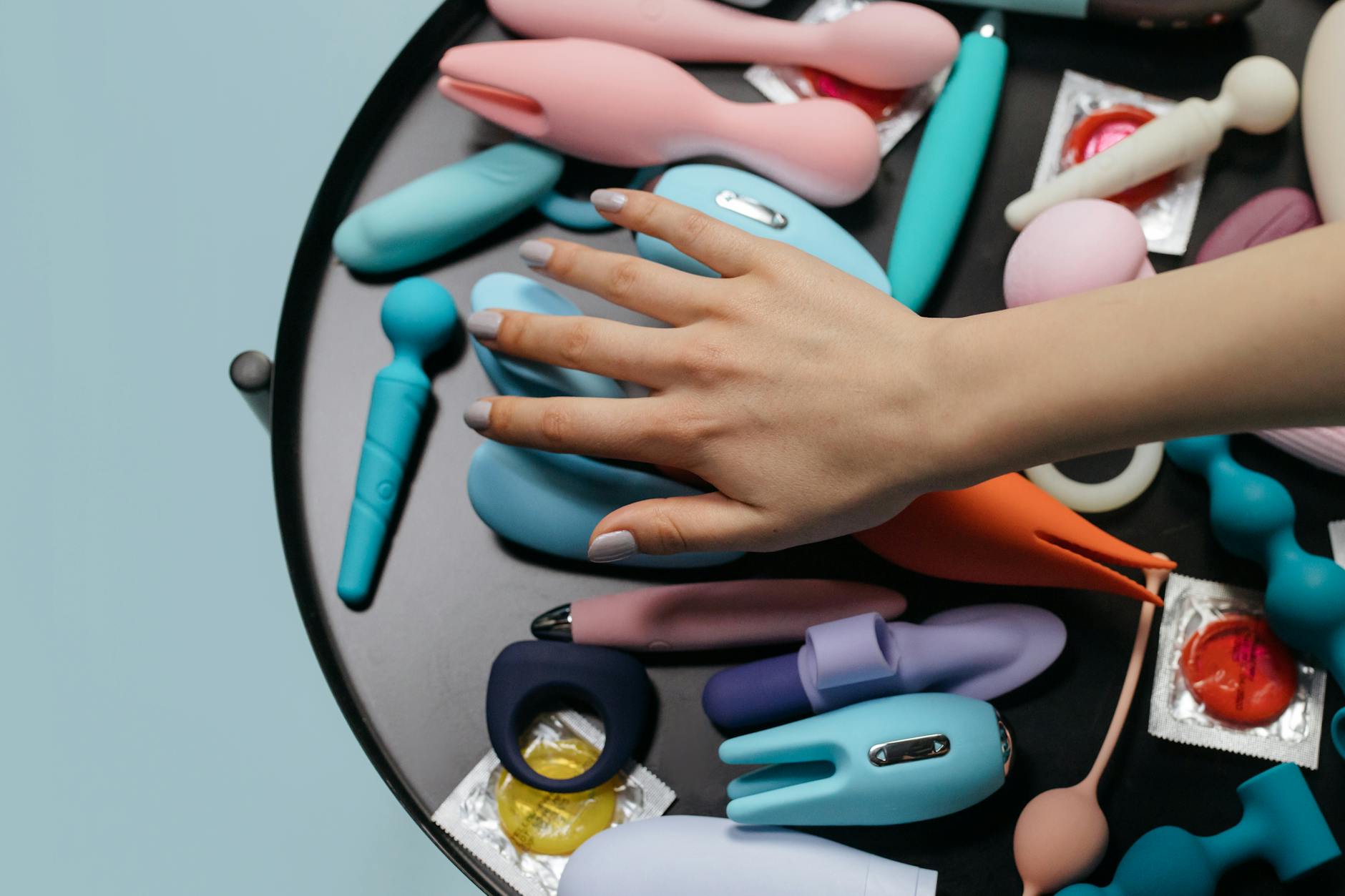
Most traditional vibrators use rotary or oscillating motors. They vibrate, full stop. Fast, predictable, sometimes numb-making if you use them wrong. They're also designed for solo use, which is why partnered play feels tacked-on.
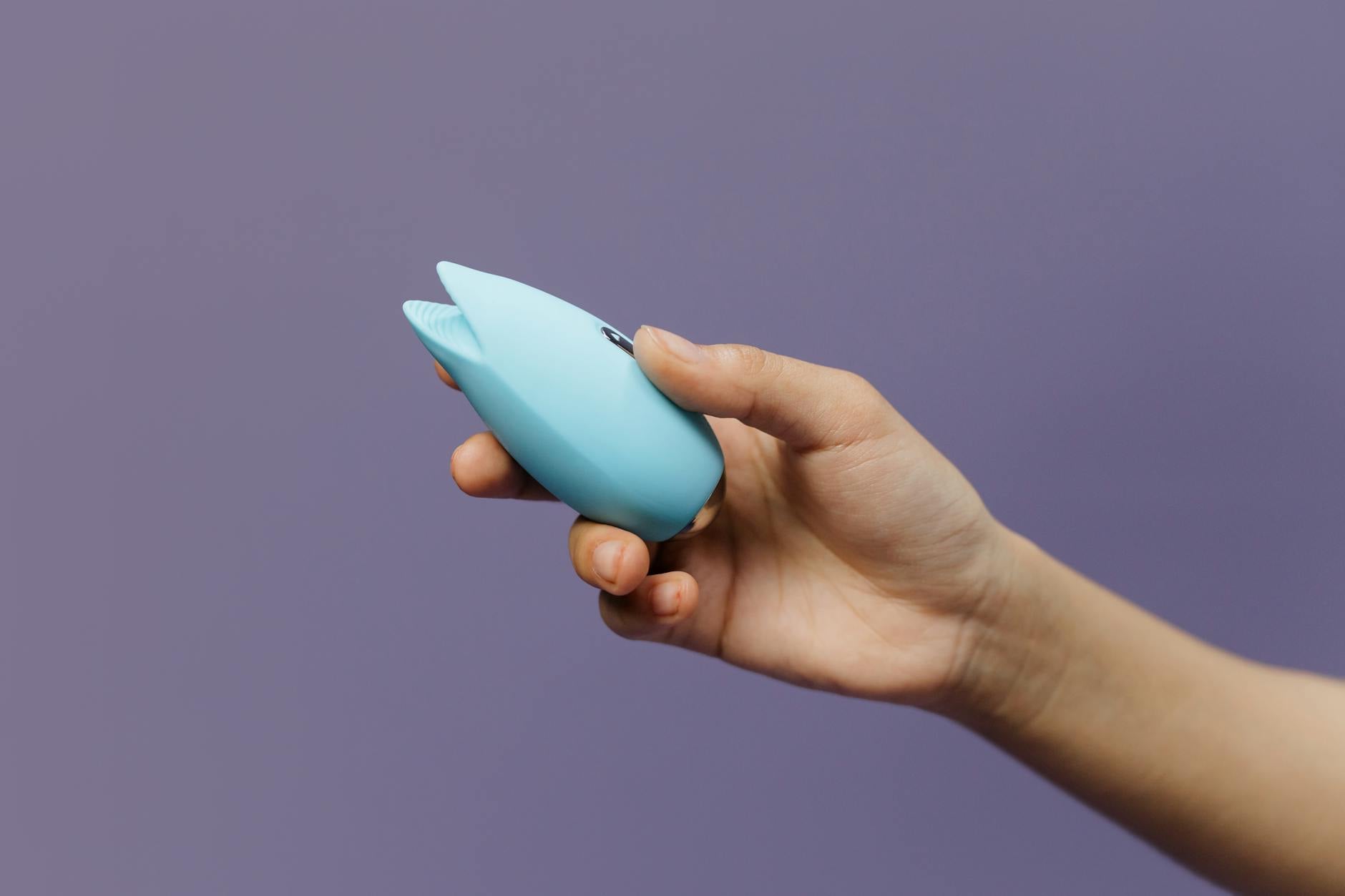
Lemon clitoral vibrators use suction and pulsation instead. Think of it less like a vibrator and more like gentle, rhythmic sensation that mimics oral sex. The mechanism is completely different. The experience is completely different.
Here's what that difference actually means when you're with a partner.
The naming alone helps. "Lemon vibrator" or "lemon sucker" sounds playful, not medical. Your brain doesn't immediately jump to "sex toy controversy."
But the real reason couples have easier conversations about lemon sexual toys is the framing. When you say "I want to use a vibrator," the subtext a partner often hears is "you're not enough." Defensiveness shows up. Insecurity shows up.
When you say "I found this thing that feels really different and I want to try it together," it's collaborative. You're not replacing anything. You're adding a third rhythm to a conversation that was already happening. A lemon vibrator genuinely changes how partners hear the request.
I've worked with couples who couldn't get past the word "vibrator" but got excited about a lem vibrator once they understood the mechanism. The object is the same, but the story you tell about it matters.
Most standard vibrators are designed for clitoral stimulation during solo play. When you're with a partner, you have three bodies (yours, theirs, the toy) trying to occupy the same space. The toy is buzzing. It's loud. It's hard to sync it with penetration or with the person's rhythm. It feels like you're managing three separate things instead of moving together.
Lemon adult toys are smaller and quieter. They don't require the same kind of spatial arrangement. You can hold one against your clitoris while your partner is inside you without it feeling like you're running a mechanical operation. The sensation complements what's happening, rather than competing with it.
That's not a small thing. Sex with a partner is inherently about shared rhythm and attention. Anything that breaks that rhythm breaks the experience.
Traditional vibrators deliver stimulation through rapid back-and-forth or spinning motion. After about five minutes, your nerves adapt to that sensation. You need to keep increasing the intensity, chasing a feeling that's flattening. That's not fun when you're with someone else. It's not sexy to keep stopping the sex to fiddle with intensity settings.
Suction-based lemon clitoral vibrators work with your body's own arousal response instead of against it. The sensation doesn't plateau the same way. You're not adapting to the toy. You're building on the stimulation. That means couples can stay in a flow state together instead of getting stuck managing the mechanics.
Also, lemon vibrators are less likely to cause numbness or desensitization with regular use. That matters for couples because you want the experience to feel good both during that moment and in the week after. Numbing sensation isn't exactly a turn-on the next time you're intimate.
The mechanics are straightforward, but there's a rhythm to it.
Start with external clitoral stimulation while you're kissing or touching each other but before penetration. Use the lower intensity settings first. The Lem vibrator, for example, has patterns that feel more like pulsing than buzzing. Let your body warm up with it.
Then, when you're ready for penetration, you can hold it against your clitoris while your partner enters you. The toy stays in place. There's no fidgeting. Your partner can feel the difference in your responses and adjust their rhythm to match. It's collaborative.
What makes this different from traditional vibrators is that you're not asking your partner to work around the toy. The toy is supporting what's already happening, not dominating the space.
Some couples also use a lemon vibrator for extended foreplay. The lack of vibration-induced numbness means you can use it longer without fatigue, which means more sustained pleasure before intercourse. That's genuinely different from what traditional vibrators offer.
If you've got any kind of genital sensitivity or pain, lemon sexual toys are gentler. Traditional vibrators can feel intense or even painful on sensitive tissue. Suction-based stimulation is quieter, less mechanical, and more controllable.
If you're trying to have partnered sex without breaking connection and attention, lemon adult toys work faster. You don't need as long a build-up, and the sensation doesn't go numb, so the experience stays present.
If you're both new to toys in partnered play, a lemon clitoral vibrator feels less clinical and more sensual. It's easier to introduce without triggering insecurity or defensiveness. And honestly, it's easier to use. You're not managing settings while someone's trying to be intimate with you.
If penetration alone isn't enough for your partner to orgasm, a lemon vibrator fills that gap without either of you feeling like anything's missing. It's additive, not corrective.
Lower noise level. This matters if you're not living alone, if you're self-conscious about sound, or if you just don't want sex to feel like operating a power tool.
Faster cleanup. Lemon vibrators are simpler. No complex motors. No tiny vibration-eroding seals. Easier to maintain and less likely to fail mid-experience.
Smaller and less visible. If storage or discretion matters, a lemon vibrator takes up less space and looks less alarming if someone sees it.
Quieter charging or battery life. Many lemon sexual toys use rechargeable batteries with longer play time. You're not swapping AA batteries or dealing with the whine of a fast-charging cycle.
Less intimidating to hold or touch while someone's looking. I'm serious about this. Partners report feeling more comfortable with a lemon clitoral vibrator in their hand during sex because it doesn't feel as aggressively technological as a traditional vibrator.
Instead of "I want to try a vibrator," try something like: "I read about these lemon vibrators. They're supposed to feel more like sensation than buzzing, and they're quieter. I want to try one together. No pressure, just curious."
Then show them what you're talking about. Not a sales video. Just hands-on. "This is how it works. This is why I think it might feel good. I think it might actually make the experience better for both of us."
That framing removes a huge amount of defensive energy. You're not asking them to accept a replacement. You're asking them to try something that serves the partnership.
Almost every couple I work with who's hesitant about toys gets way less hesitant once they understand the actual mechanism. A lemon sucker doesn't feel like competition. It feels like something you're both trying together.
Can my partner use a lemon vibrator on me, or is it just for solo use?
Partners can absolutely use it on you, and that's actually one of the main reasons to choose one over a traditional vibrator. It's smaller, quieter, and easier for someone else to hold and control. You can guide the intensity and placement in real time. A lot of couples find this becomes a form of foreplay they both love.
Will using a lemon vibrator mean I can't orgasm without it?
No. That's a common worry, but it's not how bodies work. Lemon clitoral vibrators don't desensitize you the way some traditional vibrators do because the sensation mechanism is different. Most people find their responsiveness actually improves with regular use, not worse.
Is it weird if my partner finishes before I do and then uses a lemon vibrator on me?
Not at all. This is actually one of the best use cases. Your partner gets to stay present and connected while you build toward your own orgasm. You're not left alone. They're engaged. That's genuinely more intimate than most alternatives.
How long do lemon vibrators actually last during sex?
Most lem vibrators have battery life of 60 to 90 minutes on a full charge. That's plenty for most partnered sessions. Even if it dies mid-experience, you can just keep going without it. No big deal.
Will a lemon vibrator feel good immediately, or is there a learning curve?
Most people feel a difference within 30 seconds of turning it on. It's not something you need to get used to. The sensation is pretty intuitive. You might spend a few sessions figuring out which intensity patterns and placements feel best, but that's true of any toy.
What if my partner is jealous or insecure about using a lemon vibrator together?
That usually means the conversation happened too fast or didn't address what they were actually worried about. Go back to basics. Ask them what they're concerned about. Listen without defending. Then reframe it together. "This isn't about you not being enough. This is about us experimenting together." A lot of insecurity dissolves when you slow down and actually talk.
Lemon vibrators work better for couples because they're designed with the partnership in mind, not tacked onto a solo device. They're quieter, less clinical, less likely to cause numbness, and way easier to introduce without triggering defensiveness.
If you've tried traditional vibrators and felt awkward, or if you've wanted to try something with a partner but didn't know how to ask, a lemon vibrator genuinely changes the conversation. You're not introducing a replacement. You're inviting something collaborative into an experience you're already sharing.
The best toy for couples is the one you both actually want to use. A lemon clitoral vibrator tends to be that toy a lot more often than a traditional vibrator ever is.
Ready to explore this with your partner? Start with the conversation, not the toy. And if you want more guidance on how to navigate pleasure conversations as a couple, I'm here to help. Reach out anytime.