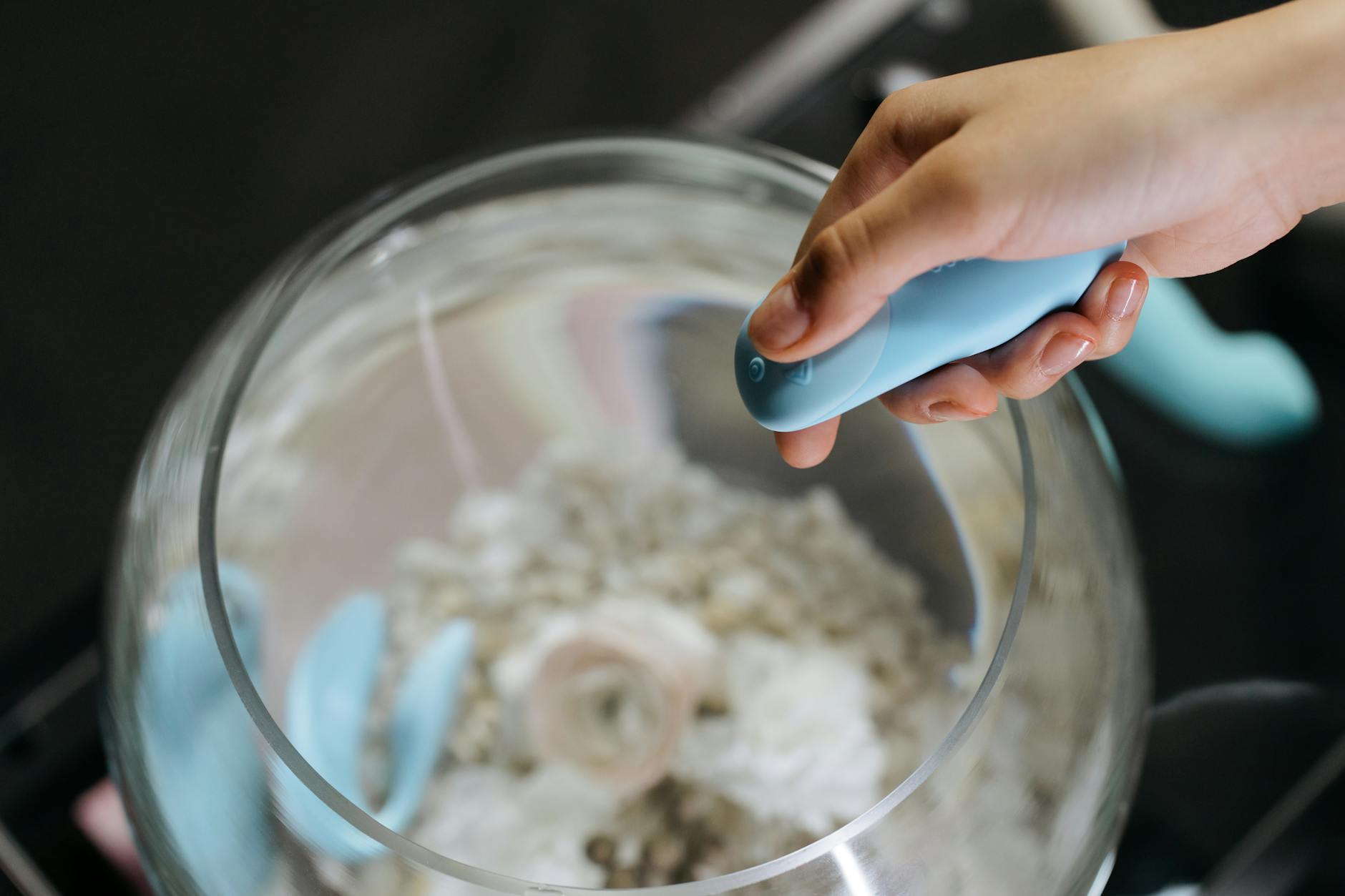
How Lemon Vibrators Help When You're Adjusting to New Medications
Antidepressants, blood pressure meds, hormonal treatments. They save your life. But they can flatten sensation, delay arousal, or shift what feels good. Here's how lemon clitoral vibrators meet your body where it actually is right now.
Let's be real. Your doctor didn't mention what SSRIs, beta-blockers, or hormonal birth control might do to your sex life. And honestly, that's a gap in care that deserves attention. Medication side effects on sexual function aren't rare or shameful. They're one of the most common reasons people stop taking drugs that otherwise help them. That trade-off shouldn't have to happen.
When you're adjusting to a new medication, your body isn't broken. It's adapting. And during that adjustment phase, what worked before might not work the same way anymore.
Here's the medical reality. SSRIs (like sertraline or fluoxetine) delay orgasm in about 40-50% of people who take them. Blood pressure meds reduce genital blood flow, which slows arousal. Antihistamines dry out mucous membranes, including vaginal tissue. Some hormonal birth control methods suppress testosterone, which plays a major role in desire for everyone with ovaries.
The change isn't always the same. For some people, sensation dulls slightly. For others, it takes longer to reach arousal or orgasm, but the orgasm itself feels normal once they get there. Some people notice their clitoris feels less responsive to direct touch. Others find that the angle or intensity of stimulation that used to work now feels uncomfortable or produces no sensation at all.
The common denominator: you need more support from your tools, more time in your body, and sometimes a completely different approach to pleasure than you used before.
Most traditional vibrators rely on penetrative patterns or sustained high-frequency buzzing. Both of those can feel overwhelming if your system is already processing a medication adjustment. Lemon vibrators, which use gentle air-pulse suction technology, work differently.
They don't vibrate at a single frequency. They pulse, creating a rhythmic stimulation pattern that builds sensation gradually. This is helpful when medication has muted your baseline responsiveness because the pattern gives your nervous system something to track. Instead of hoping for instant sensation from continuous vibration, you're getting a wave of stimulation that your brain can register even if your genital tissue is less sensitive than usual.
The suction mechanism also means you're not relying on direct friction. If your clitoris feels tender, overstimulated, or weirdly numb all at once, the gentler suction approach gives you a way to explore sensation without aggressive pressure.
Most medications take 2-4 weeks for your body to fully adapt. During that time, your sexual response is a moving target. What feels totally absent one day might reappear partially the next. Your body is literally rewiring how it processes signals.
For the first two weeks, go slower than you think you need to. If you're using a lemon clitoral vibrator, start on patterns 1 or 2 instead of jumping to your old go-to setting. Give yourself 20-30 minutes instead of 10. This isn't because you're broken. It's because your nervous system is processing both the medication change and the stimulation. More time allows both to integrate.
By week three or four, you'll have a clearer picture of what your new normal actually feels like. Some people find their sensation fully returns. Others find it plateaus at 80-85% of what it was before. Neither is permanent. Many people experience a full return to baseline pleasure within 6-8 weeks, especially as the medication side effects themselves stabilize.
Three things that help almost everyone I work with during medication transitions.
Start with external stimulation only. If you're used to combined clitoral and internal stimulation, narrow your focus temporarily. Your clitoris is usually more straightforward to re-sensitize than internal structures. Once you feel confident with external pleasure again, you can add layers back.
Use lube generously. Medications can reduce natural lubrication independently of arousal. Water-based lube isn't a sign of failure. It's a tool that reduces friction and makes sensation easier to register. More lube means less effortful stimulation, which matters when your body is already working hard to adapt.
Track patterns, not just outcomes. Instead of "did I orgasm," notice "pattern 3 felt sharper than pattern 2" or "I needed 25 minutes instead of 15 today." This kind of observation helps you map your actual response instead of chasing your old baseline. Your body's feedback is data, not judgment.
Some medications don't just change sensation. They flatten desire entirely. If you're on an SSRI and genuinely don't feel interested in pleasure, that's a real side effect that deserves a conversation with your doctor. There are options: dose adjustment, timing changes (taking your medication at night instead of morning sometimes helps), or switching to an alternative that has a lower sexual side effect profile.
But while you're exploring those conversations, lemon vibrators still help. They can work as a bridge: a tool that creates sensation even when desire feels absent. Sometimes accessing physical pleasure reignites the mental interest. Other times it just reminds you that your body is still yours, which matters during a medication adjustment that can feel alienating.
Here's what nobody tells you. When medication changes your sex life temporarily, it can feel like a betrayal by your own body. You started taking this drug because you needed it. And now it's also taking something from you. That's grief. It's real. And it's worth acknowledging.
For people in partnerships, this is especially loaded. You might worry your partner will feel rejected if you need less sex, or different sex, or slower sex for a few weeks. That conversation is separate from the physical tools you use. You need both: a way to access pleasure that works with your changing body, and honest communication with your partner about what you're actually experiencing.
I often recommend telling your partner: "My medication is still adjusting. During this transition, I need more time and a gentler approach. This isn't about you. It's about my system recalibrating." Most partners respond better to specificity than vagueness. "I need 30 minutes and I want to focus on external stimulation right now" is actionable. "I don't know what I want" leaves everyone stuck.
If a full eight weeks have passed and sensation still hasn't returned, or if your desire remains completely flat, talk to your prescriber. Sexual dysfunction from medication is a legitimate side effect, not something to tolerate silently. Options include dose adjustment, switching medications, or adding something like bupropion (which can counteract SSRI side effects on sexuality).
If you're experiencing pain during stimulation or sex, that's also a sign to check in with a gynecologist. Medication can sometimes trigger or worsen conditions like vulvodynia or vaginismus, which are treatable but need professional input.
This is temporary. Your body is adapting. Lemon vibrators, with their gentle air-pulse technology and flexible patterns, give you a way to explore pleasure that doesn't require the same baseline sensitivity you had before. You're not broken. You're in transition. And your pleasure matters enough to support you through it.