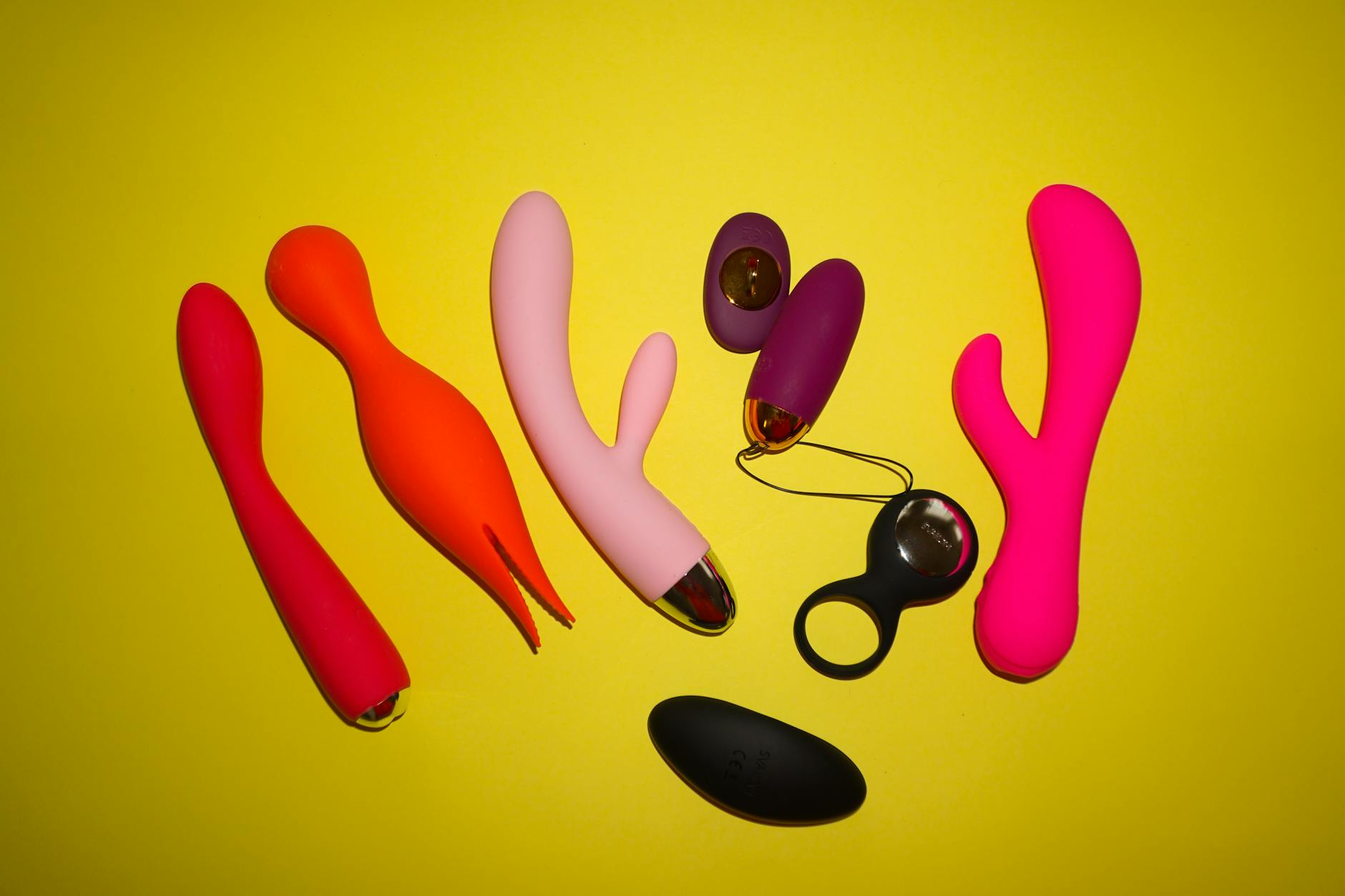
How Lemon Vibrators Help When You're Starting Fresh With a New Partner
That moment when you want to introduce a toy but worry it'll feel awkward? A clitoral vibrator actually makes the conversation easier, not harder. Here's why.
You've met someone. Things are heating up. And somewhere between the third and fifth date, you think: "I actually want to introduce them to toys." Then immediately your brain goes quiet because you're not sure how to say it without sounding like you're asking them to do something weird, or worse, like they're somehow not enough.
Here's what I've seen in my practice for twenty years: the couples who communicate about pleasure openly, early, and without shame build better sex lives and stronger relationships. Full stop. And the tool that makes this conversation easiest? A lemon clitoral vibrator.
When you introduce a toy to a new partner, you're introducing three things at once: yourself (with new needs), the toy itself, and an implied statement about what kind of relationship you're building. That's a lot. Most people feel it intuitively and freeze.
Here's what lemon vibrators do differently. They're designed around clitoral stimulation, which means the focus is on your pleasure, not on replacing your partner or adding penetration (which feels threatening to some people early on). A lemon clitoral vibrator says: "This is about me experiencing more, and I'd like you to be part of that." That's collaborative. That's intimate in a way that feels connecting, not like you're outsourcing.
The other thing? They look intentional. They're not trying to hide or mimic anything. They're not big or intimidating. They're beautiful objects. That matters more than you'd think psychologically. A toy that looks like it belongs in your bedroom, not hidden in a drawer, signals confidence.
Three weeks in is not the moment. Three months in? That's when most people feel safe enough to be vulnerable about pleasure. You want to be past the stage where they're still performing their best self, but early enough that you're both still in the honeymoon curiosity phase.
The opener matters. Not "I need this" (which feels like a complaint) and not "Would you be okay if" (which puts them in the gate-keeper role). Try: "I've been thinking about what I actually like in bed, and I want to explore that more. I'd love if you were curious about it with me."
That's a three-part sentence that does work: it takes ownership (I've been thinking), it frames pleasure as something worth exploring (not a problem to fix), and it explicitly invites them to be a participant, not a bystander.
When you show them a clitoral vibrator like the Lem, you're wordlessly communicating several things. You're saying: "I take my pleasure seriously enough to invest in it." You're saying: "I know what I like." Most importantly, you're saying: "I trust you enough to be honest."
Most new partners (especially if they're emotionally mature) respond to that trust with curiosity, not defensiveness. Yes, some people will have insecurities about it. That's actually useful information early on. Someone who can't handle the fact that you want to explore your body is someone you're learning something important about in month three, not month three years in.
The Lem and similar lemon clitoral vibrators also work as conversation starters because they're not passive. You're not asking them to leave the room or feel excluded. You can involve them: "I'd love to show you what this feels like" or "I'm curious what you think about this" or even just "I like this on setting three." It becomes data you're sharing, not a secret.
First time using it with a new partner, don't make it the main event. Use it during foreplay, the same way you'd use your hands. It's an extension of what's already happening, not a replacement.
Second thing: communicate in real time. "That feels good" or "I like it lighter" or "That's too intense right now" is information they can actually use. Some partners will want to hold it, some will want to touch you while you use it, some will want to focus on kissing or other stimulation. All of that is normal. The point is you're both paying attention to the same thing.
Third: lemon vibrators are quiet enough that you're not having to shout over them or feel like you're disrupting the mood. They work well with any kind of partner dynamic. Solo, partnered, same room or different room during sex. That flexibility means the toy adapts to how you two move, not the other way around.
Sometimes they'll arrive with their own ideas about what you should want. "Why would you need that if you have me?" is the most common version. Here's how I frame it: "Vibrators don't do what hands do. They feel different, and different is good. I can want both."
If they're still stuck on it, reframe: "You probably enjoy your hand in the shower, right? That doesn't mean you don't want to be touched by me. Same thing." That usually lands. It's not an attack on their skill or desirability. It's just... a different sensation.
Some partners will actually get into it, and you'll find out they were curious about sex toys all along and felt awkward bringing it up first. Those conversations are gold. They usually signal that you've both got a foundation of honesty to build on.
Here's what introducing a lemon vibrator actually does for a new relationship: it tests whether you can talk about sex without it becoming a minefield. If you can say "I want to try this" and they can hear it without defensiveness, that's a good sign for everything else. Finances, family stuff, career changes, health scares. The couples who can be vulnerable about pleasure are usually the ones who can be vulnerable about other things.
I've worked with couples for years who never talked openly about sex until someone (usually the partner with the vagina) brought up a toy. It cracked something open. Suddenly they were asking each other questions. Suddenly sex wasn't just happening to them. They were building it together.
A lemon clitoral vibrator is so much more than a sex toy in that context. It's a gateway to the conversation you actually need to be having.
Completely normal. In fact, couples who explore pleasure together early tend to have better sex lives long-term. You're not weird or difficult. You're actually being proactive about your own satisfaction, which is exactly what healthy relationships need.
The opposite, actually. Someone who knows what they like and isn't shy about it reads as confident. The only people who might feel threatened are people with their own insecurities, which is useful information to have early.
You're ready when you've had at least a few conversations about what you both like in bed. If they can talk about their own preferences without getting weird, they can probably handle you introducing a toy. If everything is still performative and surface-level, give it a few more weeks.
Yes. In fact, using a vibrator together while you're still figuring things out can help you figure them out faster. You get real-time feedback about what feels good to both of you. That data is helpful.
Self-consciousness often disappears the second they touch you with it and you feel how good it is. But if it stays, that's valid. You can keep control (you hold it), or you can ask them to start with lights lower or while you're kissing. Small adjustments often help.
I usually recommend solo first. You want to know what you like before you're showing someone else. That confidence translates. Plus, you get to understand the settings and the sensation without an audience in your head.
You've brought it up. They didn't run. Great. Now you get to build something. The first time you use a lemon vibrator together won't be your last. You'll figure out what works, what rhythm feels good, how it fits into your dynamic. You'll probably discover things about yourself and your partner that surprise you both.
That's the real gift here. Not the toy itself, but the permission you're giving yourselves to be specific, honest, and creative about pleasure. In a new relationship, that's the foundation everything else builds on.