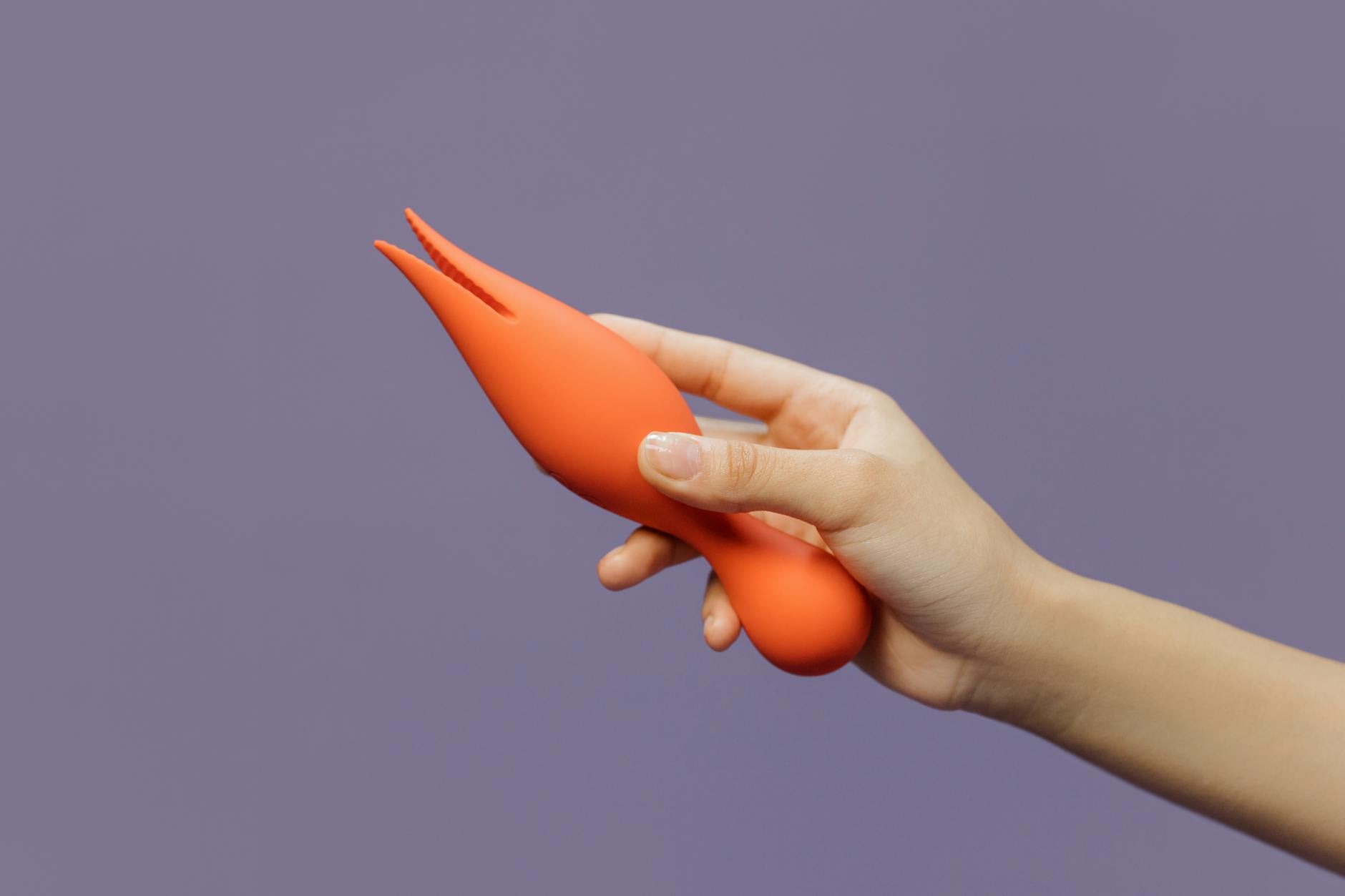
Something shifts around thirty-two or thirty-three. It's not dramatic. Nobody announces it. But if you've been paying attention to your body, you've probably noticed that pleasure doesn't feel quite the same as it did at twenty-five. That's not you being broken. That's your body doing exactly what it's supposed to do.
Your hormones aren't just about periods and fertility. They're the operating system for sensation, arousal timing, natural lubrication, and how responsive your nervous system is to touch. In your thirties, your estrogen production begins a slow, natural drift downward. It's not menopause. It's not a crisis. But it is real, and it changes how your body experiences pleasure.
The good news? Lemon clitoral vibrators were basically designed for this exact transition. Here's why, and what you need to know.
Most people think hormone changes only happen during perimenopause or after childbirth. That's half the story. Your estrogen begins a gentle decline starting in your late twenties. By your mid-thirties, that decline accelerates slightly. You're still cycling normally. You're still fertile. But your baseline estrogen is measurably lower than it was a decade ago.
What does that actually mean for sensation? A few things happen at the tissue level. Your vulva gets slightly less blood flow during arousal. Natural lubrication takes longer to build. The clitoral glans and labia minora become subtly thinner. Your arousal pattern flattens out a bit, which means the sharp spike of sensation you felt at twenty-three becomes more of a gradual climb.
None of this is permanent or dramatic. But all of it changes what kind of stimulation actually works. Direct pressure, which felt incredible before, might feel duller now. That's when clitoral vibrators like those from The Lemon Toys start making a real difference. Air-suction technology bypasses the need for sustained pressure and instead stimulates the thousands of nerve endings in your clitoral complex through rhythmic suction patterns. It's a completely different signal to your nervous system.
One thing I hear constantly from people in their thirties is this: "It takes longer to get there now, and I'm not sure why." This is rarely a sign of low desire. It's usually a sign that your arousal ramp is changing.
At twenty, your arousal might peak in five to ten minutes. By thirty-five, fifteen to twenty minutes is normal. This isn't worse. It's just different. And here's the thing: once you understand it's a physiological shift and not a personal failure, it becomes information you can actually use.
Lemon vibrators help here because air-suction stimulation produces faster neurological feedback than friction-based vibration. Your brain registers the pattern more clearly and more quickly, which can compress that arousal timeline back closer to what you remember. It's not magic. It's just that the technology matches what your body actually needs right now.
Orgasms don't disappear in your thirties. But they often change texture. Some people report them as shallower. Others say they feel more localized, less full-body. Some actually say they're more intense, just different in character.
Estrogen affects the pelvic floor's elasticity, the thickness of vaginal tissue, and the speed of blood flow through erectile tissues. When estrogen dips slightly, all three of these shift. Your pelvic floor might be tighter (which can make some sensations feel sharper and others feel blocked). Your vaginal tissue becomes slightly less cushioned. The erectile tissues respond more slowly.
This is where the lem vibrator becomes useful. Because it doesn't rely on friction or direct pressure, it works with your body's changing geometry rather than against it. The suction pattern stimulates from the outside in, which works better when your tissues are less engorged and blood flow builds more gradually.
If you've been on hormonal birth control since your late teens, your thirties is when the cumulative effect becomes noticeable. The longer you stay on the pill, patch, or ring, the more your body adapts to external hormone replacement. Some people feel fine. Others report that sensation has been slowly dampening over years without them fully realizing why.
When you hit your thirties, two things can happen. First, your body might become more sensitive to the dose you're on (many practitioners will adjust your prescription during this decade). Second, you might notice that coming off hormonal birth control produces a bigger rebound in sensation than you expected. Either way, your thirties is often the decade where people finally start asking real questions about what's working and what isn't.
Lemon sexual toys don't fix hormonal imbalances, but they do compensate for the sensation dampening that comes from years on birth control. If you've been on a combined pill since age nineteen, the clitoral sensitivity you had pre-pill is probably not coming back unchanged. But lemon clitoral vibrators can help you rediscover intensity by engaging nerve pathways that hormones affect differently.
Here's something that gets less attention: your stress hormones change in your thirties too. Cortisol, adrenaline, and prolactin all shift as your responsibilities expand, your career deepens, and life becomes more complex. Elevated stress hormones literally suppress arousal.
This is partly why some people feel like their drive disappeared in their thirties, even though their estrogen is still healthy. Chronic low-level stress is a powerful libido dampener. And unlike estrogen, you can't fix it with a prescription. You have to fix it by changing your life, which takes time.
What lemon vibrators offer here is arousal independence. If your body can't build arousal naturally because cortisol is running the show, an external tool can bridge that gap. The lem vibrator provides direct neurological input that doesn't require you to be relaxed or mentally present in the same way partner-based pleasure does. It's a workaround, not a cure. But it's a practical one.
If you've noticed your pleasure changing in your thirties, four adjustments make an immediate difference.
Start with longer warm-up time. Budget twenty to thirty minutes instead of ten. This isn't about foreplay in the partner sense. It's about giving your arousal system time to build at its current pace. Your nervous system isn't slow. It's just responding to different hormone ratios.
Use lemon clitoral vibrators at lower intensity first. If you're switching from a traditional bullet vibrator, start at pattern one or two on your lemon toy. The suction sensation is different enough that your body needs time to recalibrate. Many people find they need less intensity overall once they switch to air-suction technology.
Lubrication matters more now. Your natural lubrication production is slightly reduced, even if you're not noticing dryness during daily life. Adding water-based lube makes a real difference in sensation clarity and comfort. It's not a sign something's wrong. It's a small adjustment for a small shift.
Pay attention to your cycle. In your thirties, your cycle might shift slightly in length or flow. Your sensation also shifts with your cycle. You might notice that you need different stimulation during ovulation versus the luteal phase. Track what you notice over two or three months. This information matters.
Sometimes the shifts in your thirties aren't just gentle hormone drift. Sometimes there's an underlying condition that's been masked until now. Thyroid dysfunction, undiagnosed PCOS, or insulin resistance can all amplify sensation changes and drop libido further.
If you're noticing sensation loss that feels significant, or if your drive has genuinely evaporated, get your bloodwork checked. Ask for thyroid panel, fasting glucose, prolactin, and free testosterone. You don't need to have an obvious problem to benefit from these numbers. Sometimes the answer is a small medication adjustment or a dietary change that brings everything back into balance.
Lemon vibrators help manage the sensation changes you have. But they don't replace medical investigation if something feels genuinely wrong.
Here's the thing about your thirties: you finally know what you want. You're past the anxiety of your twenties. You're not yet dealing with the urgency of your forties. Your thirties is when most people actually start saying yes to things that feel good, instead of what they think they should want.
If sensation is changing, that's useful information. It means you get to redesign your pleasure for who you are now, not who you were. Lemon sexual toys aren't a sad replacement for what you had before. They're an upgrade for what you need now. Your body isn't breaking. It's evolving. And if you pay attention, that evolution can lead somewhere really good.
Your estrogen production naturally begins a gradual decline in your late twenties, with that decline accelerating in your thirties. Lower estrogen means less blood flow to your clitoris during arousal, thinner tissue, and a slower arousal ramp overall. This is completely normal and doesn't mean anything is broken. It's a shift in how your nervous system responds to stimulation, which is why the type of stimulation that worked at twenty-five might feel different now. That's when lemon clitoral vibrators become genuinely useful, since air-suction technology stimulates differently than friction-based vibration.
Yes. The longer you stay on hormonal birth control, the more your body adapts to external hormone replacement. By your thirties, cumulative sensitivity dampening becomes noticeable for many people. Some practitioners will adjust your prescription during this decade to account for changing physiology. If you've been on the pill since your late teens, the sensation changes you notice in your thirties might feel bigger than they actually are, simply because you're becoming more aware of them. Switching to a lemon vibrator can help you rediscover intensity in ways that friction-based toys might not.
Completely normal. Arousal timing is directly tied to estrogen levels and blood flow patterns. At twenty, your arousal might peak in five to ten minutes. By thirty-five, fifteen to twenty minutes is standard. This isn't low desire or dysfunction. It's a physiological shift. The good news is that once you understand it's normal, you can stop interpreting it as a problem and start planning around it. Many people find that air-suction vibrators produce faster neurological feedback, which can help compress that timeline closer to what they remember.
Yes. Sensation shifts with your cycle at every age, but in your thirties the amplitude of those shifts often becomes more noticeable because your baseline hormone levels are lower. You might find that ovulation brings sharper sensation than before, while your luteal phase feels duller. This isn't new. It's just that the gap between high and low estrogen has widened. Tracking these patterns over two to three months gives you useful information about when you need different types of stimulation.
Possibly. While some sensation change is normal in your thirties, significant loss paired with fatigue, mood shifts, or brain fog can point to thyroid dysfunction, PCOS, or insulin resistance. Get your bloodwork checked, including thyroid panel, prolactin, and free testosterone. You don't need an obvious diagnosis to benefit from these numbers. Sometimes a small medication adjustment or dietary change brings everything back into balance. Lemon vibrators help manage sensation changes, but they don't replace medical investigation if something feels wrong.
Absolutely. Chronic elevated cortisol suppresses arousal as powerfully as low estrogen does. In your thirties, when life responsibilities expand, this becomes a real factor. If you're noticing arousal difficulties alongside chronic stress, it might not be estrogen at all. It's cortisol blocking the system. Lemon vibrators offer a practical workaround here: they provide direct neurological input that doesn't require the same level of physical relaxation that partner-based pleasure does. It's not a cure for stress, but it's a useful strategy while you work on the larger problem.
Hormonal transitions in your thirties aren't dramatic or urgent. They're gentle shifts that most people barely notice until they stop to pay attention. But once you notice them, you get to make choices. You can either fight them and feel frustrated, or you can adjust your tools and your expectations, and often discover that pleasure gets deeper, not shallower. Lemon vibrators work well during this transition because they're designed for bodies that need something different. Your body is changing. That's not loss. That's information. Use it.