How Lemon Vibrators Work When You're Using Birth Control
Your contraception is changing your body's response to pleasure. Here's what actually shifts, and why lemon clitoral vibrators feel different on hormonal birth control.
Hormonal contraception doesn't kill your sex drive. That's both good news and incomplete news. What it actually does is more subtle and more worth understanding: it shifts how your body builds arousal, where you feel sensation most intensely, and sometimes how long it takes to get there.
If you've been on hormonal birth control for a while and noticed that your clitoris feels less responsive, or that you need different kinds of stimulation than you did before, you're not losing your mind. Your body is genuinely working differently. The question isn't whether lemon vibrators work with birth control. They do. The question is how to use them in a way that matches what your body is actually doing right now.
Let's start with the physiology. The pill, patch, ring, injection, and hormonal implants all work by introducing synthetic or bioidentical hormones (usually progestin and sometimes estrogen) that suppress ovulation. That's the point. But those same hormones affect everything from blood flow to nerve sensitivity to how quickly your tissues respond to touch.
Three specific shifts happen with most people on hormonal birth control.
First, baseline arousal often takes longer to build. Your body isn't cycling through a monthly rhythm anymore, so there's no surge of testosterone mid-cycle that used to kick things into gear. You're running on a steady, lower hormone baseline. That means the warm-up phase genuinely is longer. Not forever. Just longer.
Second, clitoral sensitivity can change. Some people find their clitoris feels slightly less responsive to direct touch. Others report the opposite: that without the hormonal cycling, their sensitivity is more consistent and predictable. Both experiences are real. Both are normal. The difference often comes down to which specific contraceptive you're using and how your individual body responds to it.
Third, lubrication sometimes decreases slightly. This isn't dramatic for most people, but it's worth knowing. It means that the kind of friction that felt fine before might feel less comfortable now. Enter lemon vibrators.
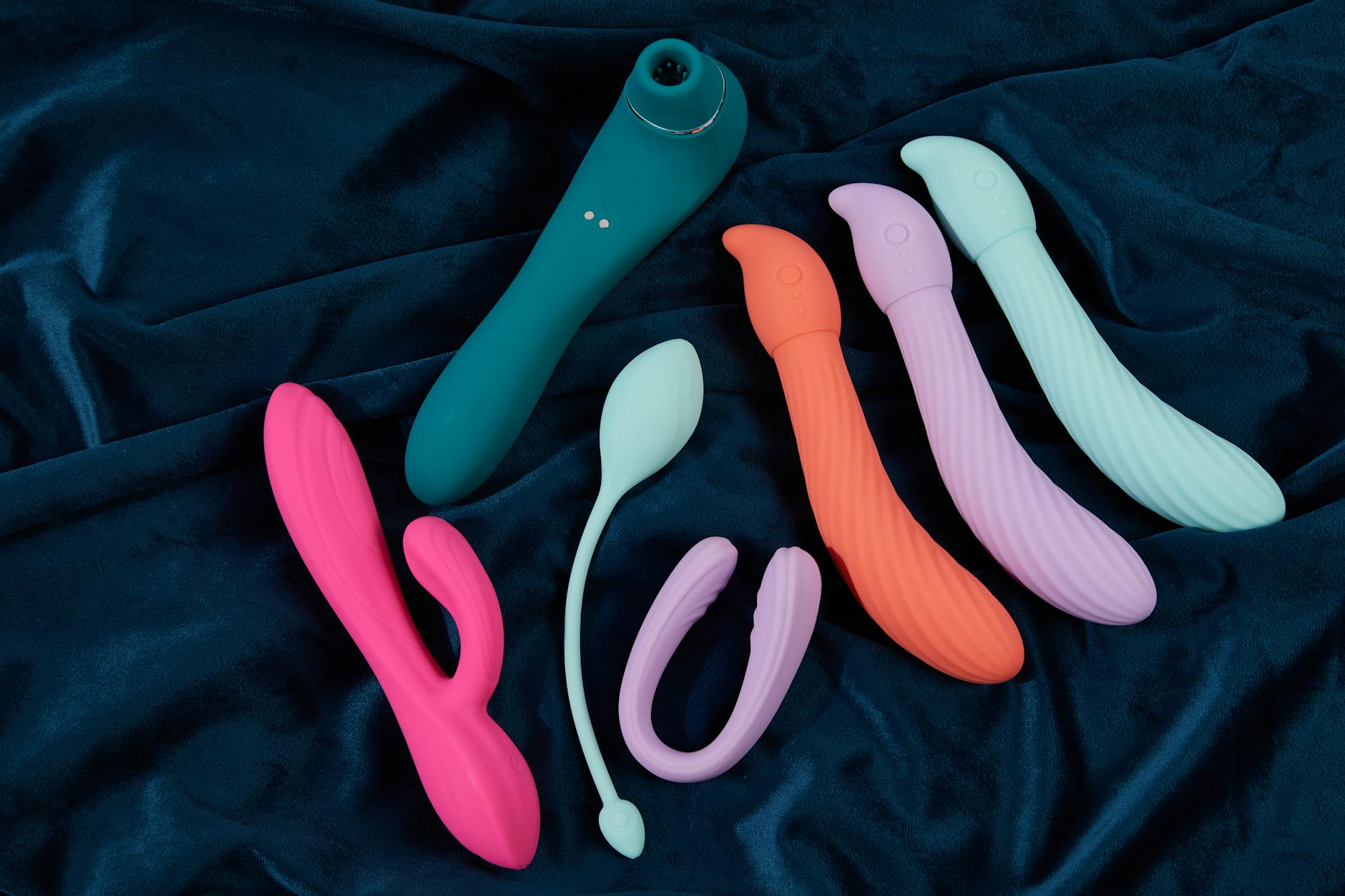
The clue is in the name. Lemon clitoral vibrators use pulsing suction rather than traditional vibration. They stimulate through pressure and rhythmic suction instead of rapid back-and-forth motion.
Here's why that matters when you're on hormonal birth control: suction-based stimulation works beautifully when direct friction feels overstimulating or when your tissues need a gentler approach to build sensation. It's a different pathway to arousal. Instead of relying on rapid vibration to trigger response, suction engages the full clitoral complex through gentle, rhythmic pressure.
For people on hormonal birth control whose clitoral sensitivity has shifted, this makes a real difference. You're not fighting against how your body is responding. You're working with it. A lemon vibrator (also called a lemon sucker) essentially bypasses the sensitivity question entirely and accesses pleasure through a different mechanism.
Moreover, suction-based stimulation often feels less intense at lower power settings. If you're on birth control and find that traditional vibrators feel either too subtle or too harsh with no middle ground, the graduated intensity of lemon sexual toys gives you actual control. You can start at pattern 1 and incrementally increase, which matters when you're working with a body that's responding more subtly than it used to.
Not all birth control affects pleasure the same way. Knowing which type you're using helps you predict how your body might respond.
The combined pill (estrogen plus progestin) tends to have the most balanced effect on arousal. You're getting consistent hormone levels, which means consistent (if slightly lower baseline) sensitivity. If you're on the pill and noticing changes, lemon clitoral vibrators usually feel great as a reliable, predictable tool.
Progestin-only methods (the mini pill, implant, injection, or copper IUD without hormones) are more variable. The progestin can suppress arousal more significantly in some people. If you're on a progestin-only method and finding that you need more "wake up" time before pleasure kicks in, starting with lower-intensity patterns on a lemon vibrator often works well. You're building sensation gradually rather than trying to force a response your body isn't ready for yet.
If you're using a non-hormonal IUD (copper), pleasure typically stays consistent. Your body isn't running on synthetic hormones, so you're closer to your baseline response. But if you're using a hormonal IUD, especially the ones that release higher levels of localized progestin, you might notice the same shifts as someone on a progestin-only pill. Lemon vibrators still work beautifully here. The difference is you might not need to adjust as much.
If you just started a new birth control, here's the honest timeline. Your body doesn't adapt to new hormones instantly. Most people experience shifts in arousal, sensitivity, and lubrication for at least 2-3 months while their system adjusts.
This is not the time to panic about your sex drive disappearing. It's also not the time to assume that every change is permanent. Your body is learning new hormone levels. It takes a minute.
What lemon vibrators do really well during this adjustment phase is provide consistent, predictable sensation while your body is recalibrating. You're not waiting for spontaneous arousal to kick in. You're actively building it in a way that works with the new hormone reality, not against it.
Start at lower patterns and work up. This isn't because you're broken. It's because your clitoris might need a gentler invitation right now. Give it one.
Four tweaks I recommend for people using lemon vibrators while on hormonal birth control.
One: build in longer foreplay. If you used to get going in five minutes and now it takes fifteen, that's not a problem. It's information. Plan for it. Use the first phase to build arousal before introducing the vibrator.
Two: use water-based lubricant even if you normally don't need it. Your tissues might be slightly drier on hormonal birth control, and lube isn't a sign of anything wrong. It's just practical. It makes sensation feel smoother and helps the suction mechanism of lemon vibrators work more effectively.
Three: experiment with patterns. Don't assume pattern 1 is too weak or pattern 3 is too much. Your body's response to different rhythms might have shifted. Spend a week exploring. You might find that the pattern you loved before no longer hits the same, and a different rhythm is now your favorite.
Four: separate sensation from orgasm. If you're on birth control and noticing that climax takes longer or feels less intense, sometimes the breakthrough is just enjoying the pleasure without the goal. Lemon clitoral vibrators feel incredibly good as a standalone experience, separate from the orgasm question entirely.
If you've been on the same birth control for 3+ months and pleasure still feels completely absent, that's worth mentioning to your prescriber. Sometimes a different formulation or contraceptive method is a better fit for your body.
Don't expect them to connect this back to birth control on their own. Many providers don't connect the dots between contraception and pleasure. You might need to say: "I've noticed my sex drive and sensitivity have shifted since starting this birth control. I'd like to try a different option to see if it helps."
Also: if you're experiencing pain during sex or intense dryness that doesn't improve with lubricant, mention that too. It's still likely hormonal. It's also still fixable, sometimes with a different contraceptive and sometimes with a conversation about personal lubricant or other adjustments.
Your birth control isn't making you broken. It's making you different. Lemon vibrators work so well in this context because they don't require your body to respond the way it used to. They meet your body where it actually is right now and work with that reality. That's not settling. That's actually pretty smart.
No. Your sensation and arousal typically shift while you're using hormonal birth control, but those changes are reversible when you stop. Some people find their baseline pleasure and responsiveness return to their previous level. Others notice they've actually learned something about their body in the process and prefer a different approach. The changes are real but not permanent.
Absolutely. There's no physical reason to wait. Your body might take 2-3 months to fully adjust to new hormones, so your pleasure response might feel different than before, but there's no risk to using a lemon vibrator while on birth control. Start gently and pay attention to what feels good.
Maybe not. The suction sensation itself is consistent, but how your clitoris responds to that suction might have shifted. You might find you prefer lower patterns now, or you might discover that suction-based stimulation actually feels more consistent on hormonal birth control than vibration used to. Treat it as an experiment.
It matters somewhat. Combined hormonal methods usually have a gentler effect on arousal than progestin-only methods. But everyone's body is different, so the best approach is to pay attention to your own response rather than assuming. Lemon vibrators work beautifully across most contraceptive types because they don't rely on one specific kind of sensitivity.
This is actually pretty common, especially in the first few months or on progestin-dominant methods. Lemon clitoral vibrators often feel great in this situation because the suction mechanism doesn't require high baseline sensitivity to work. You're not fighting against numbness. You're using a different pathway to sensation.
That's a personal decision that depends on your contraceptive needs and how much the pleasure shift is affecting your life. If pleasure changes are mild and you love your birth control method for other reasons, adjusting how you approach pleasure (like using lemon vibrators) might be the right call. If pleasure changes are severe and your contraceptive needs are flexible, trying a different method is also reasonable. Talk to your provider about what matters most to you.
If you're noticing shifts in how your body responds on birth control and want to explore what works now, reach out at /contact. You deserve pleasure that actually matches your body as it is, not as you think it should be.