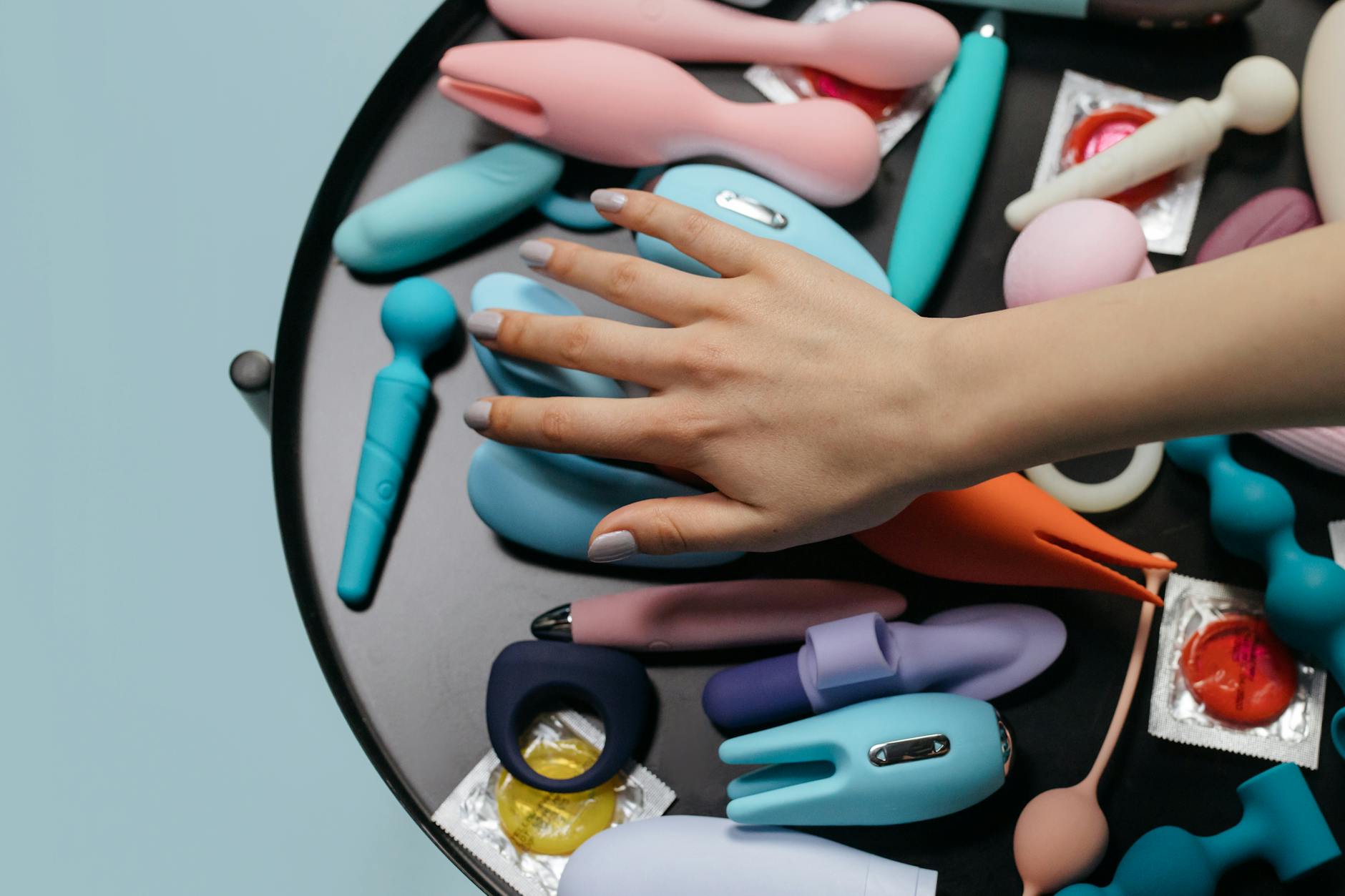
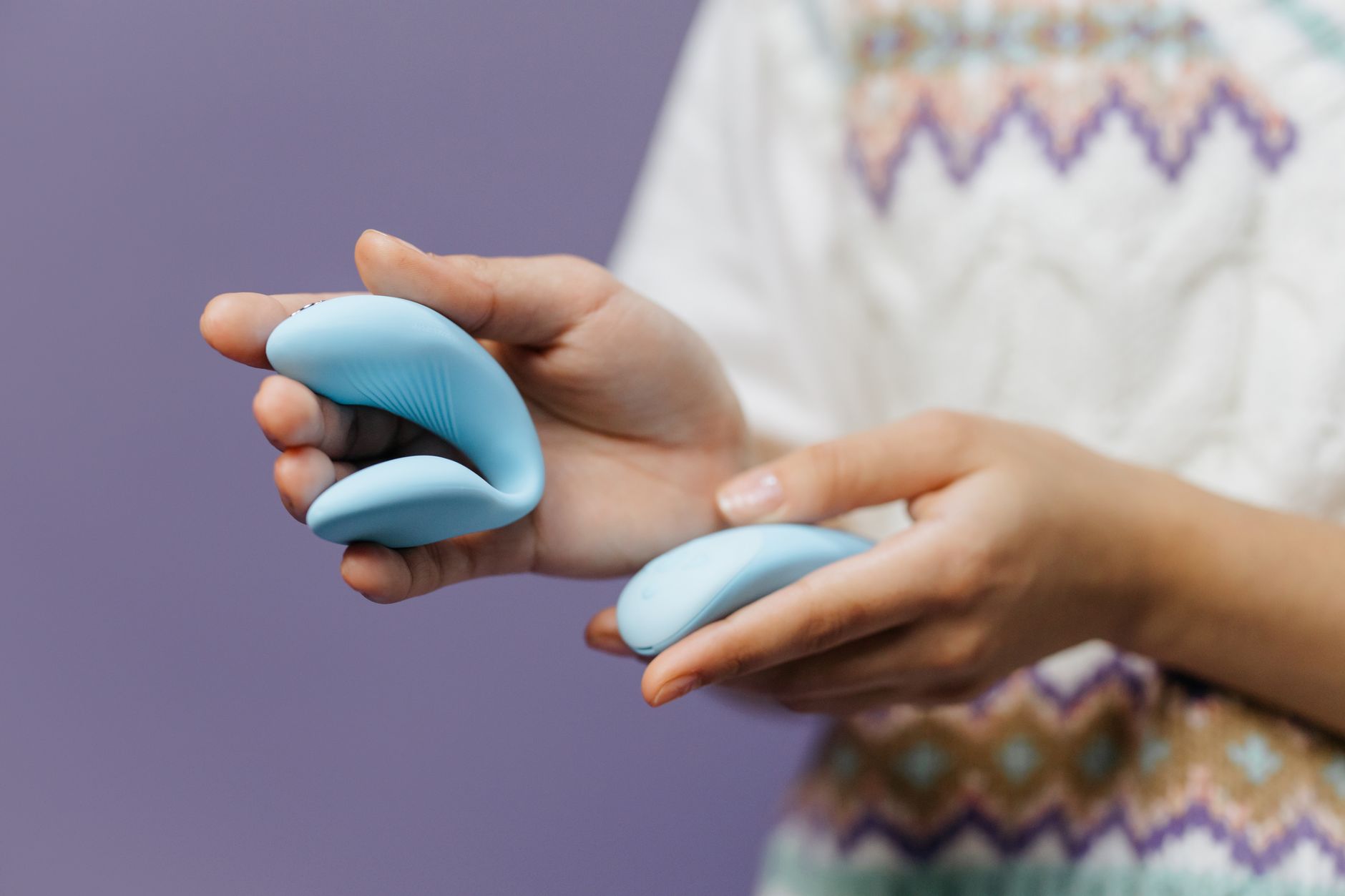
How to Introduce a Lemon Vibrator to Your Partner Without Awkwardness
The conversation you're nervous about is actually easier than you think. Here's exactly what to say, when to say it, and how to frame it so it feels like connection, not criticism.
You want to introduce a lemon vibrator. But you're not sure how to bring it up without your partner feeling like you're saying "what you've been doing isn't enough." That's the fear talking, and it's a totally legitimate one. Most couples skip this conversation entirely because the potential discomfort feels bigger than the benefit.
Here's what actually happens when you do it right: your partner feels valued. They realize you're thinking about both of your pleasure, not just your own. And you open a door to talking about sex in a way you probably haven't before. This is the opposite of awkward.
I've worked with dozens of couples on this exact conversation, and the biggest mistake is trying to bring it up mid-argument or when you're already in bed and frustrated. Pick a time when you're both relaxed, fed, and not about to leave for work. Sunday afternoon. After dinner. A walk around the block.
Avoid bringing it up right after sex (it sounds reactive) or right before (it sounds like a complaint). You want neutral ground. You want space to talk without physical pressure.
The conversation should take about 10 minutes. If either of you is tired, stressed, or defensive, it will take longer and go worse. Wait for a better moment.
Forget "I want to try something new." That feels vague and can land wrong. Instead, lead with curiosity and want.
Here's a stronger opening: "I've been thinking about what we could explore together, and I found something I think we'd both enjoy. I'd love your thoughts on it."
Notice what's happening here. You're not saying your current sex life is broken. You're not saying you need this. You're saying you want to expand what you already have. You're inviting them in. You're curious about their opinion.
Then show them. An image, a product page, whatever. Lemon vibrators look good on screen. The design is clean. The functionality is clear. Let them see it without pressure.
If they push back immediately, resist the urge to defend it. Instead, ask: "What about it makes you hesitant?" Nine times out of ten, the resistance isn't about the toy. It's about what they think the toy means.
This is the biggie. They're worried you're saying they can't satisfy you. The answer is true and specific: "It's not about replacing you. It's about adding something that works differently. It's like the difference between a massage and a vibrating massage chair. They're not competing. You're still the person I want."
Then follow through. If you introduce a lemon vibrator, use it with them present. Use it together. Don't disappear into the bedroom with it alone. That signals "this is better than you," which is the opposite of what you want.
"Won't it make you dependent on it?"
Some partners worry you'll only be able to finish with the vibrator now. It's a fair question rooted in incomplete information. The honest answer: "I'm more likely to finish with you both there. The vibrator doesn't replace what you do. It enhances it."
You can also explain the physiology without getting clinical. Clitoral vibrators work differently than penetration or manual stimulation. Your body responds to different sensations. That's not weakness. That's having a body.
"This feels like judgment."
They think you're implying they should be doing more, trying harder, changing something. The counter: "I'm not asking for anything different from you. I'm asking for something additional that we get to share. This is about us exploring something new together, not about you doing better."
Notice the pattern. You're redirecting from "this means something is wrong" to "this means we get to be closer." Because that's actually true.
Most partners won't say yes immediately. They might need time to sit with it. They might have questions. They might worry about logistics or feel shy about using it in front of you.
All of this is normal. Your job is to listen without trying to convince. If they say "I'm not sure," the right response is "that's okay. No pressure. But I'd love to try it together when you're ready." Then drop it for a few days. Let them think.
If they say "maybe," that's often better than yes. It means they're genuinely considering it instead of just appeasing you.
If they say no, that's information too. Press gently once. "Is there something specific that's concerning you?" If they stay firm, respect that. Using a toy against a partner's comfort is a relationship violation. You're building trust here, not winning a negotiation.
Once they've said yes or "let's try it," don't overthink the logistics. Keep it simple.
Start with foreplay. Touch, kissing, all the usual. When you're both aroused, introduce the lemon vibrator. You can hold it yourself, or ask them to. Some partners find using it together is the least awkward way in. It feels collaborative.
Use water-based lubricant if things feel dry. Even if they don't usually, lemon vibrators (especially air-suction models) can benefit from a small amount. It's not a judgment. It's mechanics.
Go slow. Start on a lower setting. You probably know your own body's response. Your partner doesn't yet. Narrating helps: "That feels good" or "a little lower." It takes the guessing out.
Introducing a lemon vibrator isn't really about the toy. It's about saying "I want to explore pleasure with you. I trust you with this. I want you to trust me with this." It's about normalizing the fact that good sex evolves. It changes. It deepens.
Couples who can have this conversation tend to have better sex overall. Not because of the vibrator. Because they've learned that talking about desire isn't dangerous. It's the foundation.
If your partner has made comments about vibrators being unnecessary or weird, you need a different approach. Don't surprise them with the topic. Soften the ground first.
Try: "I know you've mentioned vibrators before. I'd like to talk about that without pressure. Can we?"
Then listen. Let them say what they actually think. Often skepticism comes from porn stereotypes, old messages from family, or bad past experiences. Once you know what the real concern is, you can address it specifically.
Sometimes introducing information helps. Some partners feel better when they understand the mechanics. Some need to hear that lemon vibrators are designed for comfort and safety. Some just need time.
If they remain opposed, forcing the issue will damage your connection more than introducing a toy will improve it. There's a limit to what you should override someone's boundaries for. Respect it.
When you frame this right, introducing a lemon vibrator is a gift. You're saying "I want your pleasure to be deeper." You're saying "I think you deserve exploration and discovery." You're saying "I trust us."
That's the conversation worth having. The toy is just the tool.
Start with curiosity and invitation rather than complaint. Lead with something like: "I've been thinking about what we could explore together, and I found something I think we'd both enjoy." Pick a relaxed moment, not during or right after sex. Show them what you're interested in. Ask for their thoughts without pressure. The frame should be about expanding what you have together, not fixing what's broken.
Completely normal. Most people worry it will land as criticism of their partner's performance or feel threatening. But that's not what happens when you frame it right. When you lead with "this is something we explore together" instead of "I need this," your partner usually feels closer to you, not judged. The nervousness goes away once you realize the conversation is actually about connection.
Respect that. Don't push, negotiate, or try to change their mind. You can ask once: "Is there something specific that's concerning you?" But if they stay firm, that's their boundary. Overriding it damages trust more than adding a toy improves sex. There are other ways to deepen pleasure if your partner isn't on board with vibrators. Focus on what they are comfortable with.
Start with foreplay first. When you're both aroused, introduce it gradually. You can hold it yourself, or ask your partner to. Some couples find it less awkward to use it together. Start on a lower setting and work up. Narrate what feels good so your partner understands your body better. Keep water-based lube nearby. The goal is comfort and exploration, not performance.
Most resistance isn't actually about the vibrator. It's about what they think it means. They might worry it says "you're not enough." They might have old messages about vibrators being wrong. They might feel insecure about not knowing your body well enough. They might worry about dependency. Once you understand the real concern, you can address it. Most partners come around once they realize the vibrator is an addition, not a replacement.
It can. Not because of the toy itself, but because couples who can talk openly about desire tend to have better sex and deeper trust overall. Introducing a lemon vibrator often opens a door to conversations you haven't been able to have. Once you've normalized talking about one thing you want, other conversations get easier. That's where the real improvement happens.
Once you've introduced the idea and your partner is open to trying, the real work is follow-through. Use the vibrator together. Ask for feedback. Keep talking. Some partners warm up immediately. Others need a few tries. Both are fine.
The goal isn't to convince anyone of anything. The goal is to build a sexual relationship where both people feel seen, valued, and invited into exploration. A lemon vibrator is just the vehicle for that. The connection is the point.