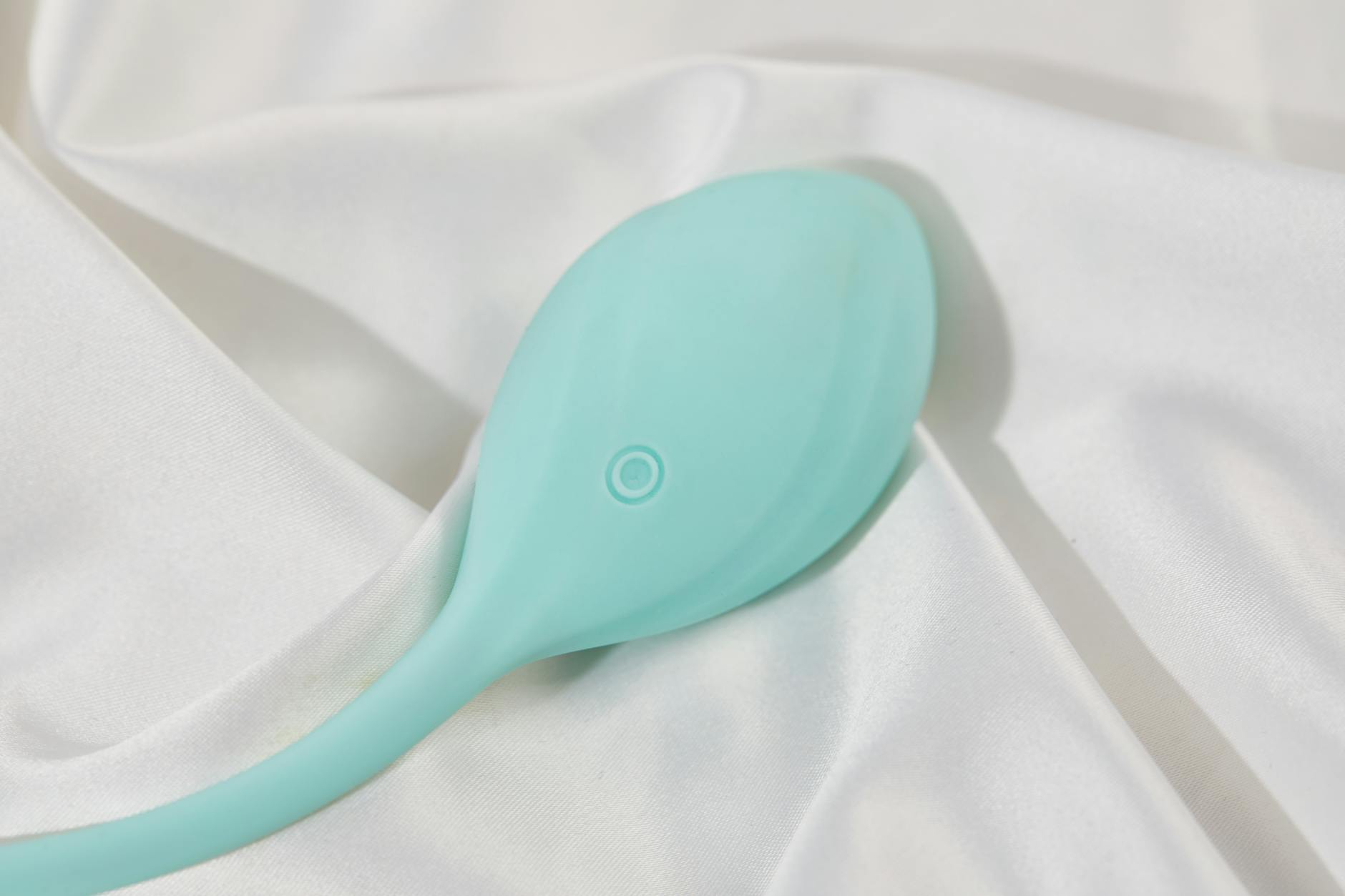
You've been thinking about it for weeks. Maybe you saw something about lemon vibrators online, or a friend mentioned theirs, and you thought: this could actually work for us. But now you're stuck in your head, imagining the conversation going sideways. They'll think you're unhappy with them. They'll get defensive. They'll think you don't find them attractive anymore.
Most guides tell you to frame it as "bringing something new to the bedroom" or "spicing things up," which immediately signals trouble. Your partner hears that and thinks you're bored. Instead, the most successful introductions I've seen come from genuine curiosity, not performance anxiety.
Here's the shift: you're not trying to sell them on anything. You're inviting them into something you think could feel good for both of you.
Don't have this conversation during sex or immediately before. Don't ambush them with it when they're stressed, tired, or distracted. The best moments are the ones where you're already connected and calm. A lazy Sunday morning. A walk where you're side by side instead of facing each other directly. The car ride home from dinner.
Avoid bringing it up right after sex when the urge to talk about it feels fresh. Wait 24 hours. That creates emotional space.
Start with curiosity, not advocacy. Try something like:
"I read something about clitoral vibrators that made me curious. Have you ever tried anything like that? I'm wondering if we could explore it together."
Or, if you've already used one alone:
"I got a lemon vibrator to try on my own, and I was surprised by how much I liked it. I kept thinking about it being something we could do together, and now I'm wondering what you'd think."
Notice what's missing: no apology, no sales pitch, no "our sex life needs this." Just honesty.
If they say yes immediately, great. The conversation is already the invitation.
If they seem hesitant, ask why. Don't argue. Just listen. Common objections sound like:
"I'm worried I won't be enough." (This is about their insecurity, not the vibrator. Reassure them directly: "That's not it at all. I want this with you, not instead of you.")
"It seems weird." (Translation: it's new and unfamiliar. Offer to explore it together the first time so it feels shared, not surprising.)
"I'm not sure I'm comfortable with that." (Respect this fully. The conversation is over. Revisit in three months if you want, but don't push.)
The key here is separating their resistance from rejection of you. Usually, they're nervous because they don't understand it, not because they don't want closeness with you.
If you've already purchased a lemon vibrator from Hello Nancy or another brand, let them hold it. Let them see it. Demystifying the object removes a lot of the awkwardness. Show them the settings. Explain that it's a tool for your pleasure, not a replacement for theirs.
If they're still hesitant, offer a compromise: use it alone first (with them in the room, if they're interested), and they can see how it works. This removes the performance pressure and lets them observe without having to be immediately involved.
Don't make it a big production. Treat it like you'd treat any other object you bring into sex. Incorporate it naturally during foreplay. Let them control it, or show them what feels good. Communicate as you go: "That feels amazing" or "Can you try it a little slower?"
If it doesn't feel incredible the first time, that's normal. Lemon clitoral vibrators and other suction-based toys require a slight adjustment period. Your body needs to get used to the sensation. Give it three or four uses before deciding whether it's a fit.
Sometimes a partner says yes to the conversation but then freezes when the moment comes. This happens when they're more anxious than they let on. If this happens, don't push. Step back. Ask what shifted. Often they need reassurance that they're still the primary source of intimacy and pleasure, not secondary to a toy.
Other times, they agree to try it but seem withdrawn afterward. Check in the next day when you're not in bed. "I noticed things felt off after. I want to make sure you're okay." This creates space for them to voice whatever anxiety came up without the sex part muddying things.
Here's what I tell couples: a vibrator isn't about replacement. It's about addition. You're not saying "I need this instead of you." You're saying "I'd like us to expand what we do together."
Lemon vibrators, whether we're talking about the Lem or other clitoral vibrators from Hello Nancy, work in partnership with manual stimulation and partnered touch. They enhance sensation. They allow for a type of orgasm that might not happen otherwise. They're a conversation between you and your partner about pleasure.
When framed this way, most partners move from hesitation to curiosity. They want you to feel good. They want sex to feel good for both of you. A tool that helps that happen isn't threatening. It's collaborative.
Say yes becomes "let's try this." Now you need patience. The first use might feel awkward. The second might feel better. By the third or fourth time, integration happens naturally.
Don't expect it to feel like a movie scene. Real sex is funny sometimes. The vibrator might feel too strong or too weak. Your positioning might be weird. Your partner might need time to figure out how to touch you while you're using it. All of this is normal.
The goal isn't perfect integration. The goal is comfort, communication, and pleasure.
You've brought it up, and they've shut it down without much explanation. It happens. Here's what I recommend:
Wait two weeks. Then, in a non-sexual context, try once more. Be specific about why you want this: "I've been thinking about what I said before. I really do think this could feel good, and I'd love to explore it with you." If they say no again, let it rest. Don't bring it up during sex or when frustration is already present.
For some people, the thing that shifts their mind isn't another conversation. It's time and familiarity. The more they hear about vibrators (from friends, media, even just general cultural conversation), the less scary the idea becomes.
Not if you frame it correctly. A vibrator isn't a competitor. It's a tool for sensation. Many partners actually feel relieved knowing you have another way to reach orgasm, which takes pressure off them to "perform" that alone. The key is reassurance, not assumption that they'll feel bad.
If your partner found it, honest conversation is now your move. Don't lie. Say something like: "I've been curious about this and wasn't sure how to bring it up. I should have just told you." Then follow the opening scripts above. If you're still hiding it, that's worth examining. Why aren't you comfortable being honest with your partner about your own pleasure? That's the real conversation to have.
Start with something mid-range in intensity. The Lem from Hello Nancy is a good entry point because the sensation is distinctive without being overwhelming, and the patterns give you options to dial in what feels right. Avoid starting with the absolute strongest setting on any device.
Talk about it beforehand. Let them know you need to ease into this. Maybe the first time, you hold it and they just watch. Or you guide their hand. Control and pacing are the cure for shyness. Once you're more comfortable, handing control over becomes easier.
Both. Lemon clitoral vibrators work beautifully during partnered sex. Most couples find that incorporating it during penetrative sex or oral sex enhances orgasm. The sensations are complementary, not competing.
That's a different conversation and a beautiful one. Couples exploring toys together often find it opens up dialogue about pleasure they didn't have before. Go for it.
The conversation isn't actually about the vibrator. It's about building a relationship where pleasure matters to both of you and where honesty about that pleasure is normal. That foundation changes everything. Once you've had this conversation successfully, the next one gets easier. Communication about desire, about bodies, about what feels good. All of it becomes less scary.
Your partner wants you to feel good. They want you to want them. A lemon vibrator isn't a threat to that. It's an extension of it. And the conversation that brings it into your bedroom is an act of intimacy, not avoidance of it.
Ready to move forward? Start with the opening that feels most natural to you, pick a calm moment, and remember: you're inviting, not demanding. From there, the rest follows.