How to Use Lemon Clitoral Vibrators When Your Partner Is Resistant to Toys
Your partner thinks a toy threatens them. Here's what's really happening, why that fear makes sense, and how to move from defensiveness to genuine curiosity about pleasure together.
Let's be honest. When someone says "I don't want you using a toy," they're not actually worried about the vibrator. They're worried about what it means. Am I not enough? Does this mean you don't want me? Will you prefer it to me? Those are real fears, and they deserve to be heard before you even mention lemon vibrators.
Here's what I see clinically: partners often confuse sensation with satisfaction. They think a clitoral vibrator means you're replacing them, when actually you're asking for a different type of stimulation that has nothing to do with their worth. A lemon vibrator doesn't compete with a partner. It doesn't have feelings, it doesn't create emotional intimacy, and it can't hold you after sex.
What it does: it delivers consistent, focused pressure to nerve endings in a way hands or other methods sometimes can't replicate. That's not a rejection of your partner. That's biology asking for the right tool.
Many couples discover that when they move past the initial resistance, toys actually create more sex, better communication, and less resentment. Your partner might be standing between you and pleasure for reasons that have nothing to do with actual threat.
You can't introduce lemon clitoral vibrators the way you'd introduce a new restaurant. The stakes are too high. This conversation needs to happen outside the bedroom, when neither of you is aroused or frustrated.
Start by asking questions instead of making announcements. "Have you ever thought about trying toys together?" is different from "I want to use a vibrator." The first invites dialogue. The second sounds like a decision already made.
Listen to what he actually says, not what you're bracing for. He might say "I'm worried it'll hurt you" or "My ex used one and it felt weird" or "I don't know where to start." Each of those is a different conversation.
Instead of "I want to use a toy," try: "I want to show you something that makes me feel amazing, and I'd love to share that with you." That's not a threat. That's an invitation.
If he's still hesitant, you might say: "I'm not asking you to use it. I'm asking you to be in the room while I explore what feels good to me. Your presence matters more than your participation." Some partners need to see it's not about him before they're comfortable.
Others need to know it's not about replacing him. You could say: "This doesn't change what we do together. It adds something. The way I want you to feel is more pleasure, not less of you." That's true, and he needs to hear it.
If he softens and becomes curious, the next step is to invite his participation without pressure. "Would you want to try this together?" gives him agency. He can say yes, no, or "not yet."
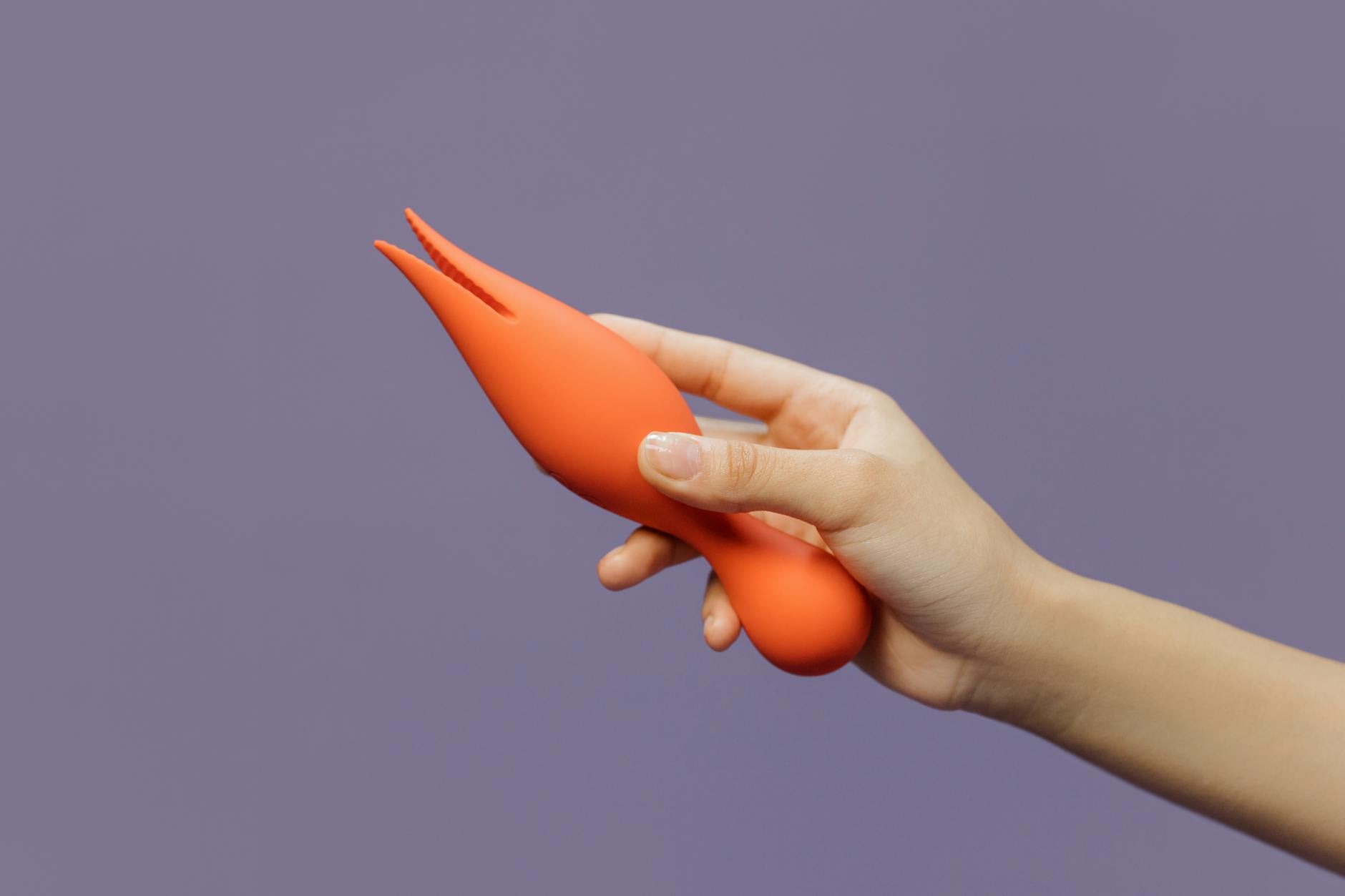
If he says yes, here's what matters: pick a lemon clitoral vibrator designed for couples. The design matters because it's not intimidating. Something like a clitoral vibrator doesn't look clinical or replaceable. It looks like a tool, not a competitor.
Start slow. Show him how you use it on yourself first. Let him hold it. Let him see what intensity feels good for you. This removes the mystery and makes it collaborative. When he's involved in discovering your pleasure, it stops being about threat and becomes about connection.
Many partners who start resistant end up incorporating lemon vibrators into their foreplay because they realize it creates more arousal, more time together, and more pleasure for both people. The toy isn't the point. Better sex is.
Some partners won't budge, and that's information too. If he's absolutely unwilling to consider clitoral vibrators or any toys, you get to decide what that means for you.
You could choose to respect his boundary. You could also choose to quietly use lemon vibrators when he's not around. You could suggest couples therapy if this is part of a larger pattern of control. Those are all valid paths.
But here's what I tell people: you don't have to convince your partner that your pleasure matters. You get to know it matters and act accordingly. If a partner's insecurity is strong enough to override your sexual autonomy, that's a relationship problem, not a toy problem.
Most often though, what looks like resistance is just fear masquerading as stubbornness. When you address the fear clearly and kindly, things shift.
One thing I see happen repeatedly: couples who introduce lemon vibrators after working through the resistance report that their sex life improves in other ways too. More communication. Less shame. More willingness to ask for what they actually want. The vibrator was the catalyst, but the real change was the permission to prioritize pleasure.
If your partner is resistant right now, that's not a no. It's a "not yet, I need to understand this first." Your job is to make understanding easier, not to convince him faster. The goal isn't getting him to accept the toy. It's getting both of you to a place where pleasure feels like something you want for each other, not something you want despite each other.
That belief comes from equating pleasure with infidelity. You're not cheating on your partner with a vibrator. You're using a tool to feel something your body is capable of feeling. It's like saying a vibrating massage gun is unfaithful to a massage therapist. Address the thought directly: "A lemon clitoral vibrator can't replace what you offer me emotionally or physically. It's a different thing entirely."
Timing and framing matter enormously. Don't bring it up during or right after sex, during a conflict, or when either of you is stressed. Pick a calm moment, maybe over coffee, and frame it as curiosity, not criticism. "I've been thinking about trying toys, and I want to talk to you about it because your feelings matter to me" opens a conversation. "We need to use toys because our sex life is boring" closes one.
That's actually great. Partners who involve themselves in choosing the toy often feel less threatened by it. They've made a decision together. A lemon clitoral vibrator or other lemon toys you pick jointly becomes something you're exploring together, not something you're imposing.
Technically yes. Ethically, it depends on your relationship agreements. Some couples are fine with solo pleasure that doesn't get discussed. Others have explicit agreements about toys. Know what your agreement actually is before you act. If you don't know, that's a conversation to have now, not after.
Some partners shift in a single conversation. Others need weeks or months of seeing you happy and feeling safe. There's no timeline. What matters is whether he's moving toward curiosity or digging in deeper. If it's genuine curiosity, patience pays off. If it's just compliance, that's different.
That's normal. Agreeing intellectually and experiencing it emotionally are different. Stay kind. Slow down. Invite him to watch or participate. Let him see that pleasure is making you happier, which benefits him too. If the hurt doesn't ease, that suggests something deeper is happening that might need professional support.
The goal isn't to convince your partner that lemon vibrators are amazing. It's to create a relationship where you both believe that pleasure, yours and his, is worth prioritizing together. Once you get there, whether toys are involved becomes almost secondary. You're already winning.