Surgery changes your body. It changes your partner's body. And it changes how you both relate to pleasure, sometimes for months. Most couples dance around this reality instead of naming it directly. One person feels scared to touch. The other feels broken. Then resentment compounds everything.
Here's what actually happens: surgery interrupts nerve signals, reduces blood flow to tissue, creates anxiety around movement, and sometimes introduces pain. On top of that, you're both in survival mode. Sex feels like an impossible luxury. And then when you do try, it feels foreign. Neither of you knows how to bridge that gap.
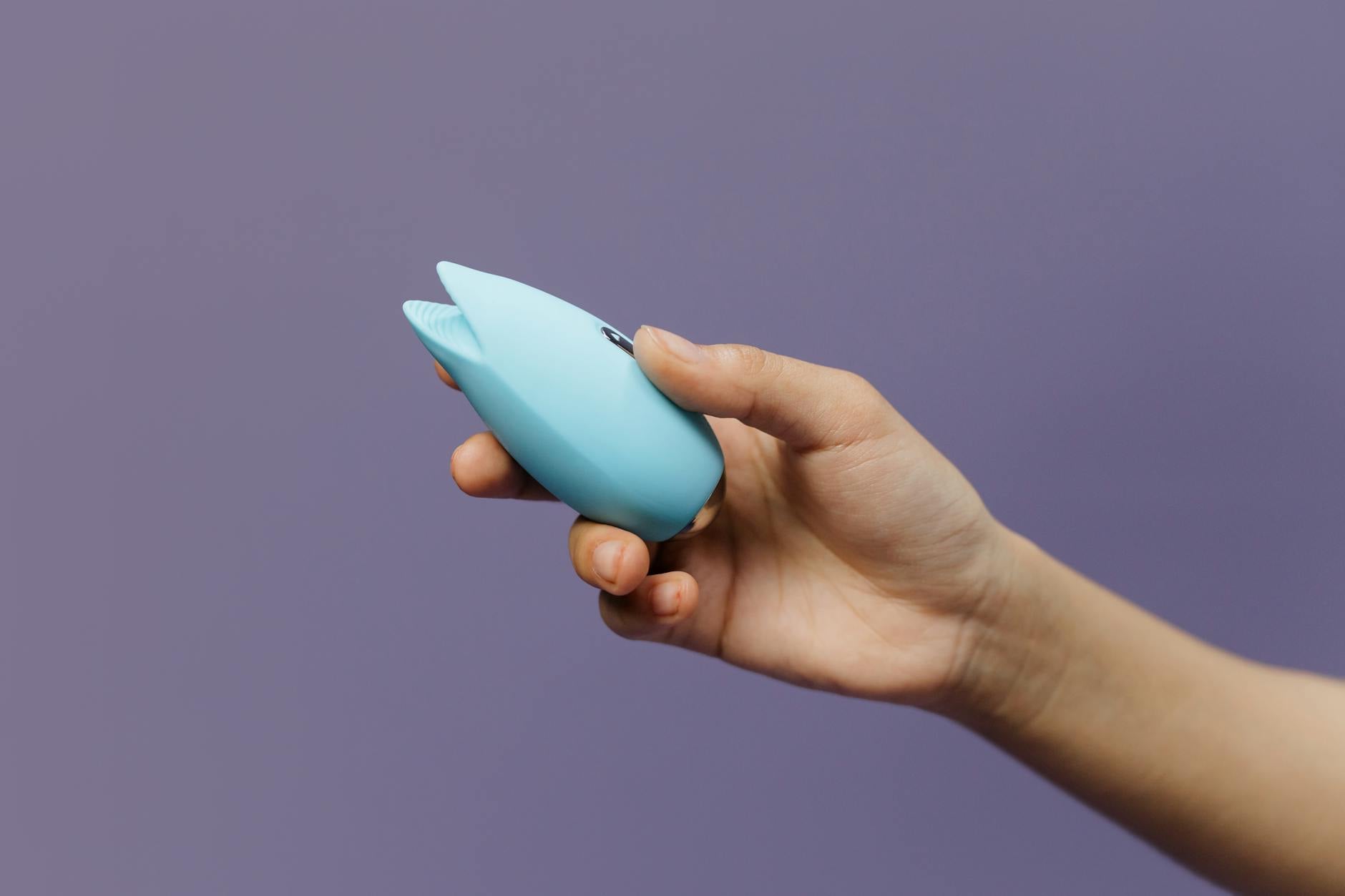
Lemon clitoral vibrators are not a magic fix. What they are is a practical tool for rebuilding sensation together without creating more pressure. They let you explore sensation at lower intensities, without the friction and movement that trigger post-surgical anxiety. And they shift the emotional tone from "will this work" to "let's figure this out together."
Depends on the surgery, obviously. Abdominal work, gynecological procedures, orthopedic stuff, even seemingly unrelated surgery—all of it can affect sensation because surgery changes nerve behavior.
When a surgeon cuts through tissue, nerves get disrupted. They don't immediately reconnect. Over weeks and months, they regrow and re-establish signaling pathways. Until they do, sensation is muted. Some people report numbness. Others experience hypersensitivity or weird phantom sensations. All of it is normal.
Beyond the nerves: surgery also comes with inflammation, scar tissue, reduced blood flow to the area, and psychological anticipation of pain. Your brain learns to protect itself by dampening sensation. That's not weakness. That's your nervous system doing its job.
Which means rebuilding sensation isn't about willpower. It's about gently coaxing your nervous system back to baseline through safe, repeated stimulation at controlled intensities.
There are a few reasons lemon vibrators specifically support this kind of recovery.
The suction mechanism mimics natural stimulation without mechanical friction. Traditional vibrators rely on rapid back-and-forth movement. Post-surgery, that friction can feel overwhelming or even painful on sensitive or numb tissue. Lemon clitoral vibrators use air-pulse suction, which stimulates nerve endings more gently. The sensation registers as pleasure without the triggering physical pressure.
Lower starting intensities. Most lemon adult toys offer multiple patterns and speeds. You can begin at pattern 1 or 2, which is barely perceptible to most people. This matters because you're not trying to achieve orgasm right now. You're trying to wake up nerve receptors and rebuild the signal pathway from tissue to brain.
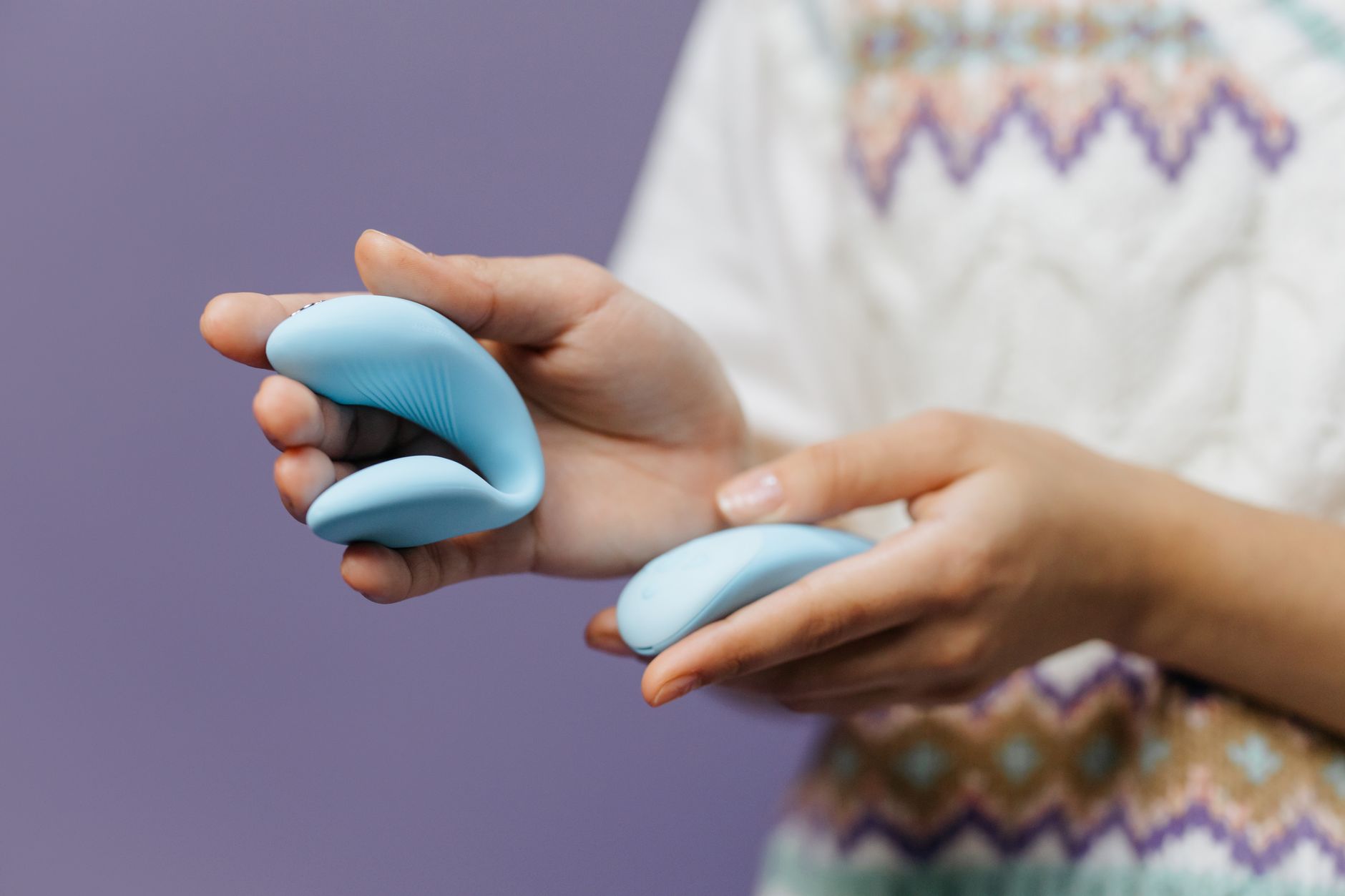
The gesture of sharing the experience shifts emotional dynamics. Surgery creates distance. One partner feels vulnerable and untouchable. The other feels rejected or scared of causing harm. Using a lemon sucker together means you're in it jointly. You're exploring. You're curious. You're not performing for each other—you're rebuilding trust in the body together.
Clear this with your surgeon first. Different procedures have different clearances. Generally, once you're cleared for sexual activity (usually 4-6 weeks post-op for most procedures), you can begin.
Weeks 1-2 post-clearance: Solo exploration only. Use the lowest intensity setting of a lemon clitoral vibrator for 5-10 minutes. You're mapping what sensation feels like now, without an audience. This builds baseline awareness.
Weeks 3-4: Introduce your partner. They hold the lemon toy while you guide intensity and patterns. They're not doing anything, just holding space and following your lead. This re-establishes touch without performance pressure.
Weeks 5+: You both experiment with timing, patterns, and whether this becomes part of partnered sex. Some couples find lemon vibrators become a permanent part of their repertoire. Others use them temporarily and graduate to other forms of touch.
The timeline is not fixed. You might move slower. You might need to circle back if something triggers pain. Circling back is fine.
This is the part that determines whether it works emotionally.
Before you begin: "I want to rebuild sensation with you. I don't know how fast or what will feel good yet. I need you to trust that I'll tell you if something's painful, and I need you to know that not reaching orgasm this first time doesn't mean anything is wrong."
During: Use hand signals or simple words. "Stay here." "A bit slower." "Lower intensity." If you can name what you're feeling, great. "That feels prickly" or "That's numb but in a good way" is useful feedback.
After: "That felt good because..." or "I want to try something different next time..." Not "Did you like it" or "Was that okay." You're not evaluating performance. You're gathering data.
Pain that wasn't there before. Stop immediately. This might mean you're pushing too fast, or it might mean scar tissue is sensitive. Either way, you circle back to lower intensity or move the focus to a different area. Talk to your surgeon if pain is sharp or persistent.
One partner feeling like they can't get aroused. Totally normal post-surgery. Stress hormones are still elevated. The nervous system is in recovery mode. Using a lemon adult toy takes off the pressure to create arousal in your head. You're letting the tool do part of the work while you both reconnect.
Feeling self-conscious about needing the toy. This is where couples get stuck. Using a lemon vibrator is not a concession to a broken body. It's a tactical choice in service of rebuilding what you had. You'd use crutches after an injury. This is the same thing.
One person healing faster than the other. Surgery doesn't sync across bodies. One partner might be cleared for activity at week 5 while the other is still in protective mode at week 7. Honor that difference. Use the tool to explore together at the slower person's pace.
Here's what happens when you lean into this process: you stop seeing the surgery as a rupture and start seeing it as a transition. You learn that you can want each other without performance. You discover that pleasure can be quiet and exploratory. And you remember that your partner is on your team.
Most couples tell me that sex after surgery—when they approach it this way—feels more intimate than before. Because you've negotiated it. You've communicated directly. You've admitted vulnerability. That's not something many long-term couples get to do.
The design of lemon clitoral vibrators is clinical enough that it doesn't feel precious or demand performance. It's engineered to work at low intensities. And the suction mechanism is forgiving if you're exploring numbness, neuropathy, or sensitivity changes post-surgery.
Compare this to traditional vibrators: they're all or nothing. High intensity or off. Post-surgery, that's often too much, too fast.
The graduated approach of a lemon toy lets you meet your body where it actually is, not where you think it should be.
Full sensation recovery can take 6-12 months depending on the surgery. Some people regain everything. Some find sensation feels different, not worse, just different. Both outcomes are fine.
What matters is that you're not white-knuckling through this alone. You're using tools. You're talking about it. You're moving slowly.
This isn't about rushing back to how things were. It's about discovering what works for both of you now.
Absolutely. In fact, that's often the exact reason to start here. A lemon vibrator focuses purely on clitoral sensation without requiring any internal stimulation. You can use it for months while you're still healing internally, then add other forms of touch when you're ready.
That's worth a separate conversation. Sometimes partners worry that needing a tool means something is broken. But reframe it: you're using a lemon vibrator the way you'd use physical therapy. It's medical-adjacent. It's temporary. It's about healing together. If they're still resistant, <a href="/blog/how-to-introduce-a-lemon-vibrator-to-your-partner-without-awkwardness">this guide on introducing toys without awkwardness</a> might help.
Follow your surgeon's clearance, always. Most give the all-clear at 4-6 weeks, but some procedures require longer. Once cleared, you can start with solo exploration immediately. Bring your partner in when you feel ready, which could be days or weeks later.
Not if you're starting at low intensity. The suction mechanism doesn't create friction or require you to move, so you're not stressing healing tissue. But if you experience sharp pain, stop and check with your surgeon. Pain is information.
Then you're starting from zero, which is fine. Begin with the lowest intensity and spend time there. Some couples find that using the toy regularly for 10-15 minutes, even if it feels like nothing, helps wake up sensation over time. It takes patience, but it works.
Not necessarily as a goal. Focus on sensation first. Orgasm comes later, once the nervous system has rebuilt the pathway. If it happens, great. If it doesn't, you're still making progress.
Surgery ruptures intimacy. That's real. But rupture doesn't mean permanent break. Using lemon vibrators as part of couples recovery gives you a concrete way to rebuild sensation, trust, and pleasure together. Start slow. Communicate directly. Remember that you're on the same team. And give your bodies time to find their way back.
You deserve to feel pleasure again. So does your partner. <a href="/contact">Reach out if you want to talk through the emotional side</a> of rebuilding intimacy after surgery.