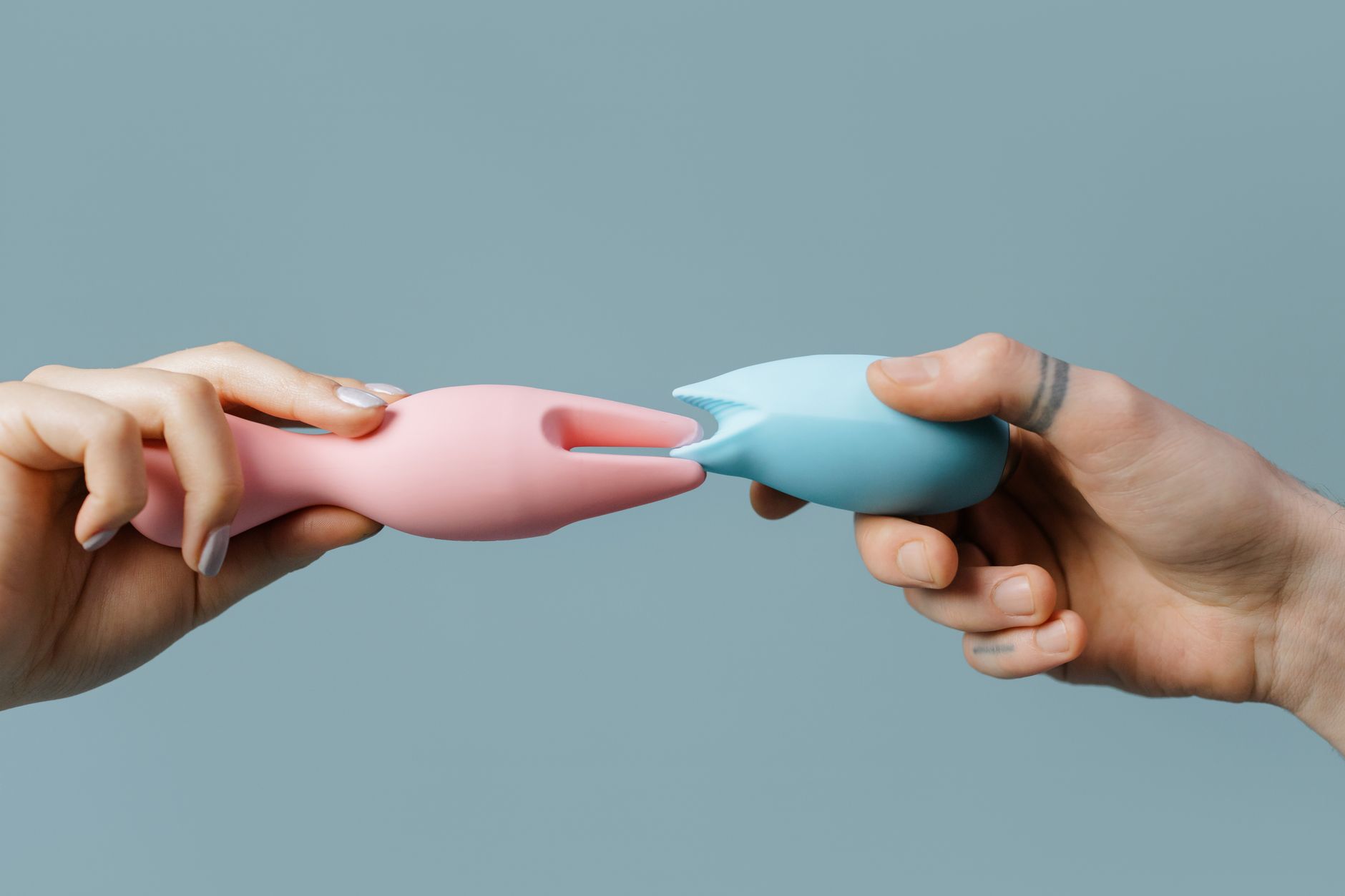
Your libido didn't vanish. Your nervous system just hijacked it.
When you're chronically stressed, your body stays in a low-level fight-or-flight state. That's useful if a predator is chasing you. It's devastating for desire. Cortisol spikes suppress testosterone and dopamine. Your pelvic floor tenses. Blood flow redirects to your limbs and away from your genitals. Your brain, starved of the chemical cocktail that makes sex feel good, stops bothering to send desire signals at all.
Most people blame themselves. They think something is wrong with their body or their relationship. The truth is simpler and fixable: stress is neurologically incompatible with arousal.
Traditional vibrators rely on your nervous system already being primed. They ask your body to amp up sensation when your body is actively trying to calm down. That's why they often feel ineffective when anxiety is high.
Lemon vibrators work differently. The suction mechanism creates a localized feedback loop that bypasses the need for mental arousal. Instead of waiting for your brain to send desire signals, the gentle suction directly stimulates the clitoral nerves, triggering a physical response that your anxious mind can't interrupt. Your nervous system experiences evidence of pleasure before it has time to talk you out of it.
This is genuinely valuable when stress has disconnected you from your body. You're not trying to think your way into desire. You're using targeted sensation to remind your nervous system what pleasure feels like.
Using a lemon vibrator effectively when stress is high requires a slightly different approach than typical pleasure sessions.
Step one: set the scene for safety. Your nervous system needs to believe nothing urgent is demanding your attention. Lock the door. Silence your phone. If you share space with a partner, explicitly ask for uninterrupted time. This isn't about romance or ambiance. It's about giving your vagus nerve permission to down-regulate.
Step two: slow warm-up matters more than usual. Spend 10 to 15 minutes touching yourself non-genitally before you introduce the lemon vibrator. Hands on your neck, chest, inner thighs, anywhere except your clitoris. This primes the parasympathetic nervous system and signals safety to your body.
Step three: start at the lowest suction setting. Begin with pattern one on your device. The goal isn't intensity. It's consistency and the subtle sensation of safety. Many people find that low-level, continuous suction actually feels more calming than stimulating at first.
Step four: track what you notice, not what you achieve. Forget orgasm as the metric. After 15 to 20 minutes, pause and notice: does your jaw feel looser? Is your breathing slower? Did any sensation register as pleasurable, even for a moment? Those are wins. Your nervous system is learning that it's safe to feel good again.
If you have a partner and stress is tanking your libido, using lemon vibrators together can actually deepen connection instead of replacing it.
Here's the counterintuitive part: bringing a vibrator into the picture when desire is low removes performance pressure. Your partner stops waiting for you to "get into it" and instead becomes part of the physical experience. They can hold you, kiss your neck, or simply be present while you explore sensation.
Talk beforehand. Let them know this isn't about them or your attraction. It's literally about your nervous system needing help downshifting from stress mode. Many partners feel relieved to understand it's a logistics problem, not a relationship problem.
Then use the lemon vibrator while your partner touches you elsewhere. Their hands plus the vibrator plus the knowledge that they understand what you're doing creates a unique cocktail of connection and sensation that bypasses the usual anxiety loops.
Consistency beats intensity here. Using a lemon vibrator once every two weeks won't retrain your nervous system. Once or twice weekly, even for short 15-minute sessions, actually does rewire how your body responds to pleasure.
Think of it like exercise. You're building tolerance for pleasure the same way you'd build tolerance for physical exertion. After three to four weeks of regular practice, many people notice their baseline desire starting to return. Not because anything changed about their external stress. But because their body learned, through repetition, that pleasure is safe.
If you're managing a major life stressor (job loss, caregiving, grief), don't expect libido to fully return until the acute stress passes. But maintaining this practice keeps pleasure on your radar instead of letting it completely disappear.
Sometimes low libido from stress carries an unspoken guilt. You feel like you're failing your partner or yourself. Or you believe that if you were truly attracted or healthy, desire would just be there.
Neither is true. Chronic stress is a legitimate physiological state. It's not a character flaw or a sign that something is broken inside you. And using a tool like a lemon vibrator to counteract it isn't cheating or avoiding the real work. It's the real work.
If you need to address the underlying stress (therapy, boundary-setting at work, renegotiating responsibilities at home), that's separate and important. But reconnecting with pleasure while you're doing that work is equally important. Your body deserves to know that feeling good is still possible.
If you try this approach consistently for four weeks and feel nothing shifting, it might be worth talking to a therapist or doctor. Sometimes low libido from stress masks depression or another condition that needs intervention. And sometimes the stress is so acute that pleasure practice feels impossible. That's not a failure. It's information that you might need a different kind of support first.
Similarly, if your partner is pushing you to have more sex while you're managing high stress, that's a relationship conversation, not a vibrator fix. The tool can help. But your boundaries and your nervous system's needs come first.
Yes, that's actually the point. The lemon clitoral vibrator works by creating localized sensation that doesn't require mental arousal to begin with. You don't need to feel turned on to start. The physical sensation can kickstart arousal, or it might just feel pleasant without leading to orgasm. Both are fine.
It depends on how long the stress has been present and how acute it is. If you've been dealing with high stress for three months, expect four to six weeks of consistent practice before you notice real shifts in baseline desire. If the stress is ongoing (chronic work pressure, ongoing health concerns), you might maintain this practice longer term. The point isn't to fix the stress through vibrators. It's to keep pleasure circulating while you address the actual stressor.
Both work, but differently. Solo sessions let you tune into your own nervous system without performing for anyone. Partner sessions add connection and reduce isolation. If you're doing this specifically to help your relationship, doing it together sometimes (with explicit conversation beforehand) can deepen things. But if the solo practice feels safer and more sustainable, that's the right choice.
Start even slower. Some people find that holding the vibrator without turning it on first helps. Others need their partner present. Some people benefit from using it during the day when stress is lower, not at night when the day's cortisol is still high. Experiment. Your comfort is the metric.
Some medications dampen sensation (like certain antidepressants or blood pressure meds). If you're on new medication and noticing changes, that's worth discussing with your doctor. But in the meantime, the suction mechanism of lemon vibrators often works better than traditional vibration for people on these medications because it engages nerves differently. You might need to use it longer or adjust the settings, but it usually still works.
It's not distraction. It's retraining. You're actively teaching your nervous system that it's safe to feel pleasure while simultaneously managing stress. Over time, this rewires your baseline stress response. It's the same reason people use specific breathing techniques or progressive muscle relaxation for anxiety. You're giving your body concrete evidence that calm and sensation can coexist.
Lemon vibrators won't solve your actual stress. But they can keep pleasure alive while you do the harder work of addressing it. Whether that's therapy, boundary-setting, lifestyle changes, or waiting out a season of life that's particularly demanding, you don't have to sacrifice your sexuality in the process.
Your desire will come back. Sometimes it needs a little help remembering how.