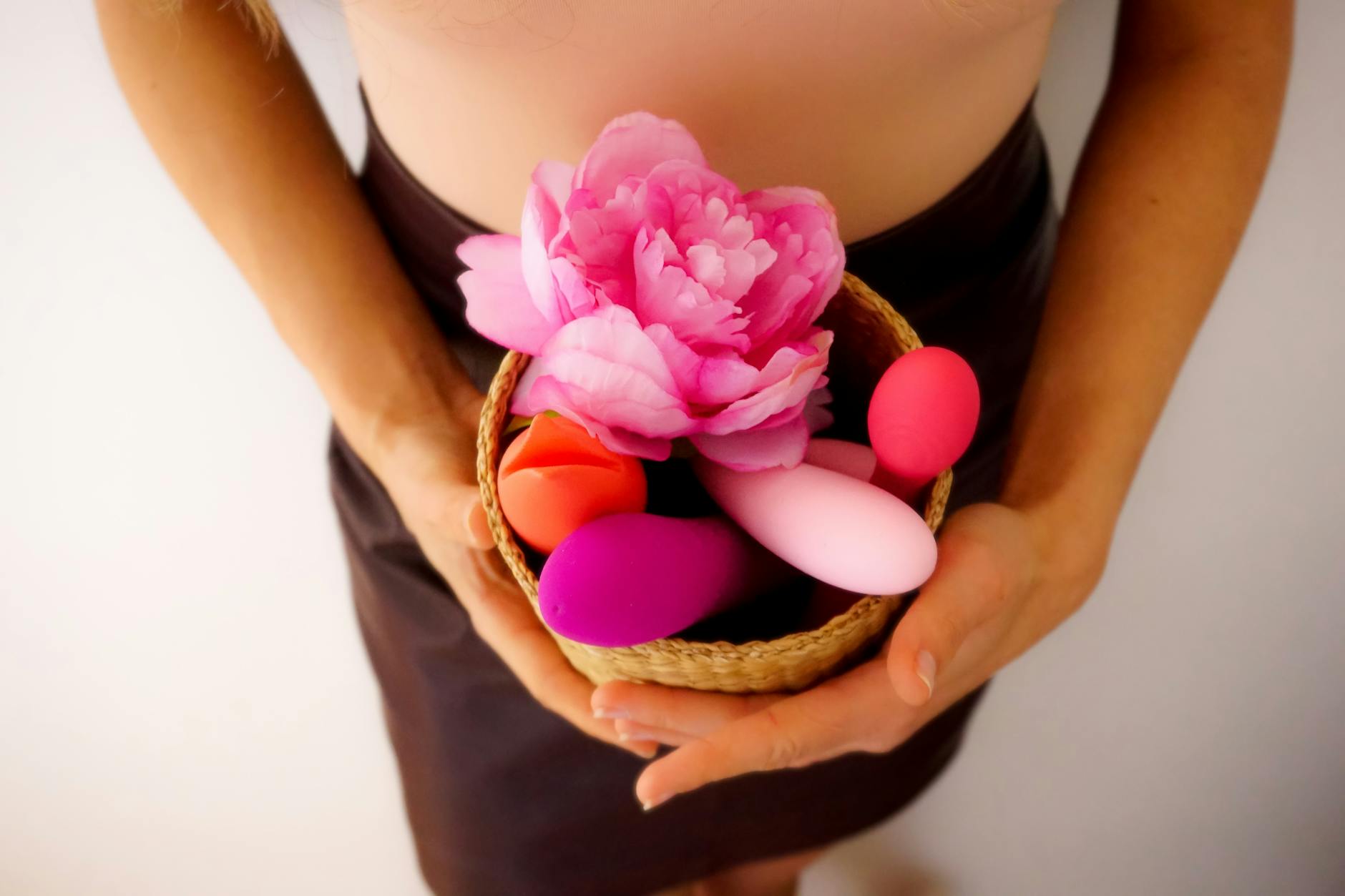
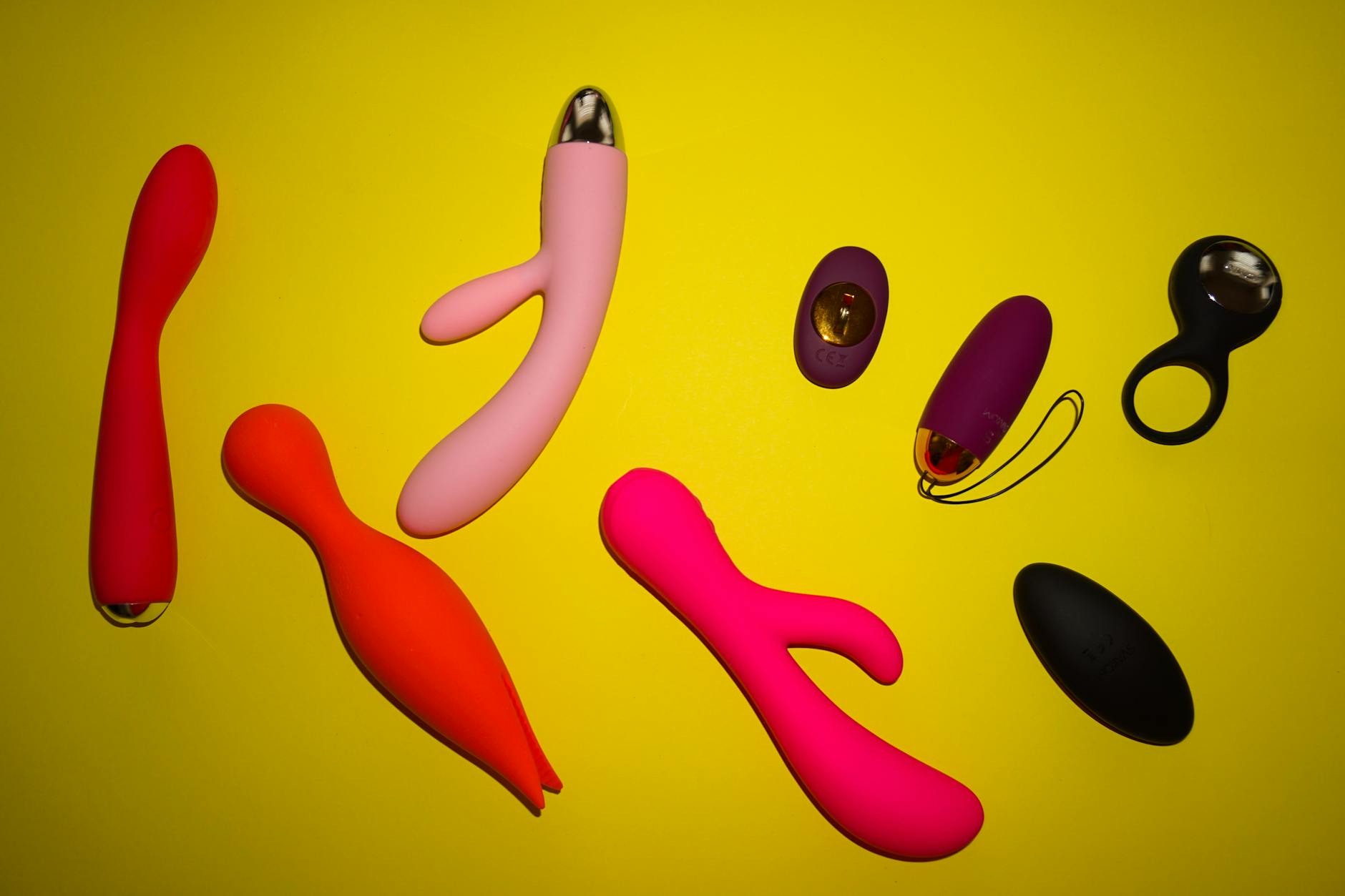
Your brain is wired to chase completion. Whether that's finishing work by 5 p.m. or orgasming within the timeframe you think is "normal," the human mind loves a deadline. The problem is that pleasure doesn't respond to deadlines. It actually runs in the opposite direction.
When you're counting down, checking in, mentally calculating whether you're taking too long, your nervous system stays locked in task mode. That's the performance anxiety trap, and it catches way more people than you'd think.
Performance anxiety triggers your sympathetic nervous system. That's your fight-or-flight mode, the branch that exists to keep you safe from predators, not to maximize sensation. When you're anxious about timing, your body deprioritizes blood flow to your genitals. Your pelvic floor tightens. Your mental focus narrows to the problem instead of the pleasure.
Clinically, this is called spectating: you're observing your own arousal instead of experiencing it. You become a critic watching a performance rather than a participant in it. And the harder you try to force the orgasm, the further it moves away.
Here's the counterintuitive part. The people who experience the most consistent, intense orgasms are usually not the ones optimizing for speed. They're the ones who've given themselves permission to not reach an endpoint at all.
Clitoral vibrators work differently than other stimulation because they don't require constant mental participation to feel good. With a partner or your hand, there's always the awareness of "is this working? should I adjust? am I doing this right?" That internal commentary is exactly what keeps you in your head.
A quality clitoral vibrator like The Lem does the physical work, which means your brain can finally relax into sensation instead of managing it. You're not wondering if you're stimulating the right angle or applying enough pressure. The device is consistent, predictable, and removes the performance variable entirely.
The suction technology in lemon vibrators is particularly powerful here because it builds sensation gradually. You're not chasing a sudden peak. You're following a natural wave of increasing pleasure that doesn't require you to hit specific markers along the way. That shift from task-oriented to sensation-oriented is where the real freedom lives.
Internal pressure: You've internalized a belief about what "should" happen or how long it "should" take. This is the voice that says orgasm is the finish line, that if you haven't gotten there in 20 minutes something's wrong with you or your body.
Partner pressure: Your partner is waiting, checking in, or (even if unspoken) their pleasure depends on you getting there. You feel responsible for their experience, which fragments your focus. You're managing their expectations while trying to manage your own sensation.
Circumstantial pressure: There's a time limit. You have 20 minutes before kids wake up, before work, before guests arrive. The ticking clock lives in the background, eroding relaxation.
Each of these can be worked with, but they all require the same fundamental shift. You have to make pleasure the goal instead of orgasm. Orgasm becomes optional, not obligatory.
Start with zero expectations. Not the performative zero expectations where you're secretly trying to trick yourself. Genuinely mean it. The goal today is to experience sensation, not to achieve anything. You could spend 40 minutes with a device and never climax, and that's a complete success if you felt good the whole time.
Set a timer for the opposite reason. Instead of a countdown to orgasm, set 30 or 45 minutes knowing you're not checking in on whether you're done. You're just letting yourself stay in the experience for that long. When the timer goes off, you stop. No judgment. You experienced pleasure for 30 minutes. That's the entire goal.
Choose a pattern, not chasing patterns. The Lem has multiple intensity levels and rhythms. Pick one that feels good right now, in this moment, and stay there for at least five minutes before even considering changing it. Your nervous system needs time to settle. Constantly chasing the "right" pattern is just another form of performance.
If you're with a partner, make it about presence, not participation. They're there, they're present, they're not expected to do anything. You're using the device, they're there because they care about you. That distinction removes the invisible scorekeeping that happens in partnered sex.
Some people orgasm faster once they release the pressure. Others need the freedom for a few sessions before their body starts to trust that performance isn't the point. Both are normal.
Once your nervous system actually believes there's no finish line, several things shift. You notice sensation more clearly because you're not overlaying it with judgment. You might discover that what feels good changes depending on the day, your cycle, stress levels, or just randomness. You might find that your pleasure builds differently than you thought it would.
Some people report that orgasms become more intense when they're not the only metric of success. Others say that pleasure without orgasm becomes genuinely satisfying on its own, which changes how they relate to sex entirely. The pressure doesn't just vanish, but it gets reframed from "I must achieve this" to "I get to explore this."
If you're in a relationship, this shift also improves the dynamic. When sex isn't about reaching a particular endpoint, you're no longer locked into a performance with someone else. You're sharing an experience. Your partner gets to focus on their own pleasure instead of monitoring yours. The whole thing becomes collaborative instead of transactional.
Orgasm is not the proof that sex worked. Pleasure is. You can have great sex without orgasm. You can have mediocre sex that includes orgasm. The two are not the same thing, and until you viscerally understand that, performance anxiety will keep circling back.
Using a clitoral vibrator like The Lem gives your body permission to explore sensation without the pressure of having to deliver results. It's one tool in breaking that cycle, but it's a powerful one because it removes the performance element entirely.
Start small. Give yourself one session with zero timeline pressure. Notice what changes. Then give yourself permission to do it again.
Completely normal. Most people internalize messaging that orgasms should happen quickly and easily, particularly if you have a partner. When that doesn't happen, anxiety kicks in. The fact that you're noticing the pattern is actually the first step to breaking it. You're aware enough to question it now.
Yes. Because a vibrator handles the mechanical stimulation, your brain can focus on sensation instead of technique or performance. It's not a magic fix, but it removes one major source of self-consciousness. Many people find they can relax more easily when they're using a device than during partnered sex because the pressure dynamic shifts.
That worry is actually a symptom of the same performance anxiety. Your brain is creating a new metric to worry about. You're not dependent on a vibrator any more than you're dependent on a pillow that feels good or a song that puts you in a good mood. It's a tool that helps your nervous system relax. You can use it sometimes and not others. Both are completely fine.
Start by making it about your internal experience, not their behavior. "When I feel like there's a timeline, my brain gets stuck in achievement mode and I can't relax into sensation" is very different from "you make me feel pressured." You're naming your nervous system's pattern, not accusing them of causing it. Then you can collaborate on removing the pressure together.
Both happen. With consistent practice removing the timeline and reframing what success means, the pressure genuinely diminishes. Your nervous system learns that sex isn't a performance. But stress, relationship dynamics, and other life factors can bring it back periodically. The skill is recognizing it quickly and shifting back into sensation mode rather than staying stuck in the performance cycle.
Yes, and usually better. When you're relaxed and not performing, orgasms tend to feel more full-bodied. Paradoxically, removing the focus on orgasm as the goal often makes the orgasms you do have more intense because your entire nervous system is available for the experience instead of being locked in anxiety mode.