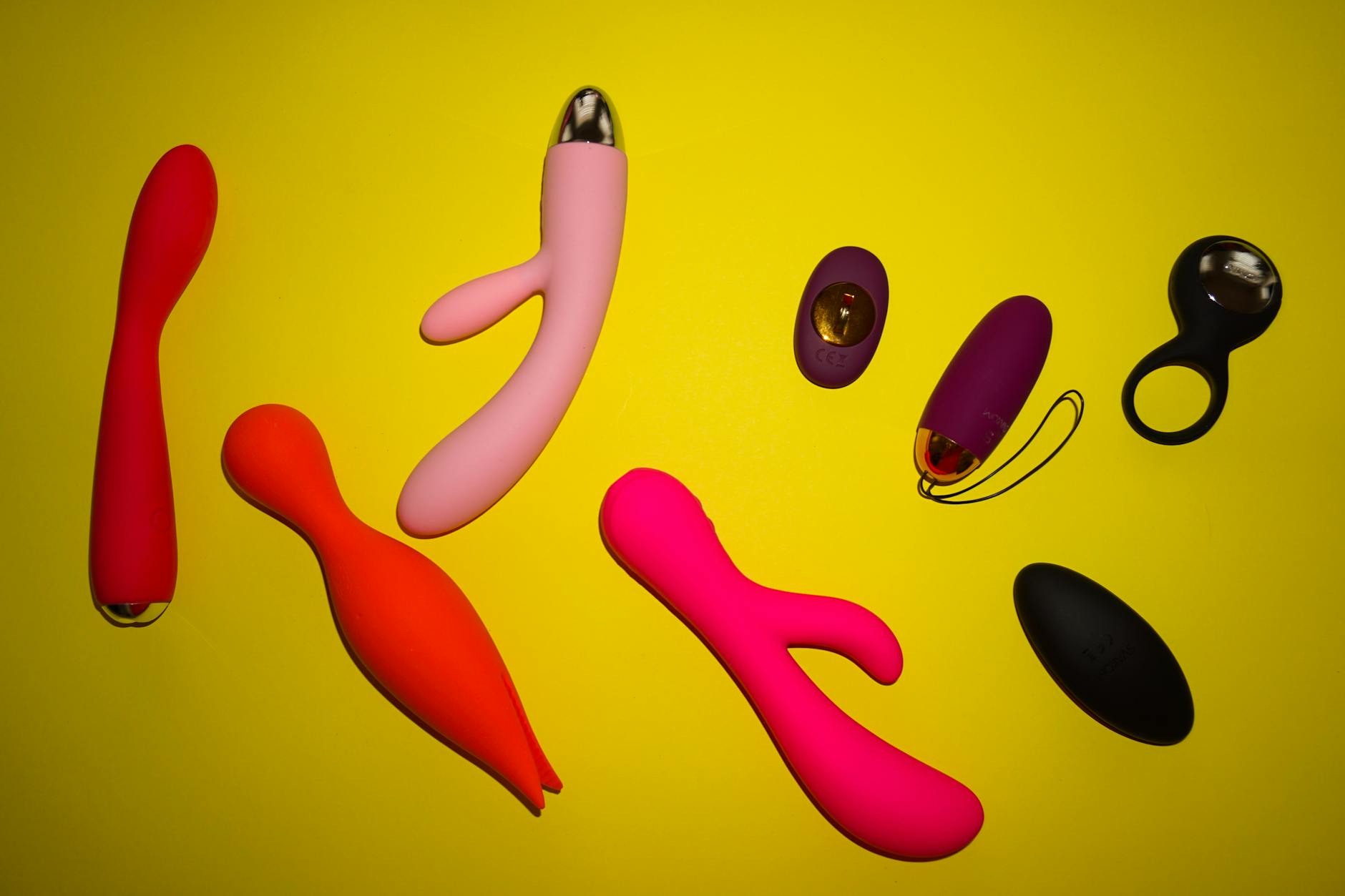
Using Lemon Vibrators When Your Partner Has a Low Libido
Desire mismatch is brutal. But it's not a dead end. Here's how clitoral vibrators can rebuild intimacy when one partner wants more and the other's pulled back.
One of you wants sex. The other doesn't. Or wants it less often. Or wants it in ways that don't align. And now the partner with higher desire is walking a tightrope. You're trying not to feel rejected. You're trying not to pressure. You're trying to stay connected while managing disappointment. It's exhausting.
The person with lower desire isn't lazy or broken either. Life stress, hormones, medications, depression, relationship tension, or just a difference in baseline drive can all flatten sexual interest. Knowing that intellectually doesn't fix the loneliness you feel.
Here's what I tell couples in my practice: a lemon vibrator isn't a workaround. It's a bridge.
When you fight, you can make up. When you're stressed separately, you can plan quality time. But desire mismatch sits in a weird zone. It's not something you solve with communication alone, because one of you genuinely doesn't want sex right now and the other does. No amount of talking changes that biological reality.
What makes it worse is the story you tell yourself. The higher-desire partner thinks, "They don't want me." The lower-desire partner thinks, "I'm letting them down." Both feel wrong. Both are incomplete.
A clitoral vibrator like The Lem becomes useful because it decouples two things that shouldn't be welded together. Pleasure and partnership. Orgasm and obligation. When your partner isn't interested in sex, but you are, you don't have to choose between suffering and resentment.
Before you bring a lemon vibrator into bed, you need to name what's actually happening. Not with accusation. With curiosity.
"I've noticed we haven't been as connected sexually. I'm not angry. I'm worried. Can we talk about what's going on for you?"
That question matters because sometimes low libido isn't about the relationship. It's medication. Burnout. Hormonal shifts. Depression. Undiagnosed sleep apnea. A previous partner's infidelity still sitting unprocessed. If you don't know what you're working with, you're swinging blind.
If it's the relationship, say that too. "I feel distant from you lately, and I think that's affecting how interested I am in sex." That's valuable data.
Once you know what you're working with, the conversation becomes: "I need pleasure to stay connected to you. I'd like to find a way to do that together, even if sex looks different for a while. I'm thinking about using a vibrator. Would you be willing to be in the room while I do?"
Say your partner agrees. You pull out The Lem. You start using it. Three things shift:
First, the pressure lift. They're not responsible for your orgasm. That's not on them anymore. This alone often reignites curiosity because nobody wants to feel blamed for their body's functioning. Removing blame opens space for actual desire to emerge.
Second, you stay connected instead of pulling apart. When one partner's sexual needs go unmet, couples separate. One buys a vibrator and uses it alone. The other feels excluded or relieved, depending. Using it together keeps you in the same room, the same bed, the same intimate space. You're not pretending desire doesn't exist. You're honoring it within the reality of where they are.
Third, watching changes things. For the lower-desire partner, witnessing their partner's pleasure is often a doorway back into their own. Not obligation, not guilt. Actual arousal. Neuroscience backs this up. Desire is contagious. If you're watching someone you love experience real satisfaction, something in your own nervous system starts to wake up. Maybe not every time. But sometimes.
Start small. You don't need a whole ritual. Set up for bed like normal. Maybe dim the lights. Use lube if that helps. Tell them what you're about to do. "I'm going to use The Lem while we're together. You don't have to do anything. You can touch me, watch, or just be here." That's it.
The Lem works well in couples situations because the suction sensation is different from what hands can do. It's not trying to mimic what a partner would do. It's its own thing. That distinction matters. It doesn't feel like a replacement. It feels like an addition.
If they want to participate, there's room for that. They can hold you. Kiss you while you use it. Use it on you. But the bar is just them being there. That's the whole ask.
Don't perform for them. Don't make it a show. Just use it the way you would alone, except they're witnessing it. That vulnerability is part of what rebuilds trust when desire has fractured.
If they're not ready to be in the room, that's information too. It might mean they're embarrassed about their own low libido. It might mean they need more time. It might mean the relationship tension runs deeper than you thought.
Respect the no. But also don't stop pursuing the conversation. "I hear you. I'm not going to push. But I want us to figure this out together because I don't want to feel disconnected from you." Then follow through. See a couples therapist. Sometimes a neutral third person can help name what's actually blocking desire.
If the no is absolute and permanent, that's a different conversation. About whether the mismatch is workable for both of you. That's not a vibrator problem. That's a compatibility problem.
I've watched couples get unstuck this way. The partner with lower desire sees their partner use a lemon vibrator, sees the relief and pleasure, and something shifts. They realize the relationship isn't broken. They're just in a season where desire looks different. Sometimes that season passes. Sometimes it's permanent, and they rebuild intimacy on a new baseline.
The key is that the vibrator becomes a tool for honesty, not avoidance. You're not using it to pretend the mismatch doesn't exist. You're using it to stay connected while the mismatch exists. That's a completely different energy.
Desire mismatch is one of the hardest things couples navigate because it touches abandonment, rejection, and worthiness. It's not simple. But it's also not unique. Most long-term couples face it at some point. A clitoral vibrator won't fix a broken relationship. But it can keep you from breaking further while you do the actual work of reconnecting.
The Lemon Toys vibrators are designed to feel different from fingers or traditional vibrators. That difference is part of why they work in couples situations where desire is mismatched. It's not trying to replace your partner's touch. It's asking to exist alongside it.
If you're in this spot, don't wait. Have the conversation. Name it. Then decide together how you want to move forward. A vibrator might be part of that. It might not. But honesty will always be.
It can, if you frame it wrong. If you say, "I need this because you're not enough," yeah, that stings. But if you say, "I need this because I need pleasure and I want to share that with you," it's different. The vibrator isn't a replacement. It's a tool you're using while you both figure out how to rebuild desire. Most people feel more secure when their partner is honest about their needs instead of quietly resentful.
Then a lemon vibrator alone isn't going to fix it. But it can be a first step. Using it together can be less threatening than diving straight into partnered sex. It's a way to say, "I still want this with you," without putting pressure on them to perform. Then you work on why the years of nothing happened. Usually, it's not actually about low libido. It's about disconnection, resentment, or unresolved hurt. A vibrator doesn't solve that. But it can be part of reigniting the conversation.
Absolutely. Not like you're asking for forgiveness. Just like, "I'd like to try something. Are you open to it?" Consent matters here. So does curiosity from both sides. If your partner says no, pushing forward will make things worse. Respect the boundary and explore why the boundary exists.
Sometimes. Antidepressants suppress desire in some people, which is a real and documented side effect. A vibrator can help you meet your own needs while you work with their doctor on whether switching medications makes sense. But the vibrator is a band-aid. The real fix is usually medical. Talk to their prescriber. There are options.
Then the vibrator isn't the actual problem. The problem is insecurity or a deeper belief that if you're not having sex, the relationship isn't working. That needs to be unpacked separately. A vibrator is just a tool. Your partner's worth isn't tied to whether you need one. Help them understand that.
Lead with your own need, not their failure. "I'm struggling without this kind of physical connection. I love you and I want to stay close to you. I'm thinking about using a vibrator as part of that. I'd like you to be open to exploring it together." That's not blame. That's honesty and an invitation.