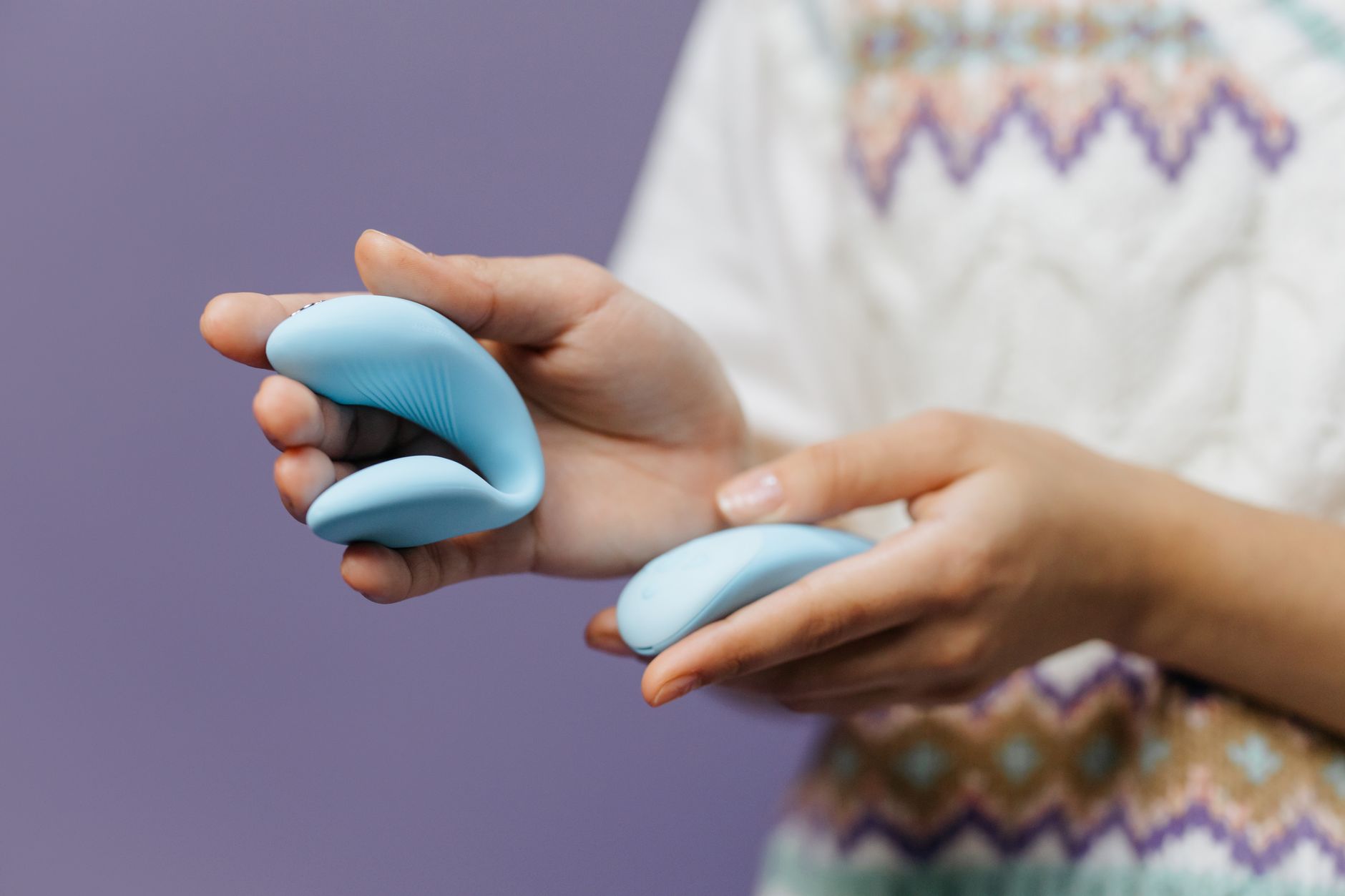
How to Use Lemon Vibrators When You Have Reduced Sensation From Aging
Aging changes how sensation arrives at your nerve endings. It does not erase your capacity for pleasure. Here's what actually happens, and why air-suction clitoral vibrators work so well for reduced sensitivity.
Reduced sensation as we age is not a myth, not a failure of your body, and not something you need to accept in silence. It's a measurable physiological shift that happens to most people. And here's the part nobody tells you: it's also one of the easiest changes to work with when you have the right tools.
I've spent decades working with couples navigating midlife transitions, and the conversation around aging and sensation comes up constantly. Most people arrive at my office believing one of two false things: either that their pleasure days are behind them, or that something has gone mysteriously wrong with their body. Neither is true. What's happened is that your nerve density, blood flow patterns, and hormonal landscape have shifted. All of these are addressable. Many are reversible.
Three things happen in the body that reduce how quickly and intensely you feel pleasure:
Nerve sensitivity flattens. The clusters of nerve endings that transmit sensation to your brain don't disappear, but they become less responsive. It's like the volume on a speaker turning down, not the speaker breaking entirely.
Blood flow slows slightly. Arousal depends partly on increased blood flow to sensitive tissues. As we age, circulation becomes more gradual, which means the rush of sensation that used to arrive in seconds might now take a few minutes.
Hormones shift. Estrogen, testosterone, and other hormones that amplify sensation gradually decline. This happens to everyone regardless of gender, though the timeline and intensity vary widely.
Here's what doesn't change: your brain's capacity to process pleasure, your desire for it, or your ability to orgasm. Those neural pathways remain intact. The mechanism has simply become quieter.
Most vibrators work by delivering rapid vibration directly to tissue. If your sensation is already muted by age, more vibration often means working harder to feel something, or feeling frustrated that the intensity isn't matching your effort.
Lemon clitoral vibrators, including the Lemon Toys line, use a different mechanism: air-suction technology. Instead of vibrating against the clitoris, they create gentle suction and release patterns that stimulate the entire nerve cluster indirectly. Think of it as speaking louder through a microphone rather than shouting at someone with hearing loss.
For reduced sensation, this matters because:
Air suction activates a broader nerve network than direct vibration.
The sensation arrives as a pulse rather than a constant buzz, which actually feels more distinct when your nervous system is quieter.
You can feel the effect clearly without needing to turn intensity to maximum.
The mechanism works brilliantly alongside the body's own arousal response, amplifying it rather than overpowering it.
Many of my clients report that lemon sexual toys, and the Lemon Clitoral Vibrator specifically, deliver sensation they haven't felt in years. That's not because the toy is magical. It's because the technology is calibrated to how aging bodies actually work.
When sensation has been muted for a while, your nervous system needs a moment to wake up. This isn't metaphorical. The sensation pathways are still there, but they're quieter. The first few times you use a lemon clitoral vibrator with reduced sensation from aging, you might feel less than you expect, then suddenly more.
That's normal. Your body is recalibrating. Budget three to five sessions before deciding how the toy actually works for you. During that time:
Start at the lowest suction setting. Most lemon vibrators have multiple intensity levels. Begin at 1 or 2, even if you're tempted to go higher. The sensation will build as your nerve endings wake up.
Give yourself 10 to 15 minutes of warm-up. Reduced sensation often means arousal takes longer to build. That's not a problem, it's just the timeline. Extend your foreplay window. Let yourself get mentally and physically aroused before introducing the toy.
Use lubrication even if you didn't used to. Aging affects tissue moisture. A good water-based lube isn't a sign that something is wrong. It's a tool that reduces friction and actually increases sensation by letting the suction mechanism work more effectively.
Notice what shifts, not just intensity. You might find that sensation arrives as a warming feeling, or a specific tingling, or a pulsing sensation that's different from what you remember. That's your nervous system adapting. Pay attention to it instead of comparing it to how it used to feel.
When sensation is reduced, the way you position your body actually matters more than it did before. Small changes can mean the difference between feeling something and feeling nothing.
Recline rather than lie flat. Gravity affects blood flow. A slight recline, either on pillows or in a supported chair, increases circulation to your genital area compared to lying completely flat.
Give yourself time to build arousal mentally first. Read something, watch something, think about something. Let your mind be engaged before your hands are. Reduced sensation means you need the full cascade of arousal, not just the mechanical part.
Warm the toy. A lemon sucker or other lemon vibrator that's been sitting in a cool room will feel less intense against warm skin than one that matches your body temperature. Hold it in your hands for 30 seconds, or run it under warm (not hot) water.
Use it during the part of your cycle or routine when sensation is naturally highest. If you still menstruate, sensation peaks just before ovulation. If you don't, find the time of day when you feel most awake and energized. Afternoon might work better than night if you're tired.
Once your nervous system settles into using a lemon vibrator, most people report that sensation actually becomes more nuanced than it was with traditional toys. Air-suction technology creates a kind of building pressure and release that many describe as more complex and satisfying.
You might also notice that you need less intense settings to achieve orgasm, which can mean longer sessions with less fatigue. Some of my clients find they experience multiple orgasms more easily with lemon clitoral vibrators than they ever did before. Not because something magical happened, but because the technology works with how their aging body's nervous system actually functions.
Reduced physical sensation often arrives with a mental story: that your best days are behind you, that you're supposed to accept decline, that asking for something different is somehow wrong. None of that is true, and all of it is worth examining.
Your pleasure at 50 or 60 or 70 matters just as much as it did at 25. Your body's changes are not a punishment. And reaching for a tool like a lemon clitoral vibrator is not settling. It's being intentional about your own experience.
One of the most powerful conversations I have in my practice is with people who stop comparing their current sensation to their past sensation and start asking: what do I want to feel right now? That shift alone often restores sensation in ways that no toy can. The toy amplifies it, but the permission to want it is where the real change begins.
Most people notice some change within three to five sessions. Meaningful, consistent improvement usually appears within two to three weeks of regular use. Your nervous system learns and becomes more responsive over time. If you're not noticing anything by week three, adjust your warm-up time or try a different intensity level. Patience here actually builds sensation faster than forcing it.
Not to exactly what it was, but it can improve significantly. The nerve endings don't regenerate, but they do become more responsive with stimulation and arousal. Many people find their sensation more stable and predictable once they've stopped comparing it to the past and started working with what their current body needs.
For most people with aging-related sensitivity loss, yes. Air-suction technology activates a broader nerve network than vibration alone. That said, everyone's body is different. Some people respond better to different technologies. The point is to experiment with tools designed for reduced sensation specifically, rather than assuming you need maximum intensity across the board.
Three to four times a week is usually ideal for building consistent responsiveness without fatiguing your nerve endings. More frequent use doesn't always mean more sensation. Think of it like a muscle that needs rest to strengthen.
Yes. Blood pressure medications, antidepressants, and other common drugs can change how your body responds to stimulation. If you've noticed sensation changes since starting a medication, mention that to your doctor. Sometimes adjusting the dose or timing helps. A good lemon clitoral vibrator can often compensate for medication-related changes, but knowing what you're working with matters.
Don't panic. Your nervous system might need more warm-up time, your positioning might be off, or you might need a lower intensity level to begin with. Try three more times with a longer arousal phase, better positioning, and a warmer toy before deciding it's not working. Reduced sensation means your body is sending quieter signals, not no signals. Sometimes it takes a few sessions to hear them.
Aging changes your body. It does not diminish your worth, your desire, or your right to pleasure. A lemon vibrator isn't a consolation prize for getting older. It's a tool that meets your body where it actually is, not where you wish it were. That's a win.
If you're curious about how The Lemon Toys products might work for you, or if you have questions about navigating pleasure as you age, I'm here. Reach out anytime at /contact.