You're on the medication that changed your life. Your mood stabilized. Your blood pressure dropped. Your anxiety finally eased. And then you realized you can't orgasm anymore. Or sensation feels like you're touching the world through a thick blanket. Or desire just... vanished.
This isn't in your head. Sexual side effects from medication are real, common, and almost never discussed during your initial prescription conversation. Somewhere between 40-60% of people on SSRIs, SNRIs, or certain blood pressure medications experience some form of sexual dysfunction. That's not a small percentage. That's most of us.
Here's what I tell clients: this is not a choice between your mental health and your pleasure. There's a third path, and it usually involves rethinking how you approach stimulation.
Different drugs work different ways. SSRIs (like sertraline or fluoxetine) increase serotonin, which is great for mood but can dampen dopamine in the pathways that trigger arousal and orgasm. Some blood pressure medications reduce blood flow to the genitals. Hormonal treatments can tank testosterone. Antihistamines dry out mucous membranes. Certain pain medications? They literally interrupt the brain's pleasure-signaling.
The result is the same across the board: your body still works, but the signal is quieter.
This matters because it changes what kind of stimulation actually gets through. Traditional vibrators work through vibration alone. That works fine when you have baseline sensation. When medication has dimmed things down, you need something with more intensity and a different mechanism entirely.
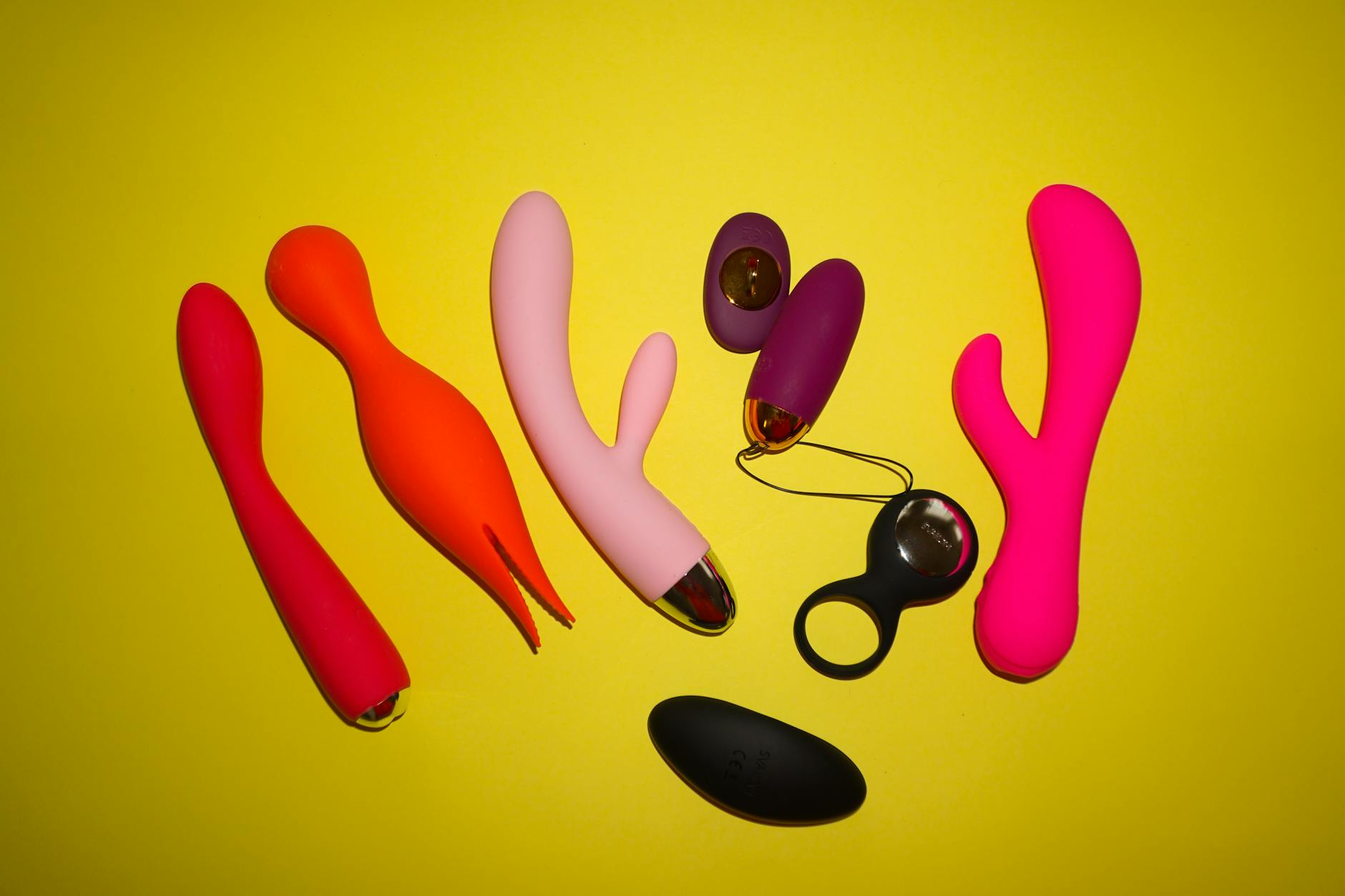
That's where air-suction lemon clitoral vibrators come in.
A lemon sucker (also called an air-pulse or suction vibrator) doesn't just vibrate. It creates rhythmic suction and release, stimulating a much wider surface area of nerve endings at once. Think of it less like a vibrator and more like a focused, pulsing massage.
Here's the practical difference: if medication has reduced your sensation by about 40%, a traditional vibrator still only reaches you at 60% intensity. A lemon clitoral vibrator reaches you at maybe 85% because it's working with a different sensory pathway. It's not trying to thread a needle through numbed sensation. It's creating an experience that's harder to miss entirely.
I've had clients on SSRIs, on beta-blockers, on metformin with sexual side effects, and on hormonal IUDs all report the same thing: lemon sexual toys worked when other tools didn't. Not because they're magic. Because the mechanism actually matches the problem.
When you're already numb, the temptation is to crank intensity to maximum immediately. Don't.
Your nervous system still responds to stimulation. It just needs a gentler entry point. Start at setting one or two on your lemon vibrator, and spend 2-3 minutes there. You're not trying to orgasm yet. You're mapping what you can actually feel.
Many people discover that the lowest pulses of a lemon sucker are actually more effective than the high settings because they're teaching your body to recognize subtle sensation again. It's like recalibrating a dimmer switch that's been stuck on low.
Once you've spent a few sessions at lower settings, you can experiment upward. But honestly, a lot of people find their sweet spot at medium settings and stay there. That's completely fine.
Medication often dries things out. Some drugs do it directly (antihistamines, certain antidepressants). Some do it indirectly by reducing arousal, which usually triggers natural lubrication.
Water-based lubricant isn't optional here. It's part of your setup, like a phone charger. Use it generously, reapply during longer sessions, and don't view it as a sign something's wrong with you. Your body is responding exactly how it should to medication that's managing something important.
Silicone-based lubes feel richer and last longer, but most lemon vibrators are silicone, so you'll need to check compatibility. Water-based is the safe choice.
Medication can flatten your natural arousal cycle. You might not feel the ramping-up sensation that usually leads to wanting sex. So you wait for desire to arrive, it doesn't, and you assume you're broken.
What works better: decide you want to use your lemon vibrator, start using it, and let sensation build. You're not waiting for desire to show up and give you permission. You're creating the conditions that invite sensation in.
This is different from how pleasure worked before medication. It's not worse. It's just different. Some people actually prefer it because it's more intentional and less dependent on external circumstances.
Spend at least 10-15 minutes once sensation starts building. Medication typically slows the arousal escalator, so you need runway. Rush it, and you'll hit the ceiling before you've actually climbed much.
Not every sexual side effect requires a medication change. But some do warrant a conversation with your doctor.
If you're on an SSRI and sex drive has completely flatlined, ask about timing your dose. Some people take SSRIs at night so daytime sensation recovers slightly. Others switch to a different SSRI with a lower sexual side effect profile (bupropion is famous for actually improving libido, though it doesn't work for everyone).
If you're on blood pressure medication and erection or lubrication is the main issue, your prescriber might adjust the dose or switch class. If testosterone has tanked from hormonal treatment, that's also something worth flagging.
The key conversation starter: "Medication X is helping my [mood/blood pressure/symptoms], but I've noticed sexual side effects. Are there alternatives or adjustments we could try?"
Most doctors know this is a real problem and have options. You just have to name it.
If you're in a partnered relationship and medication has changed your sexual response, the toys become part of how you reconnect, not a workaround that feels like failure.
Here's what helps: frame it to your partner as "this helps me access sensation faster, so we have more time together and I feel less frustrated." That's true. It recontextualizes the lemon vibrator from "oh, they need this because something's wrong" to "this is how we make this work for both of us."
Some people's bodies adapt to medication over weeks or months. Sensation might partially return even as the drug keeps working for its primary purpose. Some don't. Some find that adjusting expectations and tools (like adding a lemon sucker to your routine) is the lasting solution.
All of these are normal. There's no timeline you're supposed to hit. If medication keeps you mentally stable or physically healthy, and a lemon clitoral vibrator helps you access pleasure, that's a win.
You didn't lose your capacity for pleasure. The pathway just got narrower. The right tools make it passable again.
Yes, and honestly, it's often more helpful when you're on multiple drugs that each dampen sensation slightly. The cumulative effect is more numbness, but a lemon sucker's mechanism is usually powerful enough to cut through that. Start at lower settings to see how your body responds, then adjust upward.
It varies wildly. Some people feel subtle sensation within a few minutes on setting two or three. Others need 10-15 minutes and settings four or five. There's no normal here. What matters is that you're not forcing intensity to reach a number on a dial. You're exploring what works for your body right now.
No. Never stop psychiatric medication without talking to your prescriber first, and "I want to have orgasms again" is actually a reason worth discussing with them, but it's not a reason to quit cold turkey. There are too many safer options to explore first. Your mental health matters. Your pleasure matters. You don't have to choose.
Maybe. Some people switch from SSRIs to bupropion and report major improvements. Others switch and notice zero difference. Some notice changes after weeks or months. Your prescriber can help you weigh the pros and cons of switching versus staying and adapting with tools like lemon vibrators.
Partially. A lemon sucker can create physical sensation that sometimes reignites interest once you're already engaged. But if medication has completely flattened desire and that's distressing, that's worth flagging to your doctor separately. It might be a timing issue, a dose issue, or it might require adding something else to your regimen. Don't rely on a toy alone to solve this one.
Completely normal. Some people on SSRIs find they need settings five or six on a lemon clitoral vibrator where they might have used setting three or four before medication. Your body isn't broken. Medication just changed the volume dial on sensation. Adjust your tool accordingly.
Medication saved your life or improved it significantly. That matters. Pleasure also matters. And the fact that medication has made pleasure harder doesn't mean you have to choose between them.
A lemon vibrator isn't a Band-Aid on a broken system. It's a tool designed for exactly this situation. Sensation that's been dampened responds to mechanisms that older vibrators weren't built for. You're not settling for less pleasure. You're using something that actually works with your body as it is right now.
Start low, be patient with the time commitment, and talk to your prescriber if side effects are severe enough to warrant a medication adjustment. Most of the time, it's a solvable problem.
Your pleasure deserves that kind of problem-solving.