Illness and surgery change your body in ways that aren't always visible. Energy drops. Sensation shifts. Comfort zones get redrawn. And somewhere in the middle of all that, you're wondering if sex is even on the table anymore or if you need to completely reimagine what pleasure looks like.
Here's what I've learned from working with couples navigating recovery: your body isn't broken, and your desire hasn't disappeared. It's just asking for a conversation.
When you're recovering from surgery or significant illness, several things happen at once. Scar tissue forms and can create numbness or, sometimes, unexpected sensitivity in nearby areas. Your nervous system is essentially recalibrating. Pain medications, antibiotics, and other treatments can temporarily mute sensation. Your energy budget is smaller, which means arousal takes longer to build and intensity needs to feel manageable.
Then there's the psychological layer. You might feel disconnected from your body because you've spent weeks or months focused on what it can't do. Relearning pleasure isn't just physical. It requires permission and patience with yourself.
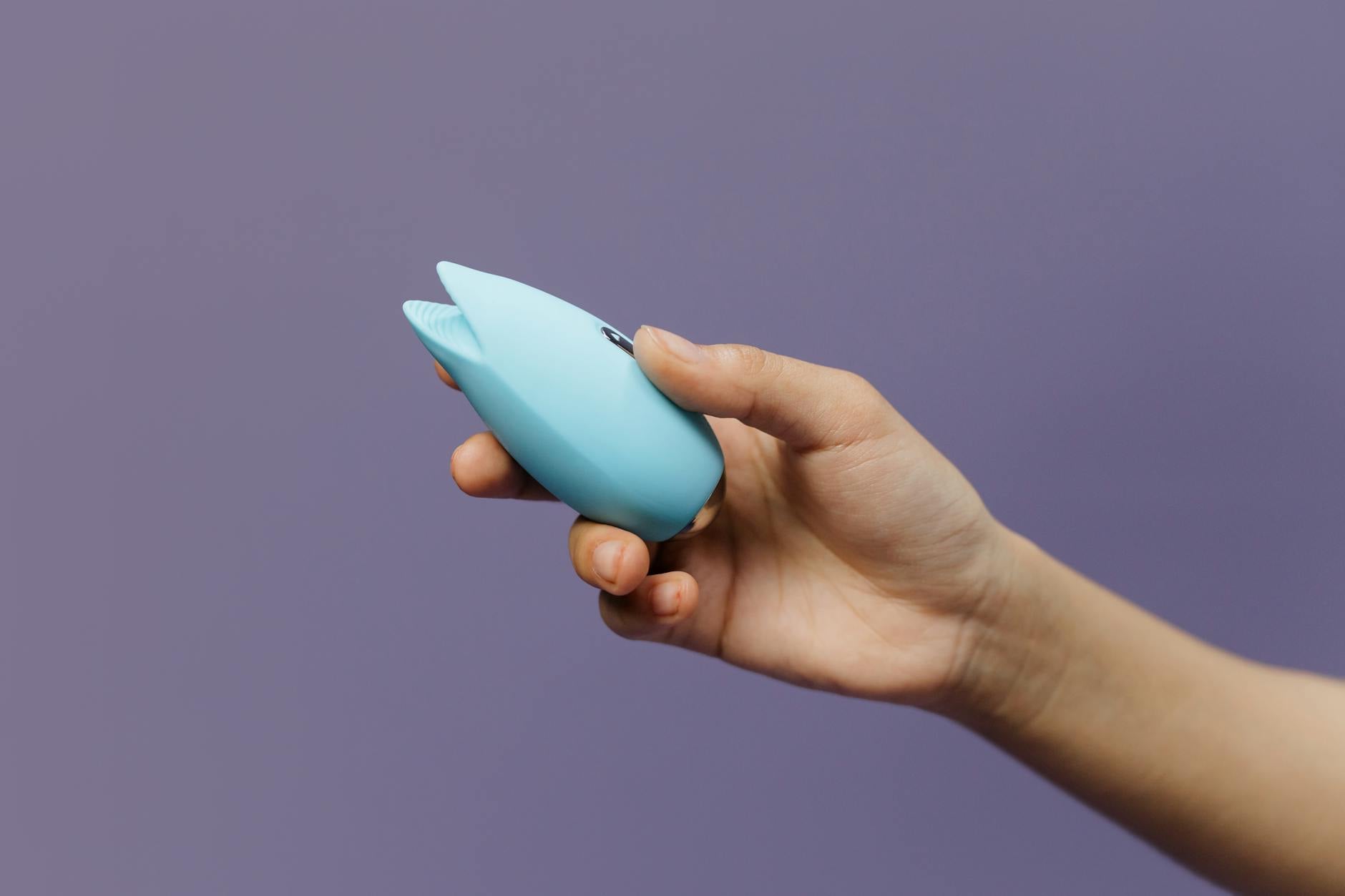
Lemon vibrators, particularly air-suction tools like The Lem, work remarkably well during this recalibration because they offer graduated intensity without the shock of traditional vibration. You control the pressure and patterns entirely.
Start with the lowest setting, every time. If you're using a lemon clitoral vibrator for the first time during recovery, pattern 1 or 2 on The Lem is your baseline. Your nervous system is relearning sensitivity. Too much intensity too fast creates overwhelm, not pleasure.
Layer lubrication generously. If you've had abdominal surgery, pelvic surgery, or spent weeks immobilized, tissue dryness is real. Water-based lube isn't a sign of failure. It's a tool. Use more than you think you need.
Timing matters differently now. Build in 20-30 minutes for arousal, even if you're touching yourself alone. Your body might need longer to signal readiness after illness. That's not weakness. That's healing.
Check in with movement. Some positions that felt neutral before surgery might pull on scar tissue or create discomfort you didn't expect. Lying flat, side-lying, or reclined positions often work better than seated during early recovery. Test what feels good without agenda.
This is one of the most frustrating parts of recovery, and it's also one of the most common. You might feel almost nothing at first, and that can feel terrifying.
First: this is temporary in most cases. Nerves regrow slowly. Numbness from surgery typically improves over weeks or months, sometimes longer, but it does improve.
Second: you can work with it. If clitoral sensation feels completely flat, try broadening the area of focus. Instead of direct clitoral contact, use the suction setting of The Lem on the entire vulva. This stimulates the nerve network more widely and sometimes bypasses the numb patch entirely.
If you've had abdominal surgery or pelvic radiation, internal sensation might feel muted too. That's harder to work around, but not impossible. Exploring external sensation first, with patience, often brings internal sensation back online.
Some people experience the opposite problem: recovery makes tissues feel hypersensitive. A touch that used to feel good now feels sharp or irritating.
With lemon vibrators, this is easier to manage than with traditional toys. You can use the gentlest suction setting, which spreads pressure over a wider area instead of vibrating one spot intensely. You can also use it over underwear or through a thin layer of fabric initially, which buffers the sensation without completely muting it.
Scar tissue can create hypersensitivity in surrounding areas. If direct clitoral touch feels too intense, try stimulating the labia or mons instead. The nerve pathways overlap, and you might find pleasure in an unexpected location.
Here's what nobody tells you: pleasure during recovery isn't just about physical sensation. It's about reclaiming your body as yours again.
After illness or surgery, your body has been managed by doctors, nurses, and your own anxious thoughts for weeks. Choosing to pleasure yourself is a radical act of ownership. It says, "This body is mine. This body still deserves to feel good."
That mindset shift matters more than the technique. When you're using a lemon vibrator during recovery, you're not trying to recreate pre-illness pleasure. You're discovering what pleasure looks like in your healed body.
If you're in a relationship, this also needs its own conversation. Your partner might feel scared to touch you. You might feel scared of pain or re-injury. Using a vibrator alone first, on your own timeline, can ease both of you back into comfort.
Full recovery of sensation and comfort typically takes longer than you think. After major surgery, expect 6-12 weeks before exploring pleasure feels neutral. After serious illness, it might take months for energy and sensation to feel baseline again.
That doesn't mean you can't start earlier. But starting with realistic expectations helps. Week two after surgery, a gentle few minutes with The Lem on the lowest setting might be exactly enough. By week six, you might explore longer sessions or higher intensity. By week twelve, you're probably back to something resembling normal, with new information about what your body enjoys.
Every recovery is different. Some people bounce back faster. Some need more time. Neither is wrong.
If pleasure feels painful rather than just different, mention it to your surgeon or GP. Sharp pain, persistent burning, or swelling are signals. So is sudden numbness that appeared months into recovery and feels like it's spreading.
Most of the time, sensation changes during recovery are normal. But "most" isn't "all," and your medical team needs to know what you're experiencing.
If you're unsure whether something is healing normally or a sign of complications, ask. That's literally what they're there for.
Recovery involves loss. Your body might work differently now. Sensation might be altered permanently, not just temporarily. Energy might be lower than it used to be.
You're allowed to grieve that while also finding new pleasure in your changed body. Both things are true at the same time.
Lemon vibrators work beautifully during this middle ground because they're flexible tools. They meet your body where it actually is, not where you wish it was.
Check your surgical clearance first. Most gynecologists clear penetrative activity at 6 weeks post-op, sometimes longer for major procedures. For external clitoral stimulation with a lemon vibrator, some people feel ready earlier, some need the full 6 weeks. Start only when your doctor says yes, then wait a bit longer if anything feels uncertain. There's no prize for rushing.
Yes, but carefully. Scar tissue is tender and sometimes hypersensitive initially. Start with the vibrator held several inches away or through underwear. Use the lowest intensity setting. If pain persists, that's your signal to wait longer or check with your surgeon. Pleasure should never hurt during recovery.
Numbness from surgery is normal and almost always temporary. Nerves regrow at about 1 millimeter per day, so full sensation can take months. During that time, try using the vibrator on surrounding areas, use lower suction settings, or explore through barriers like underwear. The stimulation helps nerves rewaken, even if you don't feel much yet.
Absolutely. Many couples find that introducing a vibrator during recovery actually eases anxiety because it puts control in the person recovering. Your partner can learn what feels good at your pace. It's a conversation tool as much as a pleasure tool.
Yes, sometimes. Depending on what happened surgically or medically, permanent sensation changes are real. But "different" isn't "gone." Many people find that exploring their changed body with lemon clitoral vibrators unlocks new types of pleasure they didn't expect. Your healing body deserves that discovery.
That guilt is real and incredibly common. Somewhere in recovery, you're supposed to feel pure gratitude that you survived or healed. Adding pleasure to that can feel greedy or inappropriate. It isn't. Reclaiming your body as a source of joy is part of healing, not separate from it. You deserve to feel good.
Your body after illness or surgery isn't a broken version of your old body. It's your body now, with new information and sometimes new boundaries. Lemon vibrators adapt to that reality without judgment. They meet you at sensation level one and let you build from there.
Recovery is long and nonlinear. Pleasure during recovery is one small part of reclaiming yourself. Start small, be patient, and remember that your pleasure matters as much now as it ever did.
If you have questions about how to navigate recovery and intimacy with a partner, reach out. That's what I'm here for.