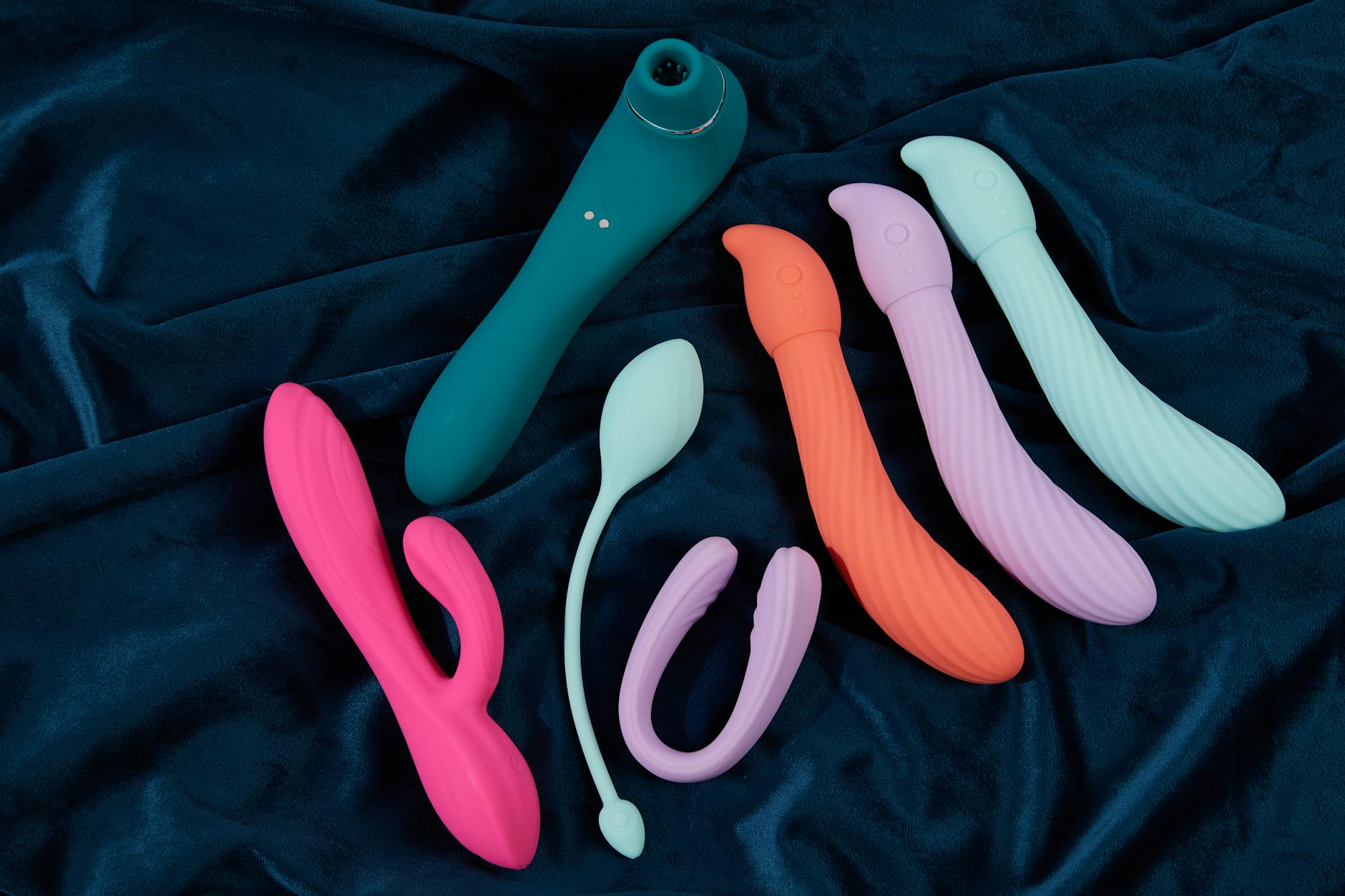
Your clitoris has gone quiet. Maybe it never fully wakes up anymore. Maybe you can feel touch, but it's distant, like there's a wall between sensation and response. You're not broken. Clitoral numbness is one of the most common things people don't talk about, and it responds to lemon vibrators in ways traditional vibrators often can't.
Here's what you need to know: numbness isn't usually about the nerves dying. It's about neural pathways that have stopped firing, tissue that's lost sensitivity, or stimulation patterns your body has gotten used to. All of those are reversible.
1. Repetition and adaptation. Your nervous system is brilliant at tuning things out. If you've used the same vibrator at the same intensity for years, your clitoris has learned to ignore it. This is called sensory adaptation. Your touch receptors are still there. They're just not signaling anymore because the stimulus has become predictable noise.
2. Medication or hormonal shifts. Antidepressants, birth control, hormone replacement, and even thyroid medications can dampen sensation. So can menopause or perimenopause, which I've covered in depth in my earlier writing on how lemon vibrators restore sensation after hormonal changes. If the numbness appeared suddenly around a medication change, that's worth asking your doctor about.
3. Tension and disconnection. This one's less obvious. When you're stressed, grieving, or emotionally distant from your body (or your partner), blood flow to the genitals decreases. Arousal doesn't build. Sensation flattens. Your clitoris isn't injured. You're just not feeding it the neural traffic it needs to feel alive.
Traditional vibrators buzz. They're rhythmic, predictable, and after a while, your nervous system stops noticing them. Lemon suction vibrators work on a completely different principle. Instead of direct oscillation, they create a gentle pulling and releasing sensation that activates a different set of nerve endings.
The clitoris has two main types of sensory receptors: pressure sensors and vibration sensors. When you're desensitized, your vibration receptors have often checked out. Suction activates the pressure receptors. It's like you're waking up a different part of the nervous system.
Second, suction creates novelty. Because the sensation is different from what your body has been used to, it actually breaks through sensory adaptation. Your nervous system wakes up because this isn't the familiar buzz it's learned to ignore.
Third, suction feels more intense without actually being painful. The pressure builds slowly, and because it's spreading across tissue rather than concentrating on a single point, it often feels accessible and manageable even when direct stimulation feels like too much.
Start on pattern 1 or 2 of your lemon vibrator. You're not trying to orgasm. You're reintroducing sensation. Spend 10-15 minutes just noticing what you feel. If you feel nothing, that's fine. Keep going anyway. Sometimes sensation takes a few minutes to register. Sometimes it takes a few sessions.
Do this daily or every other day. Consistency matters more than intensity right now. You're rebuilding the neural pathway between your clitoris and your brain.
Week 2: Expand the range.
Once you're noticing sensation on the lowest settings, try moving to pattern 3 or 4. Still no pressure to orgasm. Extend your sessions to 15-20 minutes. Experiment with timing. Some people find morning sessions help because arousal comes faster. Others prefer evening when they have more time.
Week 3: Add breathing and mindfulness.
This is where the emotional piece shows up. While you're using your lemon vibrator, practice grounding. Feel your feet on the floor. Notice the texture of whatever you're lying on. Breathe slowly. Name three things you can see, hear, and feel. This sounds woo, but it's neuroscience. You're telling your nervous system that it's safe to feel again.
If you've been numb because of disconnection, this step is crucial. Sensation returns fastest when you're present.
Week 4: Explore patterns and positioning.
Now you can play. Try different patterns. Try angling the clitoral vibrator slightly differently. Some people find that indirect stimulation (putting the lemon suction vibrator slightly off to the side rather than centered) feels more intense and rewarding.
Your sensation might not return in a straight line. You might feel responsive for a few days and then numb again. That's normal. Your nervous system is rewiring. There will be setbacks.
Don't fall back into the old pattern of chasing intensity. That's what numbed you in the first place. The goal is sensation, not orgasm. When you get fixated on coming, you activate the performance mindset, which literally reduces blood flow to your genitals. Weird but true.
If numbness is connected to depression or anxiety (which it often is), using a lemon vibrator alone won't fix it. Therapy, medication, movement, and connection all matter. Think of the vibrator as one tool in a bigger toolkit.
How long does this take? Usually 3-6 weeks for noticeable improvement. Some people feel the difference in days. Others take months. Medication-related numbness can take longer because you're working against a chemical shift, not just adaptation.
If you've been numb for years, your brain might need extra time to trust that sensation is coming back. Be patient.
If after six weeks you're not noticing any change, and the numbness appeared suddenly or alongside other symptoms (pain, discharge, mood shifts), check in with a gynecologist. Rarely, numbness signals nerve damage or a physical issue that needs actual medical attention.
If the numbness is specifically medication-related, talk to your prescriber. Sometimes switching drugs or adjusting the dose can help. Other times, you'll need to work with sensation as it is.
Clitoral numbness usually means your nervous system has been through something. It could be repetition, chemistry, stress, or disconnection. The lemon vibrator is an excellent tool for rewaking sensation because it's novel, manageable, and activates a different set of nerves than what you've been using.
But the real work is meeting your body with patience and presence. Sensation returns fastest when you stop pushing and start exploring. When you stop trying to feel and start noticing what's already there, even if it's small.
Your clitoris isn't broken. It's just sleeping. And the right tool, used the right way, can help you wake it up.
Rarely. Most clitoral numbness is either from sensory adaptation, which is completely reversible, or from medication or hormonal shifts, which usually improve when the underlying cause changes. Permanent numbness would require actual nerve damage, which is uncommon from toy use. If you're worried, get checked by a healthcare provider, but odds are high that sensation can return.
Yes. Numbness means you can't feel sensation. Anorgasmia means you feel sensation but can't reach orgasm. Numbness is often the easier problem to solve because once sensation returns, orgasm often follows naturally. They can overlap, but they're distinct issues.
No. The best fix for numbness caused by vibrator adaptation is to switch to a different type of stimulation. Traditional vibrators got you here. Lemon suction vibrators activate different nerve endings and break the adaptation cycle. Taking a break might help temporarily, but without reintroduction via a different sensation, numbness usually returns.
Timeline is your clue. If numbness appeared within weeks of starting a new medication, medication is likely the cause. Antidepressants (especially SSRIs), birth control with high progestin, and some blood pressure meds are common culprits. If you're unsure, ask your doctor if sexual side effects are a known issue with your medication.
Yes. Start at the absolute lowest setting and go slow. You won't feel much at first, but that's exactly the point. You're gradually waking up receptors that have quieted down. Sensation usually appears before you feel anything dramatic. It might start as awareness of pressure, or slight tingling, before evolving into something more noticeable. Keep going.
Yes, that happens. The clitoris is asymmetrical, and nerve pathways aren't perfectly balanced. You might naturally be more sensitive on one side. Or one area might have adapted faster than the other. Use your lemon vibrator to explore both sides without judgment. They don't have to match.
The research on sensory adaptation comes from neuroscience literature on habituation and nervous system plasticity. The clinical observation about suction vibrators activating different nerve pathways is supported by work on pressure versus vibration receptors in the clitoris, particularly in studies examining clitoral anatomy and sensation.
Medication-related sexual dysfunction is documented extensively in psychiatric and sexual health literature. If you suspect your medication is causing numbness, the Sexual Medicine Society and your healthcare provider can discuss options.
For more on how sensation shifts with aging and hormonal change, I've written extensively on how lemon vibrators work better for women with low libido or desire issues and on how to use lemon vibrators for first-time users over 35. Both cover neural and hormonal aspects of sensation in accessible depth.
If disconnection from your body is contributing to numbness, emotional and somatic therapy can help. A therapist trained in somatic experiencing or sex-positive talk therapy is your best bet for the psychological piece.