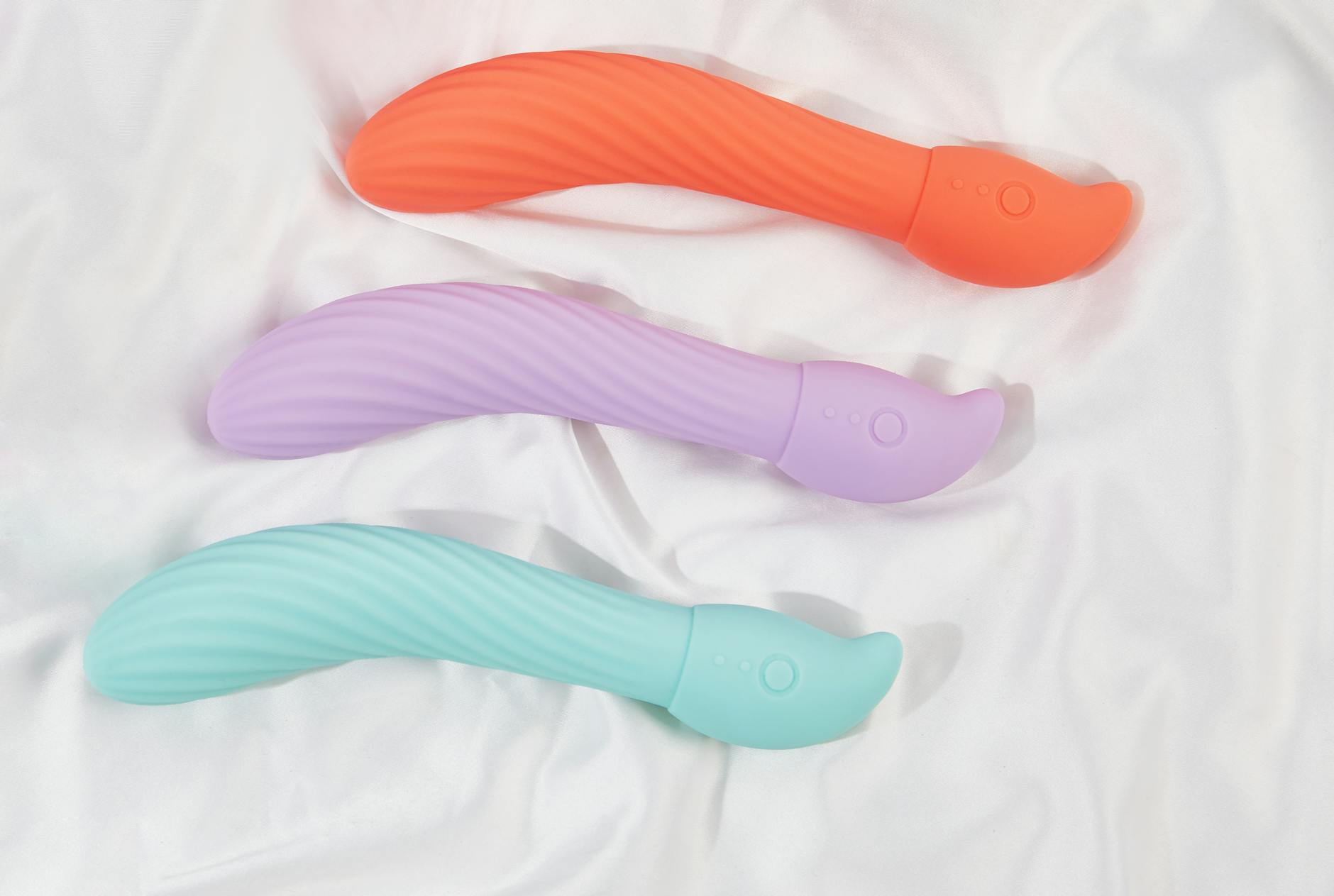
What injury actually does to sexual confidence
Between you and me, most recovery guides skip the part nobody wants to talk about. Yes, you'll regain physical function. But you won't automatically regain the feeling of being sexual. That's a separate conversation, and it matters just as much.
Injury creates a wound in your self-image. You've been told your body isn't reliable. You've spent weeks or months unable to move freely. You've watched your partner manage tasks you used to handle. That erodes something deeper than just physical capacity. It erodes your sense of sexual agency.
The good news is that restoring sexual confidence isn't about forcing yourself back into your old patterns. It's about rebuilding from a place of genuine safety.
Why lemon vibrators work differently during recovery
Here's what makes a lemon clitoral vibrator useful specifically for post-injury rebuilding. Most traditional vibrators demand friction and direct pressure. Your nervous system, after injury and the stress that follows it, often needs something gentler to relearn that touch means pleasure, not pain.
Lemon vibrators use suction and gentle pulsation instead of rattling vibration. That distinction matters because your nervous system can gradually acclimate to light sensations without the intensity spike that might trigger protective reactions or pain memory. You're not retraining broken tissue. You're retraining your brain's relationship with sensation.
The suction action also means you can control pressure with positioning, not just intensity settings. Some days you need barely-there contact. Other days your body is ready for more. A lemon vibrator adapts to where you actually are, not where you think you should be.
Starting the conversation with your partner
If you're in a relationship, this step often feels scarier than using the tool itself. Your partner might worry that introducing a vibrator means something is wrong. They might feel rejected or inadequate. That's not uncommon, and it's fixable with honesty.
Frame it around your recovery, not around them. "I want to start reconnecting with my body in a safe way, and I think this tool will help me get there" is different from "I need this because sex with you isn't working." One opens a conversation. The other shuts it down.
If your partner is willing, invite them into the early stages of your solo exploration. Not necessarily to participate, but to be present. Let them see you reclaiming your sexuality on your terms. That reframing often dissolves their anxiety and actually deepens the emotional reconnection.
How to build your own recovery practice
Start small and boring. Set aside 10 to 15 minutes when you're not already tired and there's no performance pressure. No partner waiting. No timeline. Just you and permission to stop whenever you want.
Begin with the lowest setting on your lemon vibrator. Touch the outer areas first. Thighs, pubic mound, the perimeter. Let your nervous system register that this sensation is safe and feels good. Most people rush to direct stimulation. Don't. Patience is the point.
Notice what happens. Tingling, numbness, the urge to tense up, genuine pleasure, nothing at all. There's no wrong response. You're collecting data about where your body is right now, not judging it.
Over several sessions, gradually move closer to more direct contact if it feels good. If at any moment your body tenses or old pain memories surface, stop. This isn't about pushing through. It's about respecting the protective mechanisms that kept you safe during injury.
Handling the emotional layers
Physical recovery is straightforward. Emotional recovery isn't. You might find yourself grieving the ease you had before injury. You might feel angry that you have to rebuild something that was working fine. That's not a sign the tool isn't working. That's grief doing its job.
Let it happen. Sexual confidence after injury doesn't mean bouncing back to exactly what you had. It means building something that fits who you are now. That takes time, and it requires tolerating some sadness along the way.
If you notice that the sadness is preventing you from exploring altogether, or if you're having intrusive thoughts about pain during these sessions, that's a sign to check in with your therapist. A lemon vibrator is a tool for physical and sensory reconnection. It's not a replacement for processing what injury did to you emotionally.
When to involve your partner again
Wait until you've had at least a few solo sessions where you felt genuinely good. You want to come to partnered activity from a place of
