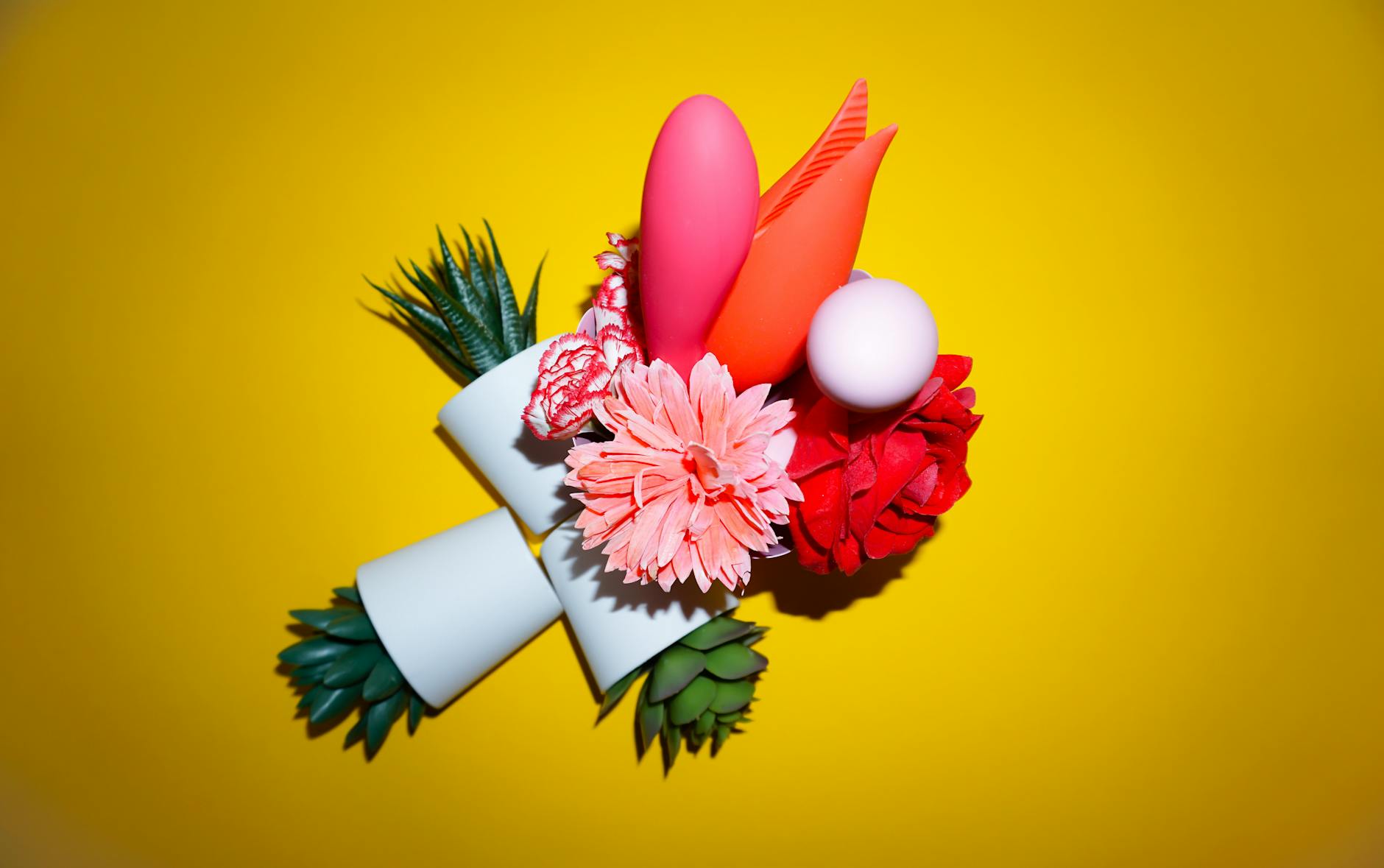
How to Use Lemon Vibrators When You're Single and Rediscovering Pleasure
Whether you're newly single, exploring solo play for the first time, or reconnecting with your body after a long partnership shift, this is what actually helps.
Solo play shouldn't feel like a consolation prize. And yet, for a lot of people coming out of long-term relationships or newly single seasons, it does. There's this weird cultural message that masturbation is something you do because your real sexual life isn't happening. That's backwards.
What I see in my practice is different. People who learn to pleasure themselves during single stretches often report deeper satisfaction with partners later, if partnership happens. They know their own body. They know what actually works. They're not relying on someone else to figure them out.
Lemon vibrators, specifically, change the solo play experience because they don't require the learning curve of traditional vibration. You're not adjusting to someone else's rhythm or waiting for your body to catch up. You're choosing a sensation that feels good, right now, and the suction mechanism does the rest.
If you're coming out of a long relationship, solo pleasure isn't just about sensation. Your brain has been wired toward partnership sex, or the expectation of it, for years. That rewires slowly.
Add to that: many people feel weird about their own bodies after a breakup. Whether it was emotional, physical, or both, there's often shame mixed in with the relief. The solution isn't to push past that. It's to approach solo play as curiosity, not performance.
A lemon clitoral vibrator helps because you're not negotiating sensation with a partner. You're not thinking about how you look. You're just sitting with what feels good, at your own pace, with no one else's expectations in the room.
Honestly, your environment matters more than you'd think. Not candles and rose petals (unless that's your thing). I mean: are you actually comfortable? Do you have time? Is your nervous system settled?
If you're in a shared house or anxious about being walked in on, that tension lives in your body. Your pelvic floor tightens. Arousal takes longer. The whole experience becomes about holding back instead of letting go.
Before you even pull out a lemon vibrator, create actual privacy. Lock the door. Put your phone across the room. Tell whoever needs to know that you're unavailable for thirty minutes. These aren't luxuries. They're prerequisites for your nervous system to relax enough to feel anything.
Then: start slow. Not "turn the vibrator on to intensity one." I mean spend five, ten, fifteen minutes touching yourself first. Not rushing toward anything. Just noticing what your hands feel like. What your breath does. Where tension lives in your body.
This matters because solo play after a gap (or for the first time) isn't about getting off fast. It's about relearning the language between you and your own body.
Lemon clitoral vibrators work differently than traditional vibrators. Instead of constant vibration, they use suction and pulsing. This means the sensation is gentler on sensitive tissue, and it actually mimics what feels better for a lot of bodies that have been through relationship transitions or hormonal shifts.
When you're using a lemon vibrator solo, you control everything. Pressure, speed, angle, duration. If it feels intense, you back off. If it feels numb, you shift position. You're not waiting for anyone. You're not performing. You're experimenting with your own pleasure.
Start at intensity one or two. Hold it against your clitoris gently, not pressed hard. You might feel resistance at first. That's normal. Your body is catching up to the idea that this is for you, that you deserve this time.
Many people report that the first few sessions with a lemon vibrator don't result in orgasm. You might just feel sensation. Warmth. Interest. That's not failure. That's your nervous system saying hello again.
After a few sessions, things shift. Your body starts anticipating pleasure again. You notice what turns you on. Maybe it's the rhythm. Maybe it's a specific pattern. Maybe it's thinking about something, or not thinking at all.
This is when solo play stops being mechanical and starts being actually pleasurable. You're not running through a checklist of what you're supposed to do. You're exploring what you actually want.
With a lemon sucker vibrator, that exploration feels safer because the sensation is contained and controlled. You're not dealing with the overstimulation or numbness that some traditional vibrators create. You're building a rhythm with your own body.
If you're adjusting after hormonal birth control changes or medication shifts, this exploration is especially valuable. Your body might respond differently than it did before. That's not a flaw. It's information.
Here's where I see people trip up. They start using a lemon vibrator to feel better after a breakup, which is fine. But then it becomes avoidance. Instead of sitting with sadness, they're reaching for pleasure. Instead of processing the relationship shift, they're numbing it.
Solo pleasure should be intentional. Not a habit you run on autopilot while doom-scrolling. Not a distraction from grief. It works best when it's scheduled time to reconnect with your body, to remember that you're a whole person with your own desires, separate from partnership.
I recommend thinking of it like exercise or meditation. Set a time. Show up. Notice what happens. If you have an orgasm, great. If you don't, that's also data. What was your body telling you? Were you tense? Distracted? Did you need to adjust position or intensity?
This kind of attention transforms solo play from a thing you do in the dark into something you're actually learning from.
A lot of people feel weird about masturbation. Whether it's religious messaging, family conditioning, or just cultural quiet around the topic, there's often some cringe sitting underneath.
Solo play with a lemon vibrator is a good place to practice letting that go. No one is watching. No one is judging. You're allowed to explore your own pleasure. You deserve to know what feels good in your body.
If shame comes up, sit with it for a minute. Where does it come from? What would it look like to set it down, even temporarily? You don't have to solve the shame. You just have to notice it's there and decide to proceed anyway.
Most people find that shame softens after a few intentional solo sessions. Your body starts to feel like your own again, not something you should be uncomfortable with.
There's no "right" time. Some people use them in the morning before work. Some prefer nighttime. Some find that weekly solo play is enough. Others want it more often.
What matters is that it feels good and it's working for you. If you're using lemon clitoral vibrators to avoid intimacy or connection, that's worth noticing. If you're using them to reconnect with joy in your own body, that's the kind of self-care that actually matters.
Many people also find that solo play informs partnership sex later. You know what intensity you like. You know where your body is sensitive. You're not waiting for a partner to figure you out. That changes everything about how sex goes down.
This shouldn't feel like a lecture, but it matters. Wash your hands before. Wash your lemon vibrator after. If you're using it with a partner later, wash it before that, too. That's it.
Lemon vibrators are made of body-safe silicone. They're durable. They're not precious. You can actually use them, feel good, and care for them properly without ceremony.
You're allowed to discover pleasure on your own terms. You're allowed to take time. You're allowed to not feel anything the first few times. You're allowed to be single and have a rich, intentional sexual life that includes exploring your own body with tools that actually work.
Solo play with lemon vibrators isn't a phase. It's a skill. It's self-knowledge. It's you showing up for yourself when no one else is in the room.
Yes. Most people feel some combination of awkward, self-conscious, or even numb on the first try. Your nervous system is catching up to the idea that this is okay. If you've been in partnership for years, your body might need three, four, or five sessions to remember that solo pleasure is a real thing. That's normal. Keep showing up. The awkwardness fades faster than you'd think.
There's no deadline. If you've been exploring for twenty minutes and nothing's happening, that's fine. Stop. Come back another day. Orgasm isn't the goal here. Reconnection with your body is. Some people find that taking pressure off actually makes things easier. When you're not performing, not waiting for the outcome, sensation gets richer. Your body relaxes.
Maybe. It depends on the trauma and your healing process. If touch feels unsafe or triggering, solo pleasure might not be the right move yet. Work with a therapist who specializes in trauma. When you're ready, a gentle tool like a lemon clitoral vibrator can actually help you reclaim your body as your own. But the timing and the way you approach it matters a lot. Don't rush it.
Guilt about pleasure is almost always learned, not natural. It comes from somewhere. A parent, a religion, a relationship, a culture. The antidote isn't to ignore it. It's to notice it and ask: do I actually believe this, or am I running a program? Solo play is a good place to practice saying yes to your own desires, even when guilt shows up. You don't have to earn pleasure. You don't have to justify it. It's yours.
No one needs to know unless you want them to. Solo play is private. If you're eventually in a relationship and that partner asks about your solo practice, you can share or not. But during single season, this is just for you. Privacy is part of what makes it feel safe.
Lemon vibrators are great if you're starting from zero because they're intuitive. The sensation is gentler than traditional vibration. They work for most bodies. They don't require a learning curve. But every body is different. If after five or six sessions a lemon vibrator still doesn't feel good, try something else. The right tool is the one that actually feels good to you, not the one you think you should like.
Solo play during a single season isn't a placeholder for partnership sex. It's its own thing. It's you learning your body. It's you saying yes to your own pleasure. It's you remembering that you're a whole person, separate from partnership, with desires and a body that deserves attention.
A lemon vibrator is just a tool. But it's a good one, especially when you're rediscovering pleasure on your own terms. Start where you are. Show up with curiosity, not performance. Let your body teach you what it needs.
If you want to talk through what solo play looks like for your specific situation, or how to reframe pleasure during a single season, we're here. Get in touch.