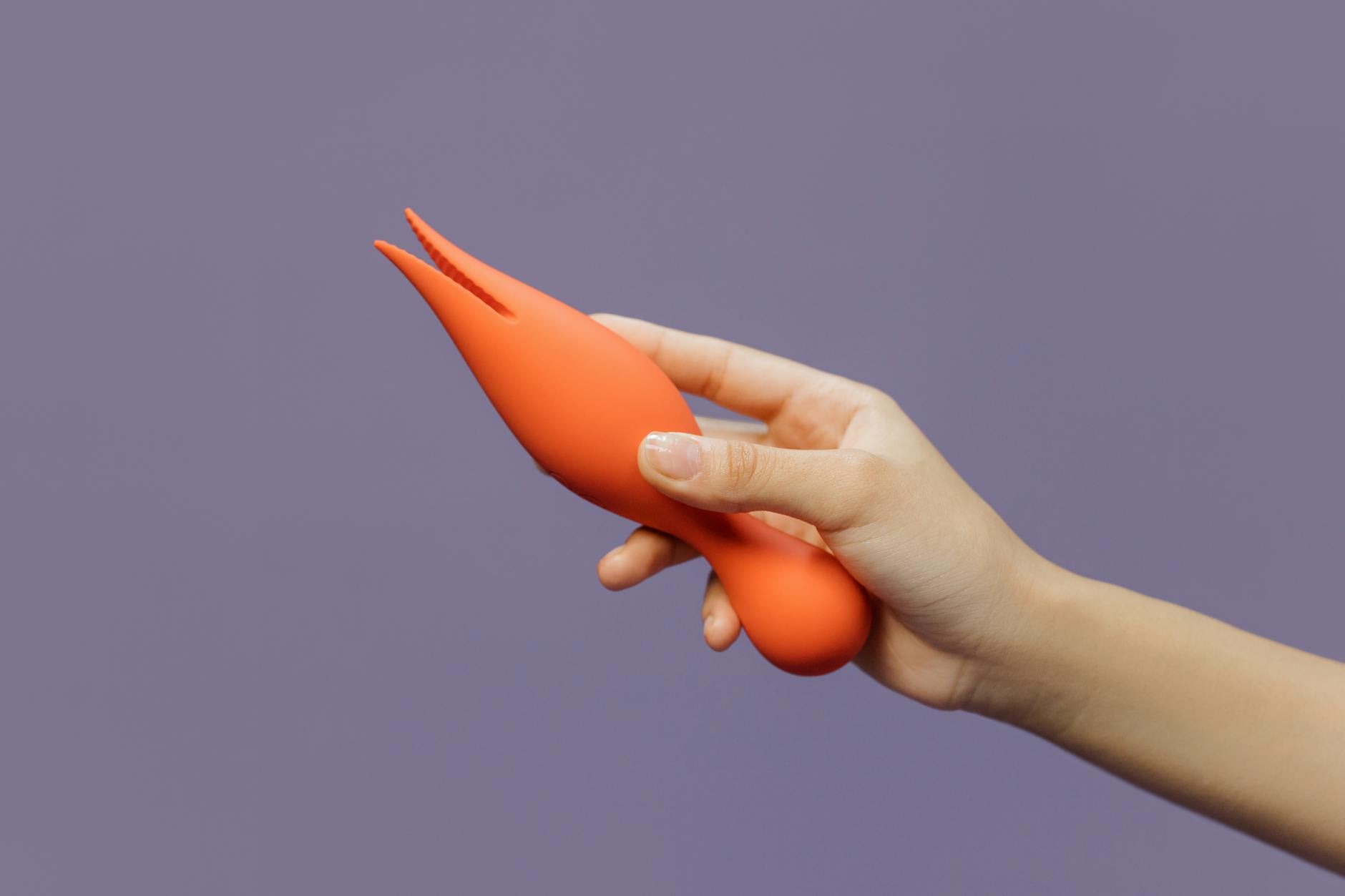
Not all vibrators are created equal when your skin reacts to everything. Here's why material choice matters, and which lemon clitoral vibrators actually work for sensitive bodies.
If your skin reacts to pretty much everything, you already know the frustration. You read the label, buy the "hypoallergenic" version, and still end up with irritation, redness, or worse. Sex toys? That's another layer entirely. The last thing you want during intimate time is to spend it worrying about a reaction.
Here's the honest part: most vibrators on the market aren't body-safe. They're made from porous materials, contain phthalates, or use coatings that flake off into your body. For someone with sensitive skin, that's not just uncomfortable. It's a genuine barrier to pleasure.
Let's talk about what actually works and why lemon vibrators, made from premium silicone, are a genuinely smart choice for sensitive bodies.
Your skin is your body's largest organ, and the tissue in your genital area is even more delicate than the skin on your face. It absorbs things faster, reacts stronger, and has fewer protective barriers.
When you use a vibrator made from low-grade silicone, jelly rubber, or PVC, you're exposing sensitive tissue to chemicals that can cause irritation, allergic reactions, or long-term sensitization. Some people don't notice immediately. Others end up with raw, inflamed tissue that takes weeks to heal.
That's why material choice isn't a luxury consideration. It's foundational to safe, sustainable pleasure.
The term "body-safe" gets thrown around, but here's what it should mean: non-porous, non-toxic, and free of phthalates or other endocrine disruptors.
Non-porous means bacteria and viruses can't hide in microscopic grooves. You can clean it thoroughly and trust that it's clean. Porous materials, like jelly or some rubbers, trap bacteria no matter how well you wash them.
Non-toxic means it doesn't leach chemicals into your body. Medical-grade silicone, stainless steel, and borosilicate glass meet this standard. Most everything else doesn't.
Free of phthalates is the third pillar. Phthalates are softeners used in cheap plastics and rubbers to make them flexible. They've been linked to hormone disruption, and they're especially problematic for sensitive systems. Quality lemon clitoral vibrators are phthalate-free by design.
Lemon-shaped vibrators are almost exclusively made from premium silicone. This isn't accidental. The compact, smooth shape lends itself well to high-quality materials, and brands that invest in that design typically invest in material integrity too.
Premium silicone is hypoallergenic, non-porous, and chemically inert. It doesn't react with your body. It doesn't absorb fluids. It doesn't harbor bacteria. You can clean it with soap and water, boil it if needed, and feel genuinely confident it's clean.
For sensitive skin, that peace of mind is half the benefit.
Not all silicone is created equal. There's medical-grade silicone, food-grade silicone, and cheap silicone that's silicone in name only.
Look for these markers when choosing a lemon vibrator:
Medical-grade or body-safe certification. The brand should state this clearly. If they're cagey about materials, that's a red flag.
100% silicone construction. No plastic coating, no jelly cover, no mystery materials. Just silicone, top to bottom.
Phthalate-free statement. Many premium brands list this explicitly because it matters to their customers.
Water-based compatible. Premium silicone lemon vibrators work beautifully with water-based lubricant, which is crucial for sensitive bodies. Silicone-based lubes can degrade silicone over time.
Clear company sourcing. Brands that care about quality can tell you where their silicone comes from and how it's manufactured. This isn't paranoia. It's due diligence.
You'll find cheaper vibrators made from jelly rubber, PVC, or soft plastics. They feel nice initially, which is why they're popular. But here's what happens.
Jelly rubber is porous by nature. It absorbs bacteria, body fluids, and lubricant into its structure. No amount of washing removes it completely. Over time, it degrades, becomes sticky, and starts to smell. For sensitive skin, it's basically a bacterial incubator.
PVC is often used in cheap vibrators because it's flexible and affordable. The problem: it typically contains phthalates and other plasticizers that leach into your body during use. Studies have linked phthalate exposure to allergic reactions, hormone disruption, and skin sensitization.
Rubber alternatives might be phthalate-free, but they're still porous and still prone to degradation. They're not a safer choice. They're just a different shade of problematic.
If you're using a premium silicone lemon vibrator, your lubricant choice matters just as much as the vibrator itself.
Water-based lubricant is your go-to. It's compatible with silicone, it washes off easily, and it doesn't introduce extra chemicals into sensitive tissue. Look for lubes that are glycerin-free if you're prone to yeast infections, or hypoallergenic if your skin is reactive to fragrance or additives.
Oil-based lubes? Avoid them. They can degrade silicone over time and trap bacteria against your skin.
Silicone-based lubes work with silicone vibrators, but they can create a slick buildup on the toy that's harder to clean. If you do use silicone lube, wash the vibrator thoroughly with soap and hot water afterward.
Honestly, for sensitive skin, stick with water-based. The cleanup is easier, the toy lasts longer, and there's zero guessing about what chemicals you're introducing into your body.
Your cleaning routine matters as much as the toy itself.
Before first use, wash your silicone lemon vibrator with warm soapy water and dry it completely. This removes any residual dust or manufacturing byproducts.
After each use, wash it again. Warm water and a gentle soap are fine. Pat dry and store it in a clean, dry place. You don't need special toy cleaner unless you want to. Soap works beautifully on silicone.
Once a month, you can boil it for five minutes to deep-clean it completely. This isn't necessary, but it can feel reassuring if your skin is very reactive.
Store your lemon vibrator away from direct sunlight and extreme heat. Silicone is stable, but prolonged sun exposure can slightly degrade it over time.
If you notice irritation, redness, or any unusual reaction even with a body-safe toy, see a dermatologist or gynecologist. Sometimes sensitivity isn't about the toy. It's about a yeast infection, a skin condition, or an allergy to something in your lubricant.
A medical professional can help you identify the culprit and rule out anything serious. Don't assume it's the toy and give up. Usually it's something simple to fix once you know what you're dealing with.
There's something I've observed after years working with couples navigating intimacy: when people feel safe in their bodies, they relax. And when they relax, pleasure actually becomes possible.
If you're spending the experience worried about irritation or reaction, you're not present. Your nervous system is on alert instead of opening up to sensation. That's not a small thing. That's the difference between enjoyable and transcendent.
Choosing a lemon clitoral vibrator made from premium, body-safe silicone is an investment in that safety. It's permission to stop worrying and start feeling.
The Lem vibrator is made from 100% medical-grade silicone, is phthalate-free, and hypoallergenic. It's specifically designed for bodies that react to standard toys. Its smooth, sealed surface means zero porous areas where bacteria can hide, and its simple design eliminates unnecessary materials that might irritate.
True silicone allergies are extremely rare. If you're reacting to a silicone vibrator, it's usually not the silicone itself. It's more likely a lubricant, a fragrance additive, or bacteria from a porous toy masquerading as silicone. Medical-grade silicone is inert and doesn't trigger reactions in the vast majority of people. If you do suspect a genuine silicone allergy, a dermatologist can test you.
Yes, it's safe to use a high-quality silicone lemon vibrator daily. The material doesn't degrade from normal use, and it won't develop a tolerance issue like some medications do. Your body won't "get used to" the vibration. Just clean it regularly and use water-based lube.
Both are body-safe, but medical-grade is tested and certified for internal body use, while food-grade is tested for food contact. For sex toys, medical-grade is the standard because it's been evaluated for safety in intimate use. Food-grade works fine too, but medical-grade gives you the extra assurance that it's been specifically vetted for this purpose.
Maybe, but it depends on your specific condition and sensitivity level. Medical-grade silicone is gentler than alternatives, but even silicone can irritate inflamed tissue. Talk to your gynecologist before using any vibrator if you have a diagnosed condition. Some people find that gentle air-suction stimulation is less irritating than vibration.
A reputable brand will state the material clearly on the product page and packaging. If they're vague, ask customer service directly. Legitimate companies have nothing to hide. They'll tell you the silicone grade, whether it's phthalate-free, and provide care instructions. If a brand won't answer these questions, that's your signal to shop elsewhere.
Sensitive skin doesn't mean you have to settle for less pleasure or compromise on safety. It means being intentional about what you bring into your body. A lemon vibrator made from premium silicone is one of the smartest choices you can make. It's designed to be gentle, it's built to last, and it takes the guesswork out of body safety. Your pleasure matters. So does your skin.