How Lemon Vibrators Help Couples Rebuild Intimacy After Conflict
When a fight or rupture leaves you both hesitant to touch, rediscovering pleasure together is how you actually heal. Here's the science and the strategy.
After a serious fight or betrayal, touch feels dangerous. Your nervous system has flagged your partner as a threat, and that's not drama or judgment. That's your body doing what it's supposed to do. Physical reconnection doesn't happen through willpower or talking it out. It happens when both of you feel safe enough to be vulnerable again.
This is where a lot of couples get stuck. They assume they need to fix everything emotionally first, then pleasure comes after. That's backwards. Pleasure is part of the fix.
I work with couples who've gone through ruptures. Infidelity, unmet needs, betrayed trust. The ones who recover fastest aren't the ones who process perfectly in therapy. They're the ones who figure out how to touch again, intentionally, without the weight of resentment crushing every moment.
Here's what happens neurologically. When you're in conflict, your nervous system is sympathetic. Fight or flight. Touch feels like a threat because it requires vulnerability. When you deliberately create moments of pleasure together, even awkwardly at first, you shift into parasympathetic activation. Rest and digest. Safety.
The more pleasure you generate together, the more your brain associates your partner with safety again, not threat. That's not therapy jargon. That's biology.
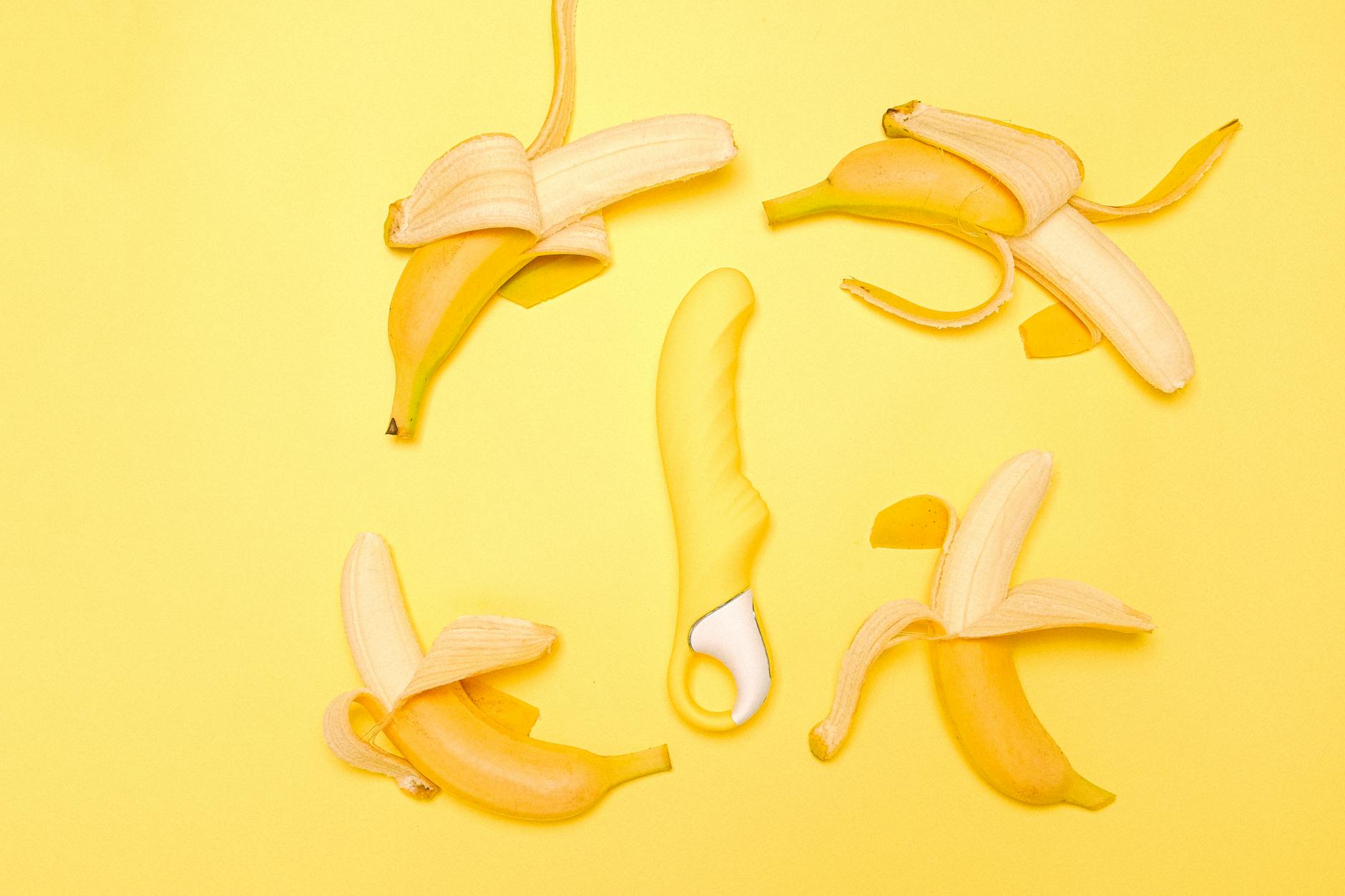
You're not trying to have the hottest sex you've ever had. You're not trying to "fix things" with your body. You're exploring sensation together as a neutral activity. This is where lemon vibrators become useful tools instead of loaded symbols.
A lemon clitoral vibrator like the Lem gives the receiving partner complete control. That matters after conflict. You set the speed, the pressure, the rhythm. Your partner isn't doing something to you. You're both investigating what feels good right now, in this moment. The person watching learns something about their partner's body. The person receiving practices receiving without shame.
Stage Two is regulation.
Once curiosity has opened the door, the next phase is about using shared pleasure to regulate your nervous systems together. This is where intensity matters less than consistency. Running the Lem at pattern 1 or 2 for fifteen minutes straight, with your partner present, touching you nonsexually elsewhere, changes your window of tolerance. It teaches your brain that they're safe again.
Many couples tell me that the first orgasm they have together after a rupture feels different. Sometimes lighter. Sometimes more intense. The partner who's not receiving often reports that watching pleasure return to their partner's face is the moment they actually believe the relationship isn't broken.
Stage Three is integration.
Once you've rebuilt the basic nervous system connection, you can start building pleasure that's actually about intimacy again, not just repair. This looks like anything that works for your bodies. Sometimes it's using the lemon vibrator together during partner sex. Sometimes it's simply that touch feels safe again.
There are better vibrators if you want raw power. There are cheaper ones if price is the only consideration. Lemon clitoral vibrators work for relationship rebuild for three specific reasons.
First, the design is inherently non-threatening. They look like something you'd squeeze. They feel more like a massage than an invasion. After conflict, this matters. A vibrator that feels industrial or aggressive can keep your nervous system in hypervigilance. The Lem's shape and material feel almost organic. It signals safety to the part of your brain that's still on guard.
Second, the suction technology means the receiving partner stays in control. With traditional vibrators, penetration or intense vibration can feel like something is being done to you. Suction stimulates rather than penetrates. The receiving partner can press harder to intensify or ease off instantly. That level of agency is crucial when you're rebuilding trust.
Third, lemon sexual toys have zero association with performance. They're not tied to duration or reaching a goal. They're not framed as something you need to "do right." They're simply tools for sensation. That neutrality lets couples use them without the pressure that usually accompanies sex after a fight.
The first conversation is not about the vibrator. It's about curiosity. You say something like, "I want to feel close to you again, and I think we need a different way to start. Would you be interested in exploring that together?"
That's it. You're not promising it will fix everything. You're not making it weird. You're naming what you both know: you need to rebuild.
If both people are in, the first session looks like this. You set aside twenty minutes. No phones. You take off clothes if that feels right, or you don't. The receiving partner gets comfortable. The giving partner sits nearby. You start at the lowest intensity and you're not trying to reach an orgasm. You're noticing sensation. That's the entire job.
Many couples report that the first time is clumsy or takes longer than expected. That's not a failure. That's you learning your way back into your body with this person. The second time is easier. By the third or fourth time, something shifts. Pleasure starts to feel possible again.
Some couples want solo pleasure with a lemon vibrator to rebuild their own baseline first. That's valid. You can't feel safe with a partner if you don't feel safe in your own body.
Others find that having a partner present from the beginning makes it feel more mutual. Less like one person is "broken" and needs fixing.
There's no right way. What matters is that you're communicating about what you need and checking in honestly about what feels okay. If something doesn't feel right, you pause. You don't push through discomfort in hopes it will turn into comfort. That's a good rule for all sex, but it's essential after rupture.
Here's what I've noticed after years of working with couples in repair. The ones who heal fastest are the ones willing to say, "I want you. I'm still scared, but I want you." Not perfectly, not without doubt. Just honestly.
Using lemon clitoral vibrators together gives you a structure for that honesty. You're not having to perform sexuality while you're also managing fear and anger. You're simply present with each other, curious about sensation, rebuilding the nervous system connection that conflict damaged.
Trust returns slowly. But pleasure, even cautious pleasure, is how you know you're getting there.
If the rupture was recent or severe, don't skip therapy. A good couples therapist does things a vibrator never can. But recognize that pleasure and therapy work together. They're not competing paths. They're different languages for the same conversation: "I want to be close to you again."
Infidelity is a specific kind of rupture because it challenges safety and exclusivity at once. Using a lemon vibrator together won't erase the betrayal, but it can signal that both partners are willing to rebuild physical intimacy. That willingness matters. It's not forgiveness. It's commitment to the process. The vibrator is just the tool that helps you stay present without the weight of all the other conversations.
Then you don't force it. Readiness is individual. One person might need three weeks of processing. Another might need three months. If there's a significant mismatch, that's worth exploring with a therapist, because it might point to a deeper question about whether both people actually want to repair. Pleasure can't bridge a gap when one person is genuinely done.
It feels weird the first time. Everything new feels weird. You can start with the vibrator as a solo experience to get comfortable with it, then introduce it as a partner activity. Or you can jump in together. Either way, awkwardness is normal and not a sign you're doing something wrong. Couples who have the best sex lives are usually the ones most willing to be awkward together.
You're using it wrong if someone's in pain, if someone feels pressured, or if it's being used to avoid the actual conversation. You're using it right if both people feel curious, present, and safe. The technical mechanics matter far less than the nervous system state you're in.
Clitoral vibrators like the Lem are designed specifically for external stimulation. You don't need penetration to have meaningful pleasure or to rebuild intimacy. For couples rebuilding after conflict, clitoral focus can actually feel safer because there's no sense of intrusion. Many couples find that starting with clitoral pleasure first makes the eventual return to any form of sex feel less loaded.
Then the rupture might be deeper than pleasure can address alone. That doesn't mean the vibrator was a waste. It means you need additional support. A couples therapist, a deeper conversation about what the original conflict was really about, maybe some individual therapy. Pleasure is powerful, but it's not a substitute for addressing the actual breach of trust or connection.
I've sat with couples on the edge of separation, convinced their relationship was over. The ones who came back were rarely the ones who had the perfect therapy breakthrough. They were the ones who decided to touch again, to be vulnerable again, to rebuild pleasure together step by step.
Lemon vibrators don't heal relationships. You do. They're just tools that make it easier to stay present, to regulate your nervous system, and to remind your body that this person is safe. Use them that way and you might be surprised what becomes possible again.