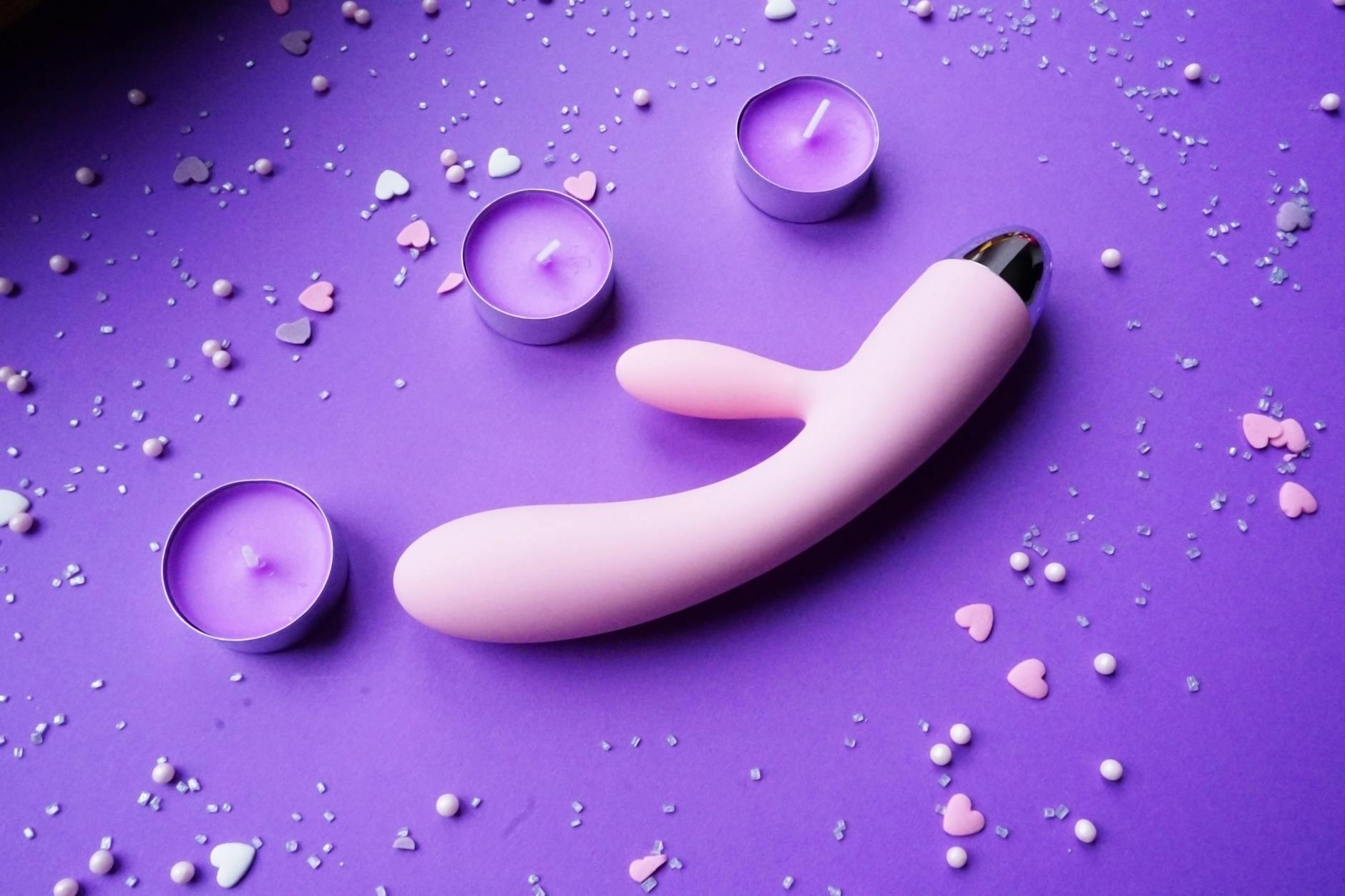
Why Lemon Vibrators Feel Different When You Have a Hormonal IUD
Your body's response to stimulation shifts on a hormonal IUD. Here's what to expect, why it happens, and how to make your lemon adult toys work for you.
You get a hormonal IUD inserted, and suddenly your body feels like it's running a different operating system. Your lemon clitoral vibrator, which used to deliver consistent results, now feels either too gentle or weirdly intense. You're not imagining it. Your nervous system actually has changed, and the way synthetic hormones (usually levonorgestrel) are released directly into your uterus affects nerve sensitivity, blood flow, and how your brain processes pleasure signals.
A hormonal IUD doesn't just prevent pregnancy. It's a low-dose progestin delivery system that sits in your uterus and changes the entire hormonal environment in your pelvis. Unlike the hormonal changes that come with birth control pills, which saturate your whole bloodstream, an IUD releases hormones directly into the local tissue.
This matters because the nerve pathways that carry pleasure signals run through your pelvis. When synthetic hormones are flooding that exact area, your nerves behave differently. Some people experience heightened sensation for the first 3-6 months (a honeymoon phase). Others find stimulation feels muted or oddly dissociated. And plenty experience both, depending on where they are in their cycle and how their individual body metabolizes the hormone dose.
Your clitoris still works. Your orgasm capacity is still there. But the voltage at which your nervous system fires has shifted, and that changes everything about how a lemon vibrator feels against your skin.
About 40 percent of people report heightened sensation immediately after IUD insertion. This is often thrilling at first. Your lemon sucker might feel noticeably more intense, and you might orgasm faster or more powerfully. This is real, and it's not a glitch. Your nervous system is responding to the sudden shift in local hormone concentration. The caveat: this effect usually plateaus or reverses after 3-6 months as your body adapts to the new baseline.
A stretched or numb feeling during arousal.
Others experience the opposite. Arousal still builds, but it feels distant, like you're watching yourself get turned on rather than feeling it. This disconnection is classically linked to progestin's effect on blood flow and nerve sensitivity. It's frustrating because intellectually you want to be aroused, but the signal isn't reaching your brain with the usual clarity. Switching to a stronger setting on your lemon vibrator might help, or you might need to rebuild arousal through different sensations (texture, temperature, visual input) before returning to penetrative stimulation.
Orgasms that feel shallower or more localized.
Many people report that their whole-body orgasms flatten into something more localized to the clitoris. This isn't worse, just different. Some find it actually easier to reach orgasm consistently because the target is smaller and the sensation is more direct. Others miss the full-body release they used to have. If you're in the second camp, longer warm-up time and using your lemon sexual toy at mid-to-high intensity for longer periods can help recruit the surrounding nerves and deepen the experience.
Before your IUD, you might have used pattern 3 or 4 on your device comfortably. Now, the same setting feels either underwhelming or almost aggressive. This isn't about the toy changing. It's about the density of nerve firing and blood flow in your clitoris.
Synthetic progestin slightly reduces blood flow to the clitoris and vulva compared to the body's natural estrogen-dominant phase. Less blood flow means less engorgement, which means less nerve density activation. So you often need either sustained pressure, longer stimulation time, or higher intensity to reach the same threshold.
That said, some people swing the other way. If you're in the 30-40 percent who experience heightened sensitivity post-insertion, setting 2 might suddenly feel like setting 5. This usually settles down, but in the meantime, understanding that your body hasn't broken and your lemon clitoral vibrator hasn't failed is half the battle.
If you're using your lemon vibrator with a partner, the IUD itself can introduce friction you weren't expecting. Not physically—the IUD is small and tucked high—but emotionally. A lot of partners worry that reduced desire or sensation means the other person is less attracted to them. And some people with IUDs feel guilty about needing a toy to reach orgasm when previously they didn't.
Neither of these stories is true. A hormonal IUD is a medical device that alters your neurobiology. Using a lemon adult toy to bridge that gap is pure pragmatism, not a rejection of intimacy. The clearest conversation to have is: "My body feels different with the IUD. I'm still interested in sex with you. I just need a slightly different approach for now. Let's figure this out together."
Then actually figure it out. Maybe that means using your lemon sucker during partnered sex. Maybe it means longer foreplay. Maybe it means tracking when you feel most responsive (often right after your period, when estrogen briefly rises even on an IUD) and planning sex around that. The tool itself is less important than the willingness to adapt.
Weeks 1-2 after insertion are often marked by cramping, spotting, and lower libido. Your body is in micro-trauma mode. This isn't the moment to test your lemon vibrator. Wait until the acute inflammation settles.
Weeks 3-12 is when sensation changes become noticeable. Some people feel electric. Others feel muted. Both are normal. Your nervous system is recalibrating. Keep a light mental note of how intensity settings feel, but don't overhaul your entire approach yet.
Months 4-6 is the stabilization phase. Your hormonal baseline has shifted, your uterus has stopped rebelling, and you're getting a true read on what your new pleasure baseline is. This is when you can reliably adjust your lemon vibrator technique or intensity settings.
Month 6 onward is your new normal. If you're still experiencing significant numbness or dissociation, it might be worth checking in with your doctor. Some hormonal IUDs (Mirena, for instance) release a higher dose than others (Skyla, Kyleena, Liletta). A switch might help. Alternatively, some people find that their body fully adapts and sensation returns by month 9-12.
Start with duration. If you've always used your lemon clitoral vibrator for 3-5 minutes, try 8-12. The longer sustained pressure can help recruit more nerve involvement and deepen sensation.
Experiment with patterns. The pulsing patterns on lemon sexual toys are often more effective than constant vibration when sensation feels muted. Pattern 1 or 2 might suddenly deliver more usable pleasure than the highest steady setting.
Add texture. Your body's response to suction (which is how lemon vibrators work) might shift, but your response to other sensations might sharpen. Layer in a textured toy, or switch between your lemon sucker and something with a different sensation profile.
Time it strategically. Even on a hormonal IUD, you're not completely hormonally flat. You still have an estrogen peak mid-cycle, even if it's muted. Initiating sex around day 12-14 of your cycle (if you still bleed) might feel noticeably different from day 24.
Check in with your doctor if numbness persists past month 6, or if you've developed pain where there wasn't any before. Sometimes the IUD position is slightly off, or your body is reacting to the hormone dose in a way that warrants a switch to a different method.
Your body isn't broken. Your lemon vibrator isn't suddenly useless. What's changed is your nervous system's baseline, and that's exactly the kind of thing you can adapt to with curiosity instead of frustration. Plenty of people on hormonal IUDs find that once they adjust their expectations and technique, their pleasure is just as rich—sometimes richer—than before, because they've had to get more intentional about what actually works.
No. When you remove a hormonal IUD, your body returns to its previous hormonal baseline within a few weeks. Your pleasure response rebounds. That said, the first few months post-removal can feel like adjustment again, so patience applies there too.
Some people experience a significant dip in libido in the first 2-3 months. This usually improves. If it hasn't improved by month 6, and it's affecting your quality of life, mention it to your doctor. There are other options, and you deserve to feel like yourself.
Not necessarily. Discomfort during use in the first few weeks is often inflammation-related, not pleasure-related. Wait until week 3-4 to resume. If discomfort persists past month 2, check with your doctor to rule out infection or IUD malposition.
Sometimes the strings are positioned where they brush against the tip of a penis during penetration. This is rare and usually settles as the strings curl or soften with time. If it's persistent and uncomfortable, your doctor can trim the strings slightly.