A vaginal tear, perineal trauma, or significant injury fundamentally rewires how your body responds to touch. The scar tissue, nerve sensitivity, and psychological weight of the experience all compound the physical healing. Most conversations about post-tear recovery stop at "it will heal in six weeks" or "talk to your doctor." Those are true. But they don't address what comes after the tissue heals. Because physical healing and sensory confidence are two completely different timelines.
A standard bullet vibrator or wand uses continuous mechanical vibration. It works on friction and pressure. After perineal trauma, both of those feel threatening to your nervous system. Your body has learned that that area isn't safe yet. Direct vibration can feel too intense, too sharp, or triggering even if it doesn't hurt physically.
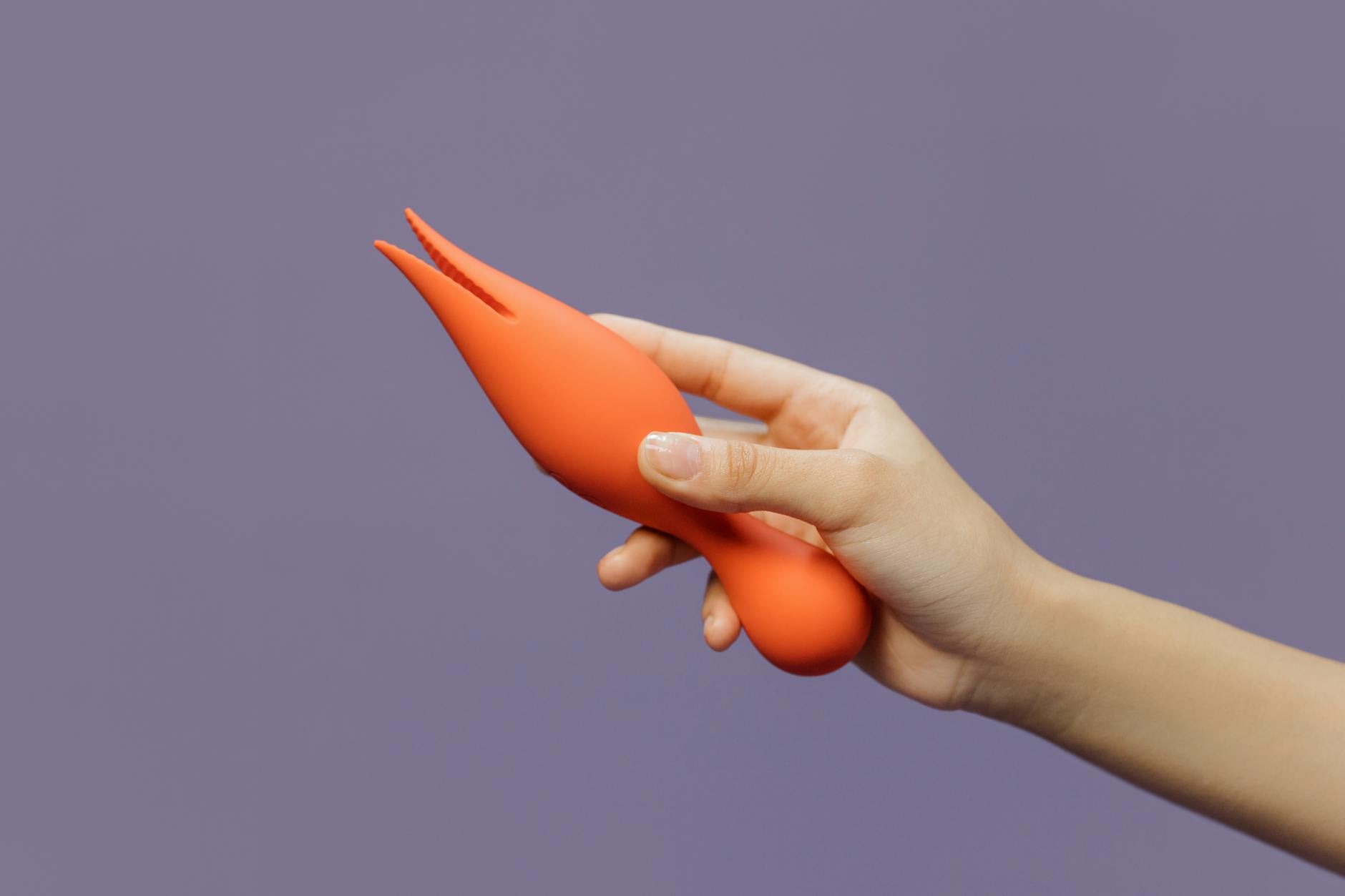
The Lemon Toys suction vibrators use air-pulse stimulation instead. The mechanism is fundamentally different. Rather than vibrating against tissue, suction gently draws the clitoris upward in a rhythmic pulse. It's indirect, non-invasive, and distributes sensation across a broader area rather than focusing pressure on a single point. For someone rebuilding confidence after trauma, that distinction matters massively.
Your nervous system went through shock. Whether the tear happened during childbirth, sexual trauma, or medical incident, your vagina learned to contract protectively. Gentle air-pulse stimulation doesn't trigger that protective response the way direct vibration does.
Think of it like the difference between someone tapping your shoulder and someone putting a hand on your arm. One feels surprising and activating. The other feels grounding. Lemon clitoral vibrators sit closer to the second category. The suction pattern is rhythmic but predictable, which helps your nervous system relax into the sensation rather than bracing against it.
Many of my clients report that they can tolerate 10-15 minutes of air-pulse stimulation within weeks of starting to use lemon vibrators, whereas direct vibration still feels too intense at that same stage in recovery.
Here's what actually happens over the first few months post-injury.
Weeks 1-4: Numbness is normal. Pain medication, swelling, and nerve disruption mean you might feel almost nothing. This is fine. Don't use anything yet.
Weeks 5-8: Sensation begins to return, but it feels weird. Itchy, tingly, numb in patches. Your body is re-mapping the area. This is when lemon vibrators become useful. Starting on the lowest settings (patterns 1 or 2) helps signal to your nervous system that sensation is returning and that it's safe.
Weeks 9-16: Sensitivity increases. Some people experience hypersensitivity where even light touch feels too intense. Others find that sensation is returning unevenly. Lemon vibrators let you control intensity in a way you can't with a partner's hand, which gives you autonomy over the pace of re-engagement.
Month 4 onward: For many people, this is when arousal begins to normalize. The scar tissue has integrated, the nervous system has started to decondition the protective response, and the idea of pleasure becomes possible again rather than theoretical.
I'm not being cautious when I say this. If you're recovering from perineal trauma, your first experience with a toy during recovery should be nothing. Just looking at it. Thinking about what it represents. Maybe holding it without turning it on.
The second session might be turning it on and feeling the sensation on your arm or hand first. Getting familiar with the vibration without it being near the injured area.
The third session might be using it on the lowest setting, externally only, for literally 2-3 minutes. Then stopping.
This isn't about being afraid. It's about teaching your nervous system that sensation equals safety, not threat. Each small exposure without pain rewires the neural pathway that got disrupted during the initial injury. It's how nervous systems actually heal.
If you have a partner, they're often anxious too. There's shame about the injury, fear of causing pain, uncertainty about what's even possible now. Introducing a lemon vibrator into the recovery process can actually reduce pressure on both of you.
You get to control intensity without relying on verbal cues that might feel awkward. Your partner gets to participate in your pleasure without being the one managing the stimulation. And both of you get a clear, tangible sign that healing is happening. It shifts the narrative from "we're avoiding sex because something broke" to "we're using tools that work with how your body is healing right now."
Many couples tell me that introducing lemon clitoral vibrators during recovery actually restored intimacy faster than waiting for penetration to feel comfortable again. Because you're not waiting. You're actively building new associations with pleasure, with that part of your body, and with being desired.
Your healthcare provider will clear you for sexual activity at a certain point, but that doesn't mean your nervous system is ready for traditional stimulation. Watch for these signals instead.
You can sit for 30 minutes without pain. You can walk a mile without discomfort. You've had a period without bleeding heavily. You can wear normal underwear without irritation. Your healthcare provider has confirmed the scar tissue is integrated.
Even with all those boxes checked, starting with air-pulse stimulation on the lowest setting is the gentlest possible next step. You're not racing toward anything. You're gathering data about what your body enjoys now.
After perineal trauma, orgasm often feels different. Not worse. Just different. Some people report that orgasms are more concentrated or less intense than before. Others find they need more time to build arousal. Many discover they prefer external-only stimulation for months or even indefinitely.
None of these changes are permanent or bad. They're your nervous system's way of protecting you while it heals. And they often shift again over time. A lemon vibrator that works perfectly for you at month 3 of recovery might feel very different at month 8. That's normal.
The advantage of air-pulse stimulation is that it gives you a tool that adapts to wherever you are in that healing timeline without requiring conversation with a partner or shame about what you're using. It's portable, predictable, and completely under your control.
If pain reappears during or after using any toy, stop immediately and tell your healthcare provider. If you notice new swelling, discharge, or signs of infection, that's urgent. If your pelvic floor is still extremely tense or you're experiencing ongoing pain with touch, pelvic floor physical therapy might help alongside toy use.
What shouldn't happen: You shouldn't feel like you need to rush back to your "normal" sex life. Perineal trauma is real, and the nervous system takes time to settle. Using lemon vibrators gives you permission to explore pleasure on your own timeline, at your own pace, without external pressure.
No. Wait until your healthcare provider confirms the wound is closed and healed. Using any toy while stitches are present risks infection and causing new injury. Typically this is 4-6 weeks post-injury, but confirm with your doctor based on your specific situation.
No. Gentle external suction stimulation doesn't apply directional tension to scar tissue. It works on the principle of rhythmic suction and release, which is completely different from the pulling or stretching that might damage healing tissue.
If you feel pain, stop. If you notice swelling afterward, you went too hard. If sensation feels good but not intense, you're probably at the right level. Start at pattern 1 on your lemon vibrator and move up only if you want more sensation, not because you feel like you should.
Yes, but use medical-grade or water-based only. Avoid anything with alcohol, fragrance, or petroleum. Water-based lube is safest because it's gentle on healing tissue and won't damage silicone toys. Many people find that lube reduces sensitivity of scars in the early healing phase, so some stimulation might feel more comfortable.
Completely normal. Swelling, scar tissue, and nerve disruption all reduce sensation. Keep the expectations low and the sessions short. You're not trying to have an orgasm. You're reintroducing your nervous system to gentle sensation. That's the whole goal.
Every recovery timeline is different. Some people are back to their pre-injury sensitivity in 3-4 months. Others take 6-12 months. And some find their pleasure preferences have shifted permanently, which is fine. There's no "right" amount of time. You're done when your body tells you it's ready, not when you think it should be.
Perineal trauma changes the story you tell yourself about your body. Using a tool like a lemon vibrator during recovery isn't about rushing back to normal. It's about deliberately building new associations with sensation, pleasure, and safety in that part of your body. That's deep work. And it's absolutely worth the time it takes.
If you have questions about recovery or want to discuss your specific situation, reach out to The Lemon Toys community. We're here to help you move forward at your pace.